


One of Belgium’s biggest and most beloved cultural institutions is set to reopen this autumn after a four-year renovation. Design Museum Gent is showing off a brand-new wing and restored building from 3 to 11 October 2026, with a programme of activities across a free opening weekend and festival.
The relaunch offers a pre-party on 2 and 3 October, with exhibitions and performances, as well as creative workshops, a design and makers’ market, and a backyard brunch across a further nine days of events across the city as part of Design Fest Gent. Prospective visitors can discover the full programme here.
The four-year closure and €21-million-worth of works by Carmody Groarke with ATAMA and RE-ST have transformed the design museum, connecting its historic ensemble with the 21st century, a press release explains, as well as better connecting its atmospheric inner courtyard with the rest, to “fully function as a garden—the heart of the museum and a clear point of orientation,” officials say.
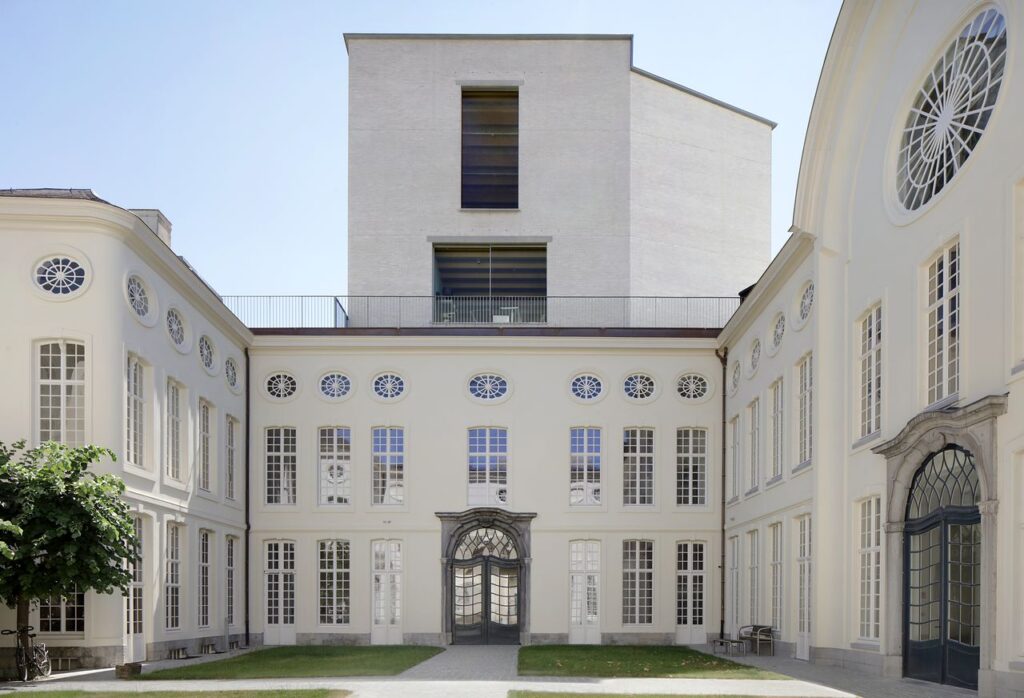
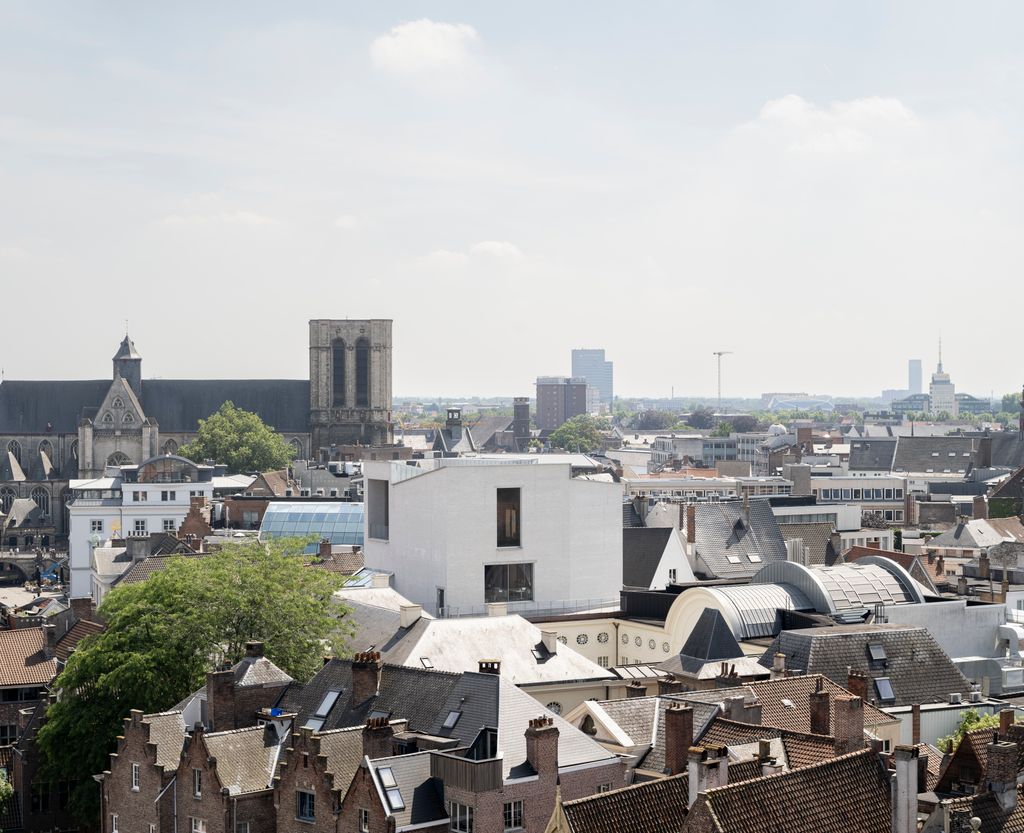
Constructed of timber and brick, the new wing introduces six zones, intended to be welcoming, open, and adaptable. At basement level, the art-handling area offers a glimpse into the museum’s daily behind-the-scenes work. From there, visitors move through the Stadskamer (reception and shop), the Forum (lecture space), the Atelier (workshops), and the Vitrine (temporary exhibitions), before arriving at the Loft on the fourth floor—a “generous event space with panoramic views over the city of Ghent,” the museum highlights.
Opening exhibitions include Models from the Past for the Future, curated by Evelien Bracke; Public Matter(s): Design and Democracy, curated by Amelie Klein and Vera Sacchetti; CO-LAB, curated by Siegrid Demyttenaere; and Searcher, an AI installation that explores links across the collection.
Visitors are invited to interact and engage with more than 24,000 objects, over 3,700 square metres of exhibition space, with about 500 in the new collection display. The new flow through the items and new wing are claimed to “complete the loop” of the visitor experience.
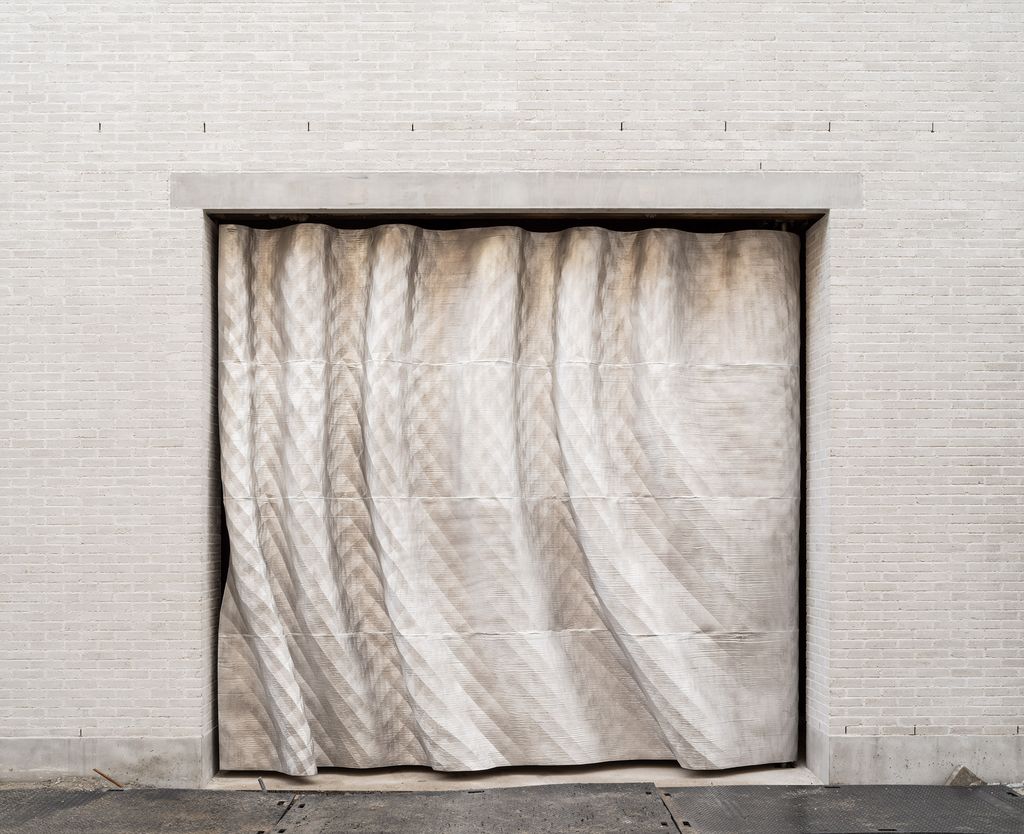
The museum’s evolution is also “circular” in terms of its green credentials. Its facade is made of Gent Waste Brick, a “lime-cured brick produced from locally sourced municipal waste” which does not need to be fired in kilns and boasts a significantly reduced environmental footprint. More than 82,000 of the bricks were produced locally at Het Arsenaal in Ghent, a process the people of Ghent could follow live—again leaning into interactive community principles.
“This expansion and renovation are not simply aimed at creating more museum space, but something that goes beyond the museum: a place where the community can collectively process and interpret reality,” director Katrien Laporte explained, as reported by Finestre sull’Arte.