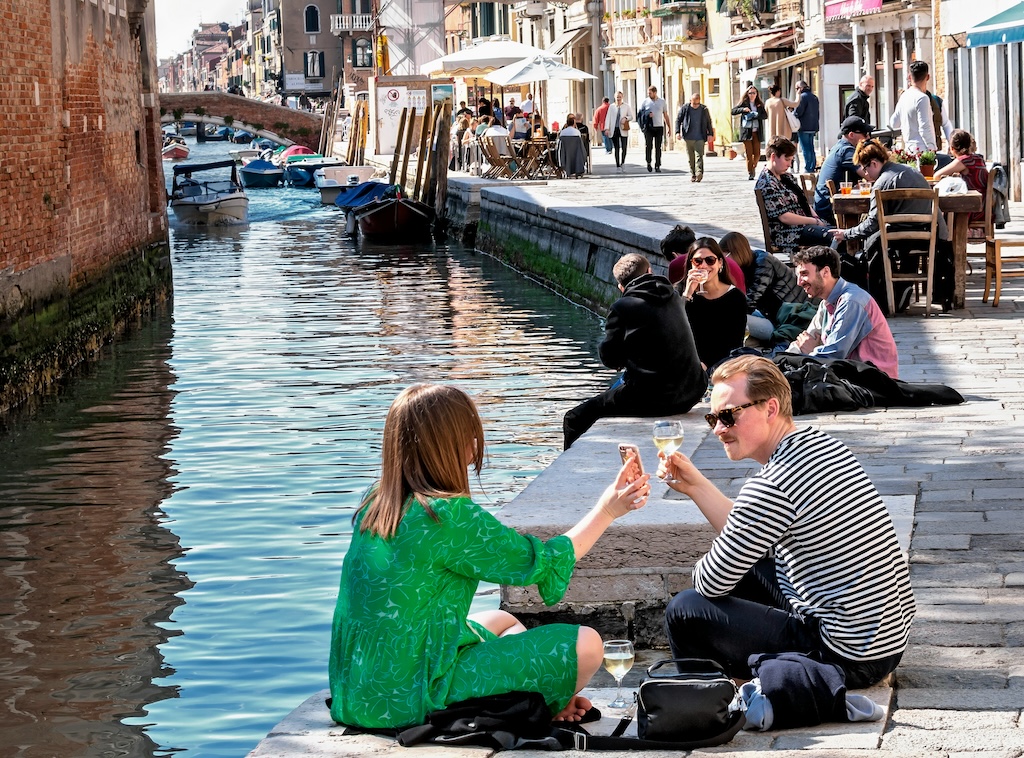


Venice is considering extending the period during which its tourist entry fee applies and raising the daily charge to as much as €30, according to local authorities.
Since introducing the measure in 2024, Venice has yet to find an effective way to combat overtourism in the city. Protesters have accused day-trippers of putting pressure on the city, while others point to overnight visitors. (Overnight visitors pay a separate tourist tax of between €1 and €5 per person per night.)
The city introduced a €5 entry fee on 29 peak days in 2024. It was extended to 54 days in 2025, when the charge was doubled for last-minute visitors, and then to a record 60 days this year.

Yet despite these adjustments, the measures have not delivered the results authorities had hoped for, prompting them to consider further changes to tackle overtourism and its impact on the city and its inhabitants.
Michele Zuin, Venice’s budget and taxation councillor, told regional daily Il Gazzettino that the current charges were too democratic to make a noticeable difference.
“The current €5-10 charge is affordable for virtually everyone”, he said, warning that the fee risked losing its intended deterrent effect.
Zuin added that the proposed 2027 pricing still needed to be discussed and agreed with the national government. He said there had even been talks of hiking the price up to €50 per person per day, although authorities could ultimately settle on a €30 cap.

Venice’s new mayor, Simone Venturini, appears to share Zuin’s concerns. He said in July that the current €10 fee had failed to deter enough visitors on peak days.
But instead of imposing a blanket increase, Venturini favours a dynamic pricing system that would allow the fee to rise with demand on the busiest days.
“We spend 100 million euros a year just to maintain Venice physically” said Venturini, pointing out that neither the European Union nor the Italian government contributes to that cost. International critics do not contribute either, he added.
“It’s paid by the people of Venice, and in part through tourism taxes.”
Venturini has long advocated raising both the price of the entry fee and the number of days on which it applies.
He was the city’s councillor for tourism and social cohesion in 2024 when the scheme was first introduced and told Reuters at the time that nobody expected day-trippers to “miraculously disappear” but that the measure “will be more effective in the coming years when we increase the number of days and lift the price”.
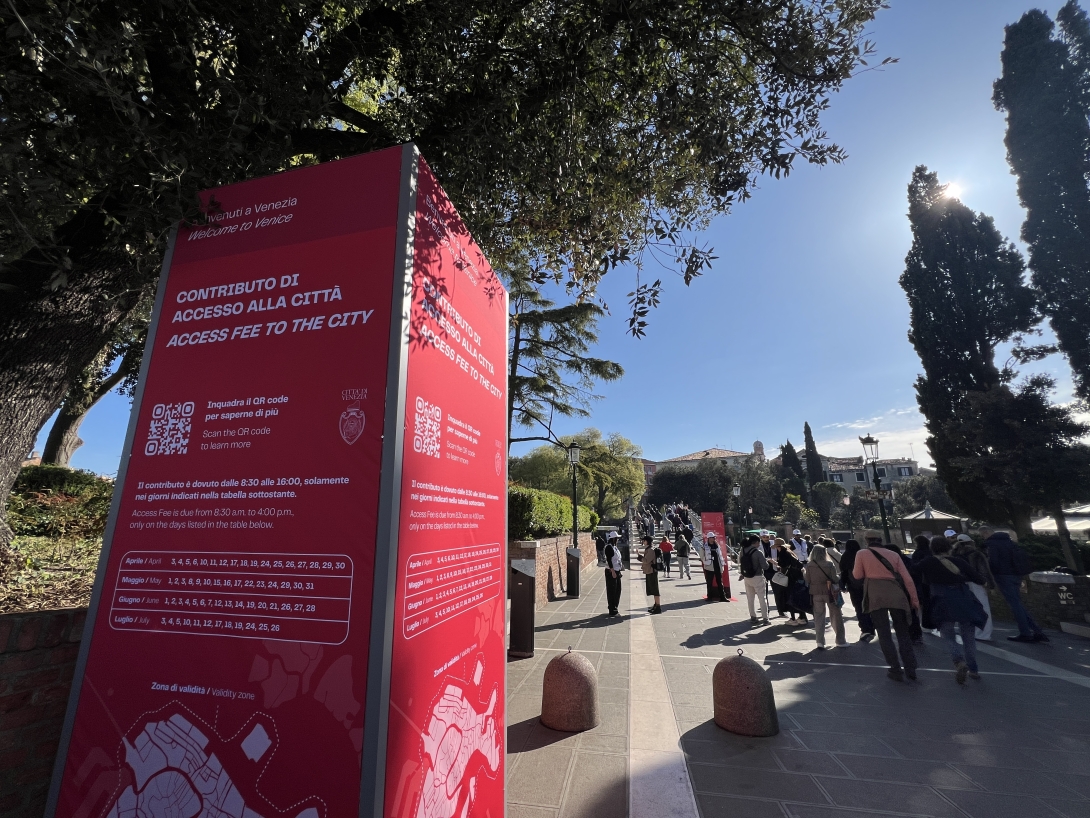
Three editions later, the 2026 trial generated more than €5.2 million through the sale of nearly 680,000 tickets, according to provisional municipal data. But the figures on its effectiveness as a deterrent paint a more nuanced picture.
An average of 11,326 tickets were sold per charging day in 2026, a 32.3% decline compared with 2024.
The number of exceptionally busy days also fell. In 2024, four days saw at least 20,000 paid entries, compared with three in 2025 and only one in 2026, even as the number of charging days more than doubled, from 29 to 60.
The municipality itself has cautioned that the figures remain provisional and require further analysis. Weather, public holidays and broader tourism demand will need to be taken into account before determining how much of the decline can be attributed to the entry fee.