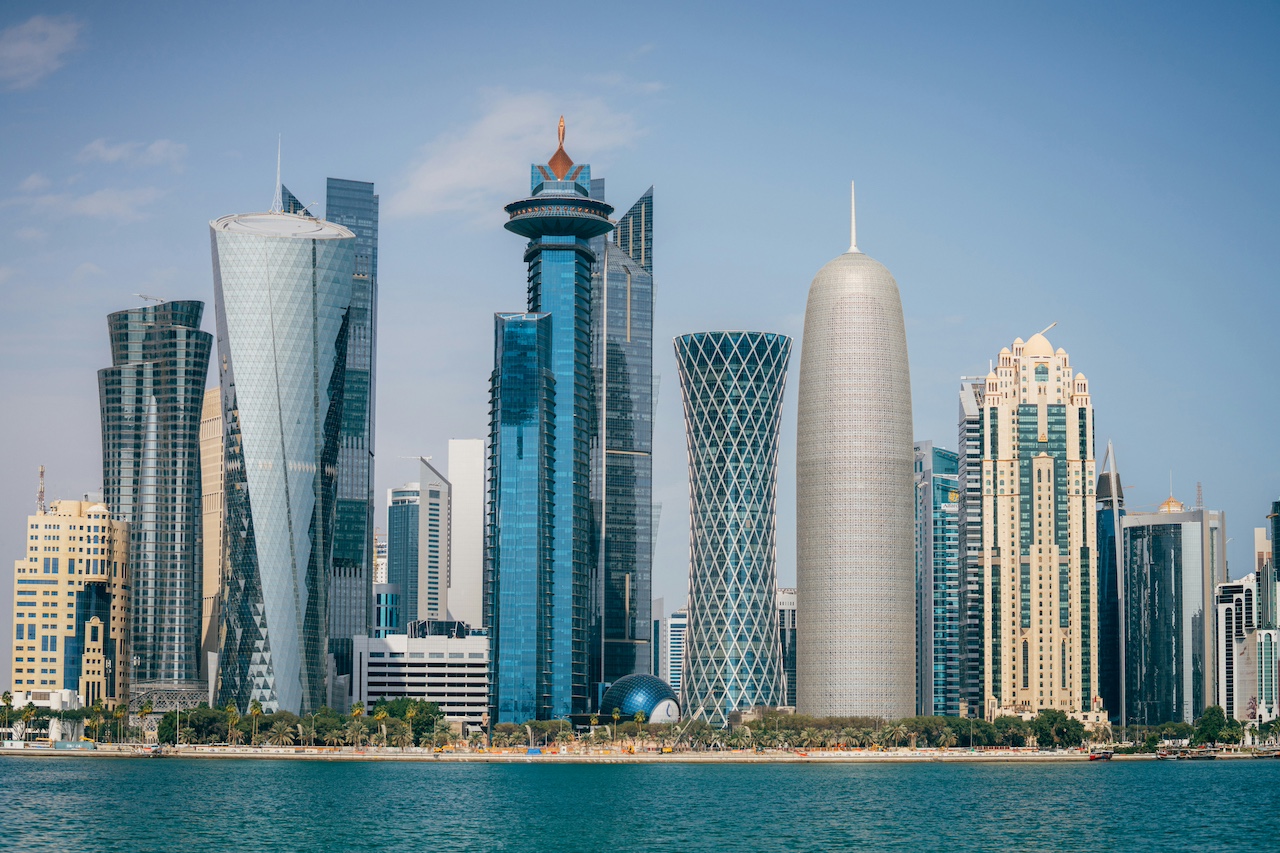



A 560-event programme running into 2027 is designed to turn post-World Cup infrastructure into a sustained tourism draw, even as travellers and airlines continue to navigate a volatile regional operating environment.
Qatar has unveiled a national events calendar spanning sports, cultural, entertainment and gastronomy across 2026 and 2027, as the country seeks to convert the visibility and infrastructure created for the 2022 FIFA World Cup into repeat leisure and business travel.
Sport is the headline engine. The published programme includes the 2026 FIFA U-17 World Cup, MotoGP at Lusail, the Qatar T100 triathlon final and the Doha Marathon, followed in 2027 by top-tier tennis, the FIBA Basketball World Cup and Formula 1.
Around those anchor dates, Visit Qatar is packaging concerts, food festivals, shopping and art events — including appearances linked to Hans Zimmer, Angham and Saint Levant, as well as the Qatar International Food Festival and Art Basel — to broaden demand beyond stadium audiences. The calendar was assembled with almost 780 stakeholders and will be promoted through print, digital channels, embassies, and Qatar Airways flights.
The scale reflects a wider economic objective. Qatar wants tourism to account for 12% of gross domestic product by 2030. Officials say the country received more than five million visitors in 2025, while hotel occupancy exceeded 71% and tourism supported over 163,000 jobs.
That ambition is being matched by practical infrastructure. A planned unified ticketing system is due by the end of 2026, while the Hayya platform is being used to streamline entry and visitor incentives. New cooperation agreements with Qatar Rail and other domestic partners are intended to connect the calendar more closely with Doha Metro and Lusail Tram services, reducing friction between airports, hotels, venues, and attractions.
Air access too is central to the proposition. Qatar Airways plans to serve more than 170 destinations and operate close to 1,800 weekly flights through Hamad International Airport by December 2026, with added capacity in Europe, Africa, Asia-Pacific, and the Americas. Its rapid rollout of complimentary Starlink connectivity across widebody aircraft also strengthens Doha’s appeal as a connected transfer hub for long-haul event travellers.
Yet the route map sits against a less predictable regional backdrop. As of 21 September 2026, the principal airports and most Gulf flight information regions were operating, but conditions were not fully normal: European safety guidance advised affected operators to avoid Persian Gulf waters within the Bahrain, Kuwait, Qatar and UAE flight information regions except where necessary for arrivals and departures, while Kuwait continued to restrict overflights. Airlines were restoring services on different timetables as tactical rerouting, compressed corridors, air traffic congestion, and widespread global navigation satellite system interference complicated operations. For passengers, an open airport does not guarantee that every airline or codeshare itinerary will operate as scheduled.
For Qatar, the events calendar is therefore both a tourism product and a statement of resilience. The country is offering a year-round reason to visit, supported by venues, public transport, and a high-frequency home carrier. However, Qatar Airways’ expansion does not remove wider regional exposure: the programme’s success will also depend on sustained airspace access, reliable partner-airline schedules, and travellers’ confidence that itineraries can operate without short-notice disruption.