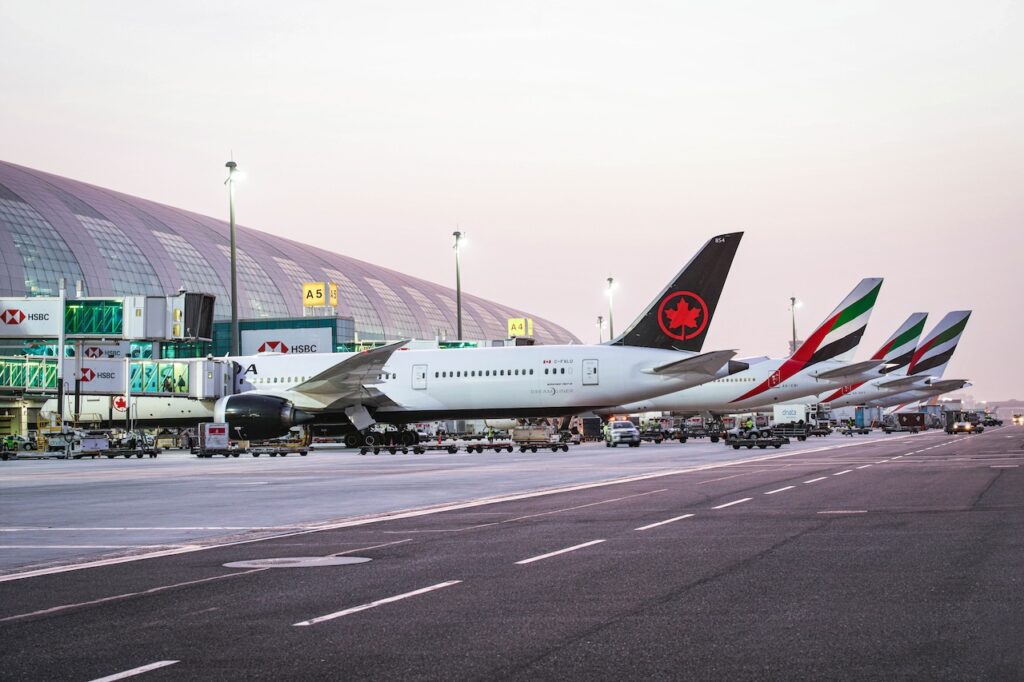



Algeria has barred civilian and military aircraft registered in the United Arab Emirates from its airspace after severing diplomatic relations with Abu Dhabi. The restriction took effect at midnight on 11 September 2026. Commercial services to and from Houari Boumediene International Airport in Algiers are temporarily excluded until the end of 2026.
That exemption for Algiers services through the end of 2026 cushions passengers for now, while the diplomatic estrangement highlights how bilateral agreements and airspace access can rapidly reshape airline networks.
Following years of friction over perceived UAE interference in North Africa and the Sahel, it remains unclear what specifically triggered the current airspace ban, but Algeria says it acted after repeated warnings over what it described as hostile conduct, without detailing a specific incident.
Meanwhile, the UAE has expressed regret and said it hoped the break would be temporary. For aviation businesses and passengers, the key point is that disruption remains contained for now, but the year-end deadline creates a clear decision point for future connectivity between the two countries.
Immediate impact on airlines is expected to be small
Experts expect the direct commercial effect to be limited because scheduled UAE-operated links had already largely disappeared. MiGFlug reports that Algeria moved in February to end the countries’ 2013 air-services agreement, while FlightAware data cited by the outlet indicates that the last Emirates Dubai–Algiers service operated in March 2026. No other UAE carrier currently serves Algeria. Air Algérie is not directly covered because the measure applies to UAE-registered aircraft.
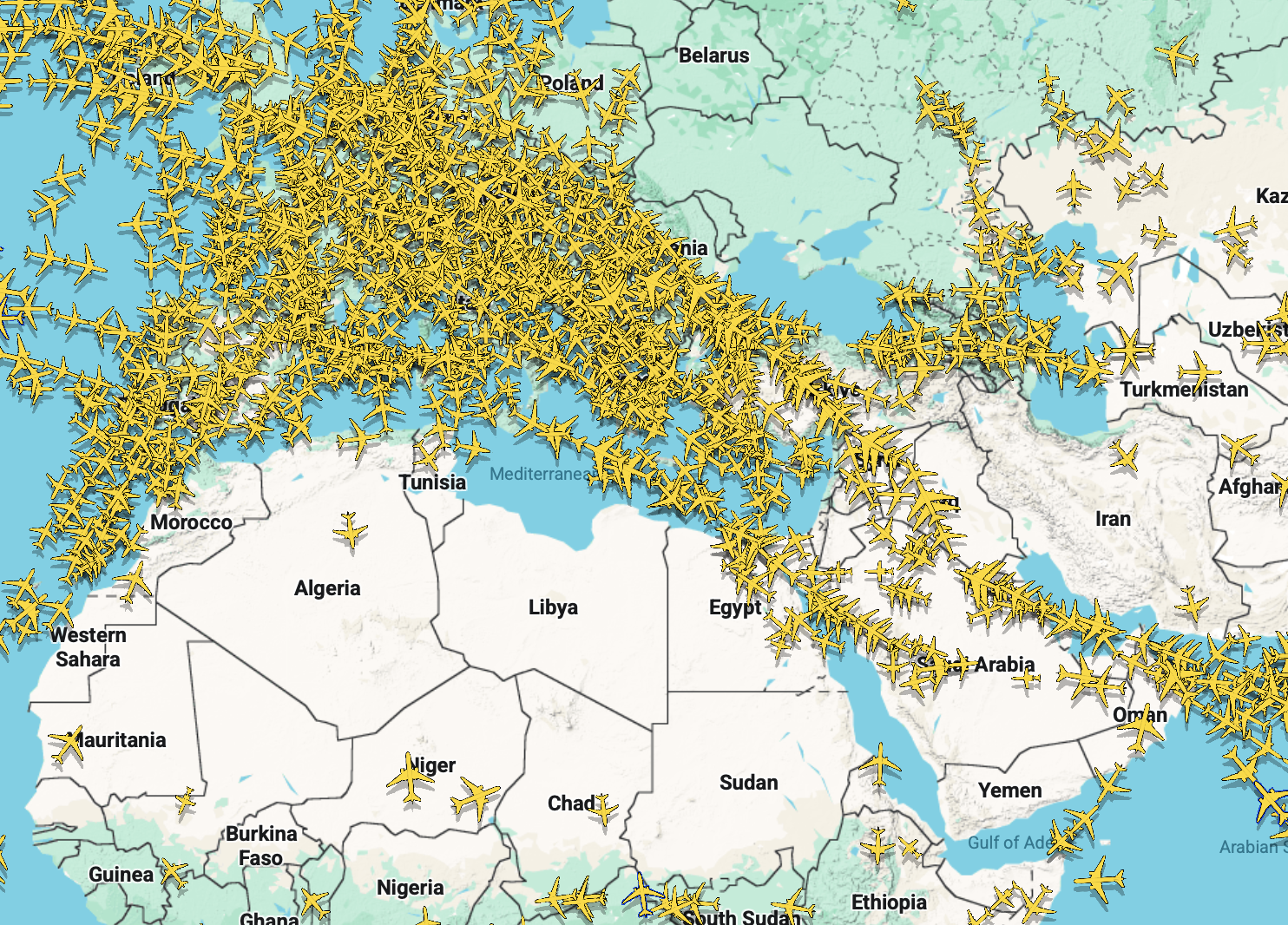
That means, for the aviation sector, the decision is more significant as a policy signal than as a network shock. Airspace restrictions can force rerouting, increase fuel consumption and journey times, and alter the competitive balance between carriers. In this case, however, UAE-registered traffic over Algeria is limited, reducing the likelihood of widespread schedule changes.
✈️🚫 UAE-operated Etihad Airways flight not allowed to fly over Algeria this morning. https://t.co/HSidkwwd1p pic.twitter.com/jlLZ7NlL6H
— MenchOsint (@MenchOsint) September 11, 2026
The exemption also suggests that existing commercial obligations can constrain even a festering diplomatic row; Algerian authorities have referred to an expiring contract governing commercial aviation but have not publicly identified it.
What passengers should expect
Travellers booked on permitted commercial services to or from Algiers should not face an automatic cancellation solely because of the ban before 31 December 2026. Nevertheless, prospective flyers should monitor airline updates because schedules may still change as carriers respond to regulatory, diplomatic, or operational developments.
Anyone planning travel from 2027 faces greater uncertainty: the exemption has a stated end date, and no replacement bilateral framework or continuation has been announced in the cited reports.