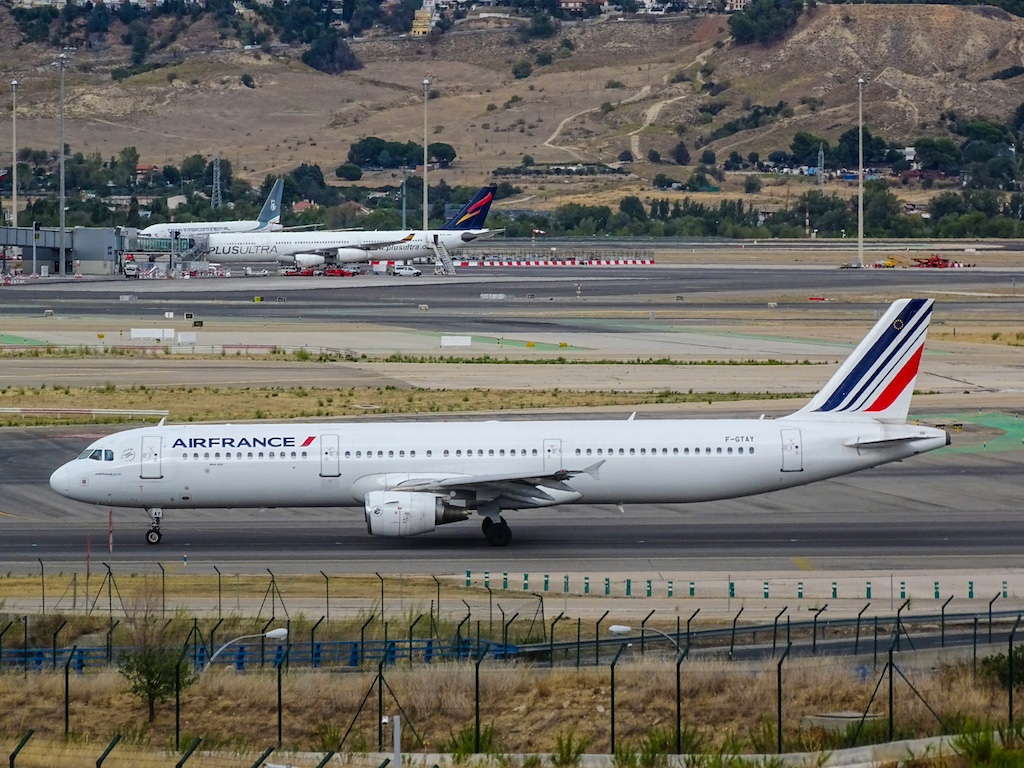


In a landmark case, former Air France flight attendant Sophie Lainault managed to get her breast cancer diagnosis recognised as an occupational disease. According to the court ruling, night work, exposure to ionising radiation, and passive smoking contributed to her deteriorated state of health.
59-year-old Sophie Lainault was a flight attendant for Air France from 1989 to 2019, and later worked as a purser on long-haul flights. Overall, she accumulated over 12,600 flight hours, 6,500 of which took place during the night.
In 2019, Lainault was diagnosed with breast cancer. During her treatment, it became clear that there were no genetic or lifestyle-related factors contributing to her diagnosis. Only after five years, a possible link to her profession became apparent.
“I was asked questions about breastfeeding, whether I was on the pill or taking hormone replacement therapy for the menopause, but nobody asked me what I did for a living,” Lainault told the French media outlet France Info.
In 2024, after a union campaign made her aware of an increased cancer risk due to her profession, the flight attendant decided to seek legal recognition of her case. With the help of her lawyer, Elisabeth Leroux and the CFDT union, she managed to do so after two and a half years of legal combat.
On 25 August 2026, the District Court of Bayonne ruled that Sophie Lainault’s breast cancer was indeed linked to her profession, after two regional committees previously declined any possible link. The night work, exposure to ionising radiation, and passive smoking in particular are said to have been decisive regarding her diagnosis after a series of medical tests proved Lainault showed no genetic or lifestyle-related risk factors.
The ruling sets an important precedent for occupational breast cancer in France, in the aviation industry and beyond. Breast cancer is currently not included in France’s official list of occupational diseases, making such recognition a lengthy process for patients.
“It is truly my dearest wish that this opens the way for other women who might not have dared until now,” said the former flight attendant following the ruling.
No appeal has been filed, making the ruling final. It also means that Lainault will be able to retire early and that all her breast cancer-related treatments will be fully reimbursed by French social security.
“The airline was not a party to these proceedings and has not been informed of the grounds for the court’s decision. Air France stresses that the occupational health and safety of its employees is an absolute priority. The exposure limits applied by Air France are three times lower than French regulatory limits. Epidemiological studies published to date have not established any causal link between working as aircrew and the occurrence of certain diseases,” Air France said in a statement shared with The Independent.
Although Lainault’s case is the first time for breast cancer to be recognised as an occupational disease for a flight attendant in France, a French nurse won a similar legal battle in 2023, after establishing a link between her breast cancer diagnosis and 28 years of night shifts and radiation exposure.