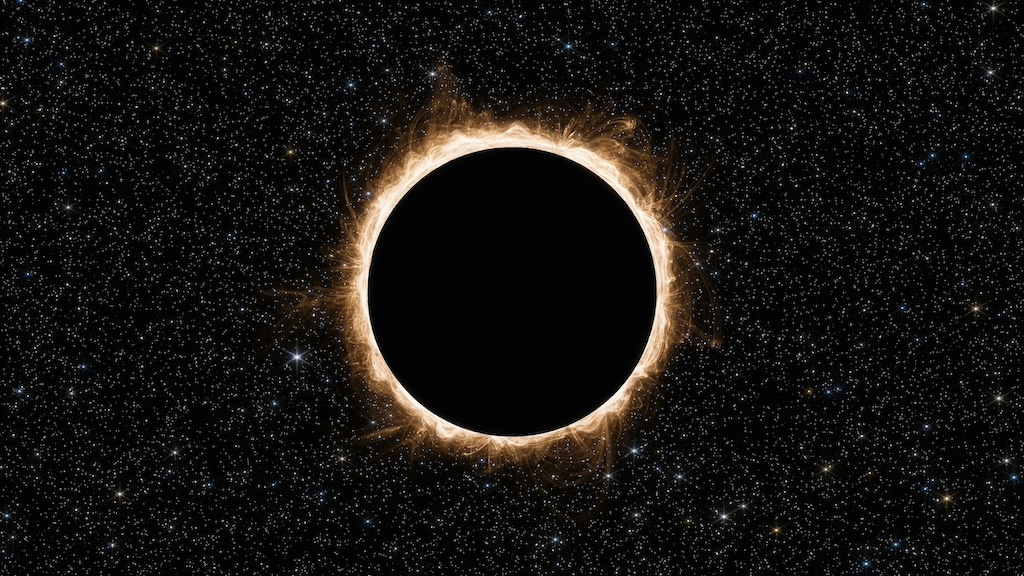



Eclipse fever 2026 may be subsiding, but travel driven by a love of the celestial realm continues to surge, with an even more impressive eclipse set to hit Europe, North Africa, the Middle East, the Atlantic and Indian oceans in 2027.
For many people in regions in the path of totality, 2026 gave them their first-ever glimpse of a total eclipse. Iceland, where around 80,000 stargazers are reported to have travelled this time, had not experienced a total eclipse since 1954 and will not witness one again in those viewers’ lifetimes, with the next scheduled for 2196.
In Spain, which was expecting up to six million eclipse arrivals thanks to the promise of clear skies and good views, it was the first total eclipse for 121 years.
But in 2027, an eclipse is to come that will eclipse all that. At the start of August, the longest total solar eclipse of the century will sweep over Spain, North Africa and the Middle East, creating six and a half minutes of wonder in locations as iconic as Egypt’s Valley of the Kings.
Alongside Egypt, countries and territories in the path of totality include Algeria, Gibraltar, Libya, Morocco, Saudi Arabia, Somalia, Spain, Tunisia and Yemen, as well as parts of the Atlantic and Indian oceans, meaning that uncanny eclipse darkness will fall on destinations including Cádiz, Tangier, Luxor and Jeddah.
Eclipse-related bookings are likely to soar again, especially in places already known as tourist magnets, like Marbella, which will see nearly three and a half minutes of totality. Brits and European’s wishing to stick to the region may also flock to Gibraltar, where totality will stretch as long as four minutes and 28 seconds.
The Italian Pelagian island of Lampedusa, accessible mainly by ferry or mainland air connections, is not out of the eclipse picture either, but, like Gibraltar, its infrastructure could struggle to cope with an influx of eclipse visitors.
Morocco’s Tangier will get almost five minutes of totality. The Tunisian port of Sfax will go dark for two minutes and 56 seconds, and Saudi Arabia’s Jeddah and Mecca will both experience more than five minutes in the moon’s shadow.
But it is Egypt that is attracting the most attention. The Siwa Oasis is likely to offer reflections of the eclipse in stunning salt lakes and against dramatic desert backdrops, as will the otherworldly ancient ruins of Shali Fortress, with a full five minutes and 33 seconds to get the perfect shot. The Bahariya Oasis is another option.
Asyut is a more off-the-beaten-path city destination steeped in history, and religious and cultural heritage that will be plunged into darkness for just over six minutes. But, as a less touristy, more conservative area, it may be more suitable for more experienced travellers.
Luxor’s eclipse, meanwhile, will last six minutes and 22 seconds, combining extended viewing time with probably zero cloud cover in the pharaohs’ ancient royal burial ground. Its monuments possess a “scale and grandeur” that cannot be matched by “anything in the world”, according to Lonely Planet, while the 2027 eclipse promises to add an out-of-this-world experience.