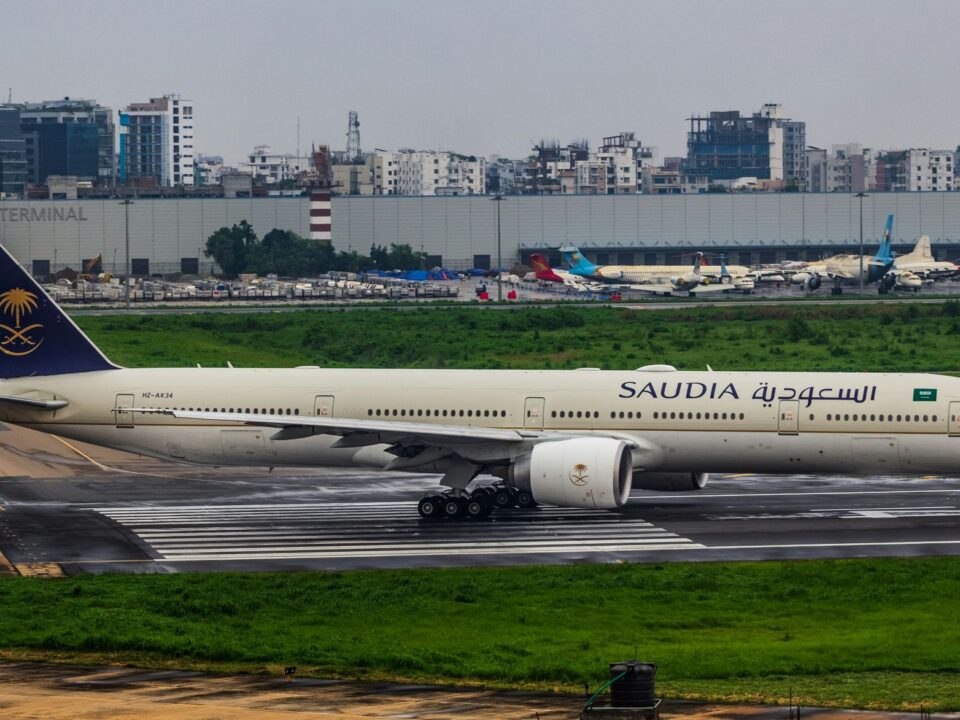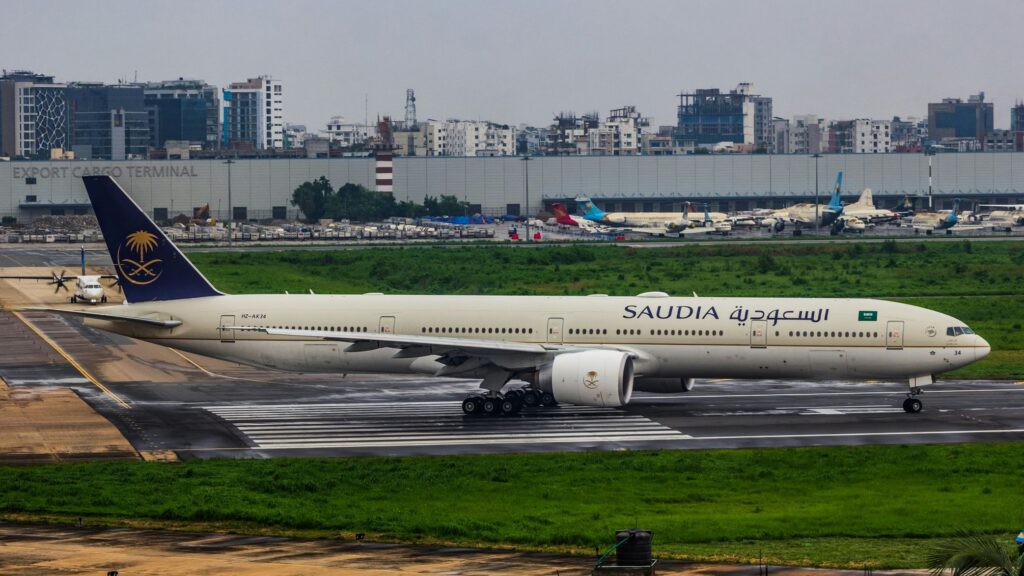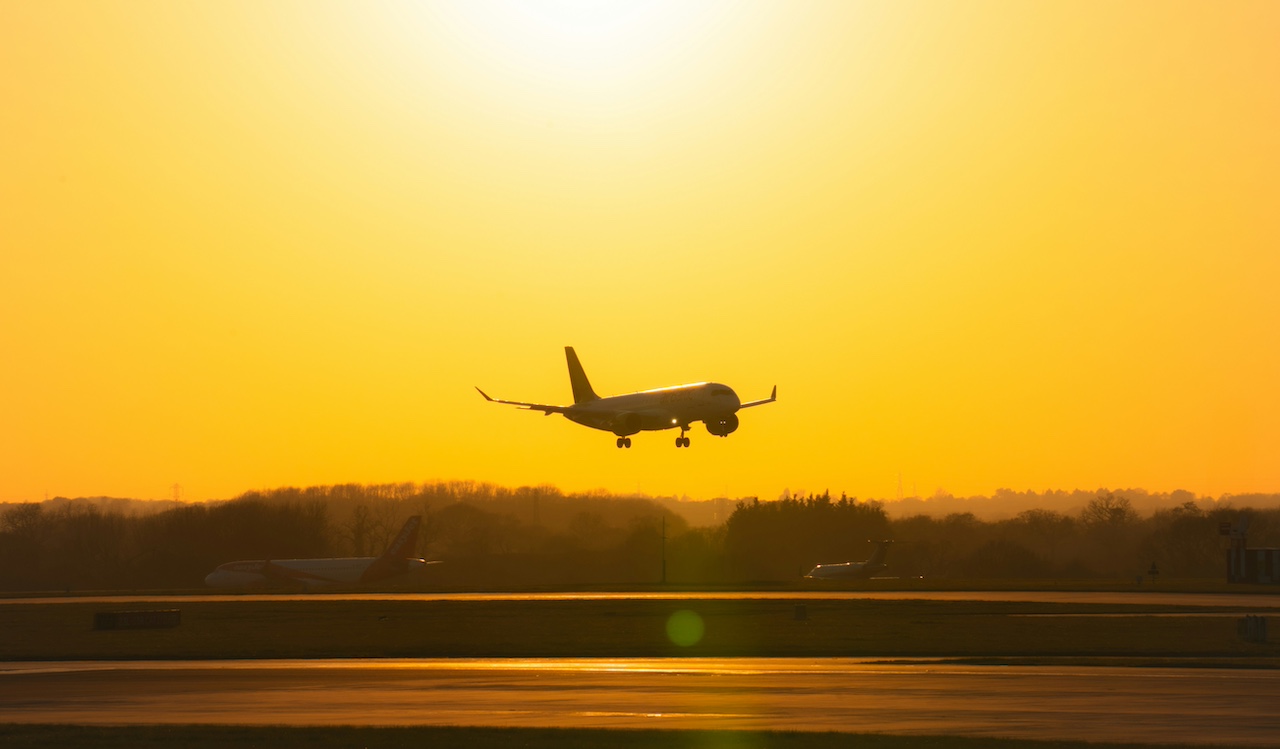



As summer temperatures climb, airlines are increasingly having to balance passenger loads, cargo, and fuel, against the physics of take-off.
Travellers often associate weather disruption with lightning, snowstorms, or high winds. Yet hot cloudless days can also slow operations: warm air is less dense, reducing wing lift and engine thrust when aircraft need both most.
That was the issue behind a recent incident in Las Vegas, where American Airlines offered compensation to passengers willing to take a later service from Harry Reid International Airport after temperatures reached 114°F, or 47°C. The airline said reducing weight in severe heat is a routine safety measure at destinations where conditions require it.
For tourism markets that rely on dependable summer flights, the implications go beyond one delayed departure. Hot, high-altitude, or short-runway airports can face tighter take-off margins as heatwaves become more frequent.
Forecasted Thunderstorm/Weather conditions may affect your flight and cause disruptions. Please check with your airline to determine the status of your flight.
— John F. Kennedy Airport (@JFKairport) August 6, 2026
High temperatures/humid conditions are also expected, with heat index values above 96 degrees. Stay hydrated & remain… pic.twitter.com/qu1kiVlx0a
Why heat can ground an aircraft
Ross Aimer, a retired United Airlines captain and CEO of Aero Consulting Experts, told The Associated Press (AP) the problem is rooted in aerodynamics. “There is a science behind all this,” Aimer said. “You can’t deny the science of flight and what it takes for an airplane to operate.” He added: “Just like human beings, jet engines require lots of cool, dense air to perform well.”
Before departure, pilots and dispatchers assess load, runway length, elevation, and outside temperature. If margins are insufficient, airlines can remove cargo, reduce fuel, add a stop, seek passengers willing to disembark, or delay until conditions cool.
Which airports are most exposed?
The Federal Aviation Administration has no single temperature threshold that bars take-off. Limits depend on aircraft type, weight, and airport conditions, so airports facing the same heat may see different disruption risks.
Desert gateways such as Phoenix, Las Vegas and Palm Springs are obvious pressure points, but not the only ones. Higher-elevation hubs operate in thinner air, while short runways leave less distance to accelerate. The AP noted that Denver’s elevation and the shorter runways at New York LaGuardia and Washington Reagan National can make heat-related restrictions more likely.
European holiday airports may also need to adapt. University of Reading research published in Aerospace found that by the 2060s, some shorter-runway airports could need to cut maximum take-off weight by about 10 passengers in summer. The study identified Chios in Greece, Pantelleria and Rome Ciampino in Italy, and San Sebastian in Spain as more exposed destinations.
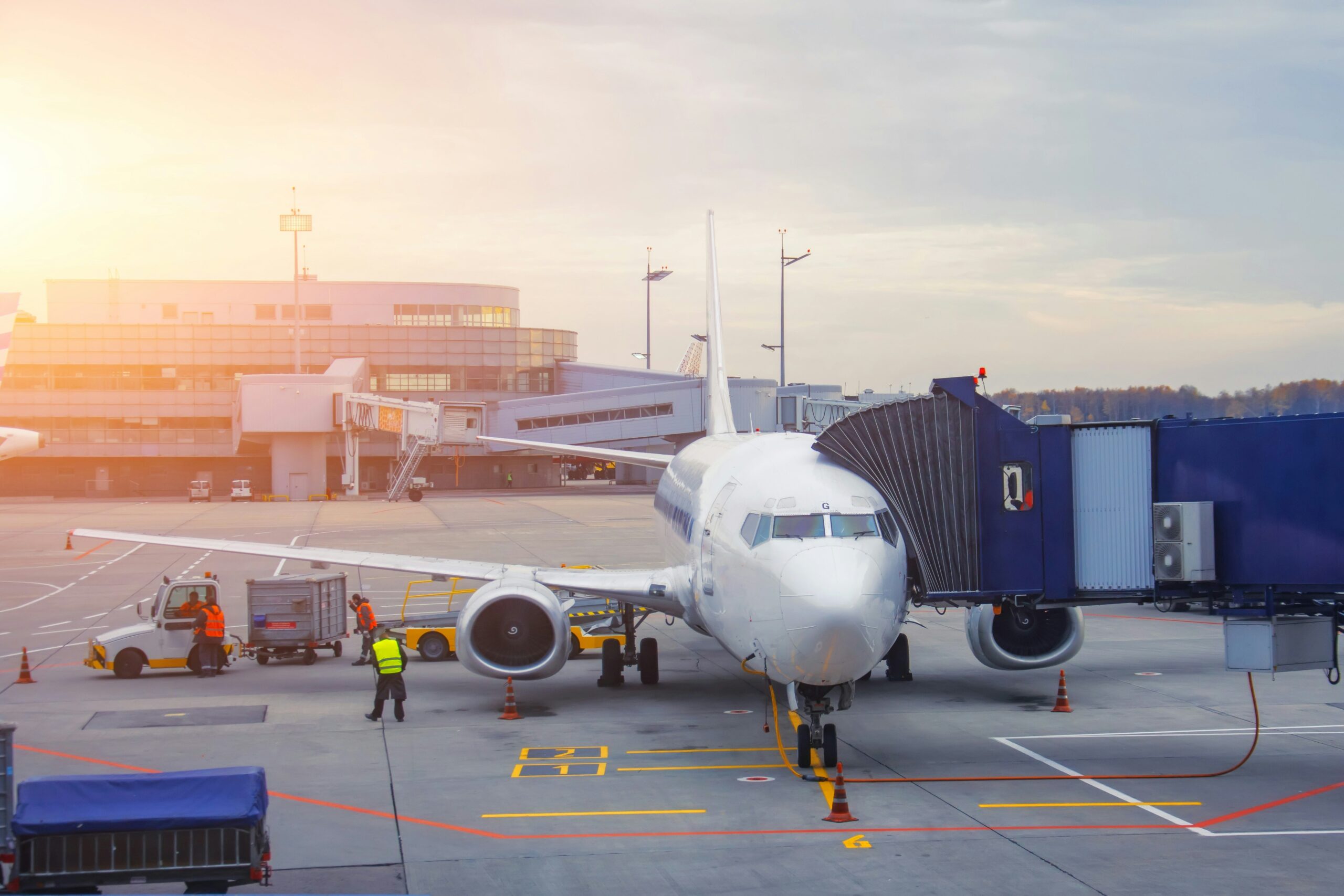
Climate change adds pressure to summer schedules
A 2017 study by Columbia University, NASA’s Goddard Institute for Space Studies and the Logistics Management Institute projected that, by mid- to late century, 10% to 30% of flights departing during the hottest part of the day at some airports could face take-off weight limits if emissions continue to rise, especially at hotter, shorter-runway, or higher-elevation airports.
Recent temperature records show why airlines are paying attention. The AP found Phoenix Sky Harbor International Airport has averaged 43 days a year since 2020 at or above 110°F, more than three times the mid-20th-century average. Harry Reid International Airport in Las Vegas averaged about 18 such days annually from 2020 to 2025, more than double its 1940s–1960s average. Palm Springs International Airport has averaged 55 days a year this decade at 110°F or higher, up 83% from the 2000s.
What travellers should expect
For passengers, heat disruption can look different from a storm delay. A flight may board on time, then require volunteers, baggage changes, or a revised fuel plan. Morning and evening services may become more attractive on very hot routes because temperatures are often lower outside the afternoon peak.
Airports may also need to plan for rising local heat. Jennifer Brady, a data scientist with Climate Central, told the AP that airports’ paved surfaces, limited shade, vehicle activity, aircraft operations, and cooling-system waste heat can make them among the hottest parts of cities. For the travel industry, the issue is more than inconvenience. If aircraft must regularly leave seats empty, shift schedules, or add fuel stops, then summer route costs could rise, and carbon emissions per passenger may be affected. Destinations built around peak-season demand will need to manage extreme heat alongside air traffic control constraints, staffing pressures, and severe-weather disruption.