


I wrote here last week about the wildfires in Europe, now increasingly accepted as the new normal, and suggested the adage, “Never put off till tomorrow what may be done the day after tomorrow just as well”, pretty much explains where we are. We carry on with business as usual. We’ve known about the greenhouse gas effect since 1824 – there is no rush.
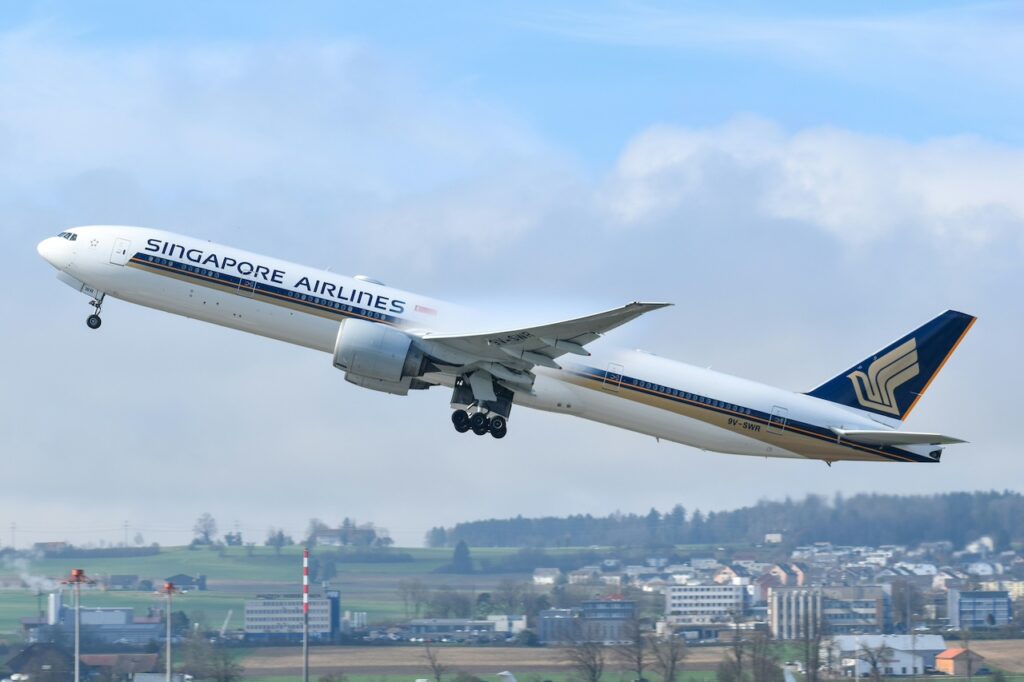
And yet the research shows that tourism-based aviation is growing rapidly and we are not acting to achieve the required technological change. The prospects for the adoption of alternative fuels with zero or very low greenhouse gas emissions are unlikely before 2050, as insufficient investment is being made in the development of new technology. Planes being constructed and purchased now will still be operational in forty years’ time. Given developments in other sectors and without further intense remedial action, aviation’s share of global emissions is projected to rise to about 20% of the global total by 2050, with some sources indicating significantly higher proportions.
Primo Levi echoed Hillel the Elder in his 1986 novel asking, “If not now, when?” For sure, the longer we leave mitigation and adaptation, the harder it will be. Mitigation is difficult because if I act to cut my greenhouse gas emissions, I bear the cost while others will go on with business as usual and profit from my efforts. As Garrett Hardin pointed out in 1968 in “The Tragedy of the Commons”, “Ruin is the destination toward which all men rush, each pursuing his own best interest in a society that believes in the freedom of the commons. Freedom in a commons brings ruin to all.”
Adaptation is a different matter; it may be difficult and expensive, but the benefit accrues to those who adapt. Adapt or die. In the spirit of Darwin, “the fittest win out at the expense of their rivals because they succeed in adapting themselves best to their environment.” Primo Levi’s question is to the point: “If not now, when?”
I wrote last week about wildfires, the damage to infrastructure and the environment, and the lost revenue. There has been very limited research revealing the costs of climate change to the tourism industry in destinations and in the source markets.
Since the beginning of the year, there have been 1407 fires across Europe, with 434,796 hectares burnt, close to 100,000 more than in 2025,17.98 million tonnes (Mt) of CO₂ have been emitted since the start of the year, further accelerating climate change. The Europe Wildfire Map reveals wildfires across the continent, no longer dominating the headlines, the new normal. In Italy, all 27 major cities are on red alert; prolonged spells of extreme heat are expected to pose a health risk to the entire population, raising the likelihood of heat-related emergencies rather than solely affecting vulnerable groups.
The UK Health Security Agency (UKHSA) reports that it “is likely that 2026 could see the highest number of heat-associated deaths on record”. An estimated 753 deaths were associated with the heatwave in May, with a further 2,124 deaths linked to the heatwave in June. The total of 2,877 deaths is almost double the 1,504 across the UK heatwaves in June to August last year.
I am grateful to travel writer Shivya Nath, whose “work focuses on the intersection of meaningful travel, climate action and social impact”, for this list of cities. Read her posts about travel and life on a changing planet; she takes her readers “to a different corner of the globe, on a journey rooted in conscious travel, community resilience and climate action.”
In this year’s Responsible Tourism Awards, we sought applications from those actively taking measures to reduce the risks posed by climate change and/or destinations working to create more climate change resilience in the travel and tourism sector. While there have been a few worthy winners, the response has been disappointing; for example, the judges were unable to make an award in Africa.
Places adapting to climate change
| Incheon, South Korea | 1.“Turning subway stations, gyms, exhibition halls and other public infrastructure into cooling shelters. Cooling fog systems and mobile water sprinklers are installed at busy walkways, bus shelters and exposed walking pavements.” 2. “.. sharing heat relief guides through TV, radio and social media 3. “…has trained ~7000 volunteers to assist during heatwaves. They check in with senior citizens, offer first aid and can help call for additional help.” |
| Paris, France | Has created an app with a list of 800 ‘cool islands’ across the city – including water fountains, swimming pools and forests – connected by shaded walkways. Its climate adaptation plan aims to have a cool island within 7 minutes of each resident. |
| Medellin | “… has reduced urban summer temperatures by 2°C by creating green corridors that mimic natural forests and reduce heat through evapotranspiration – adding water vapour in the air.” |
| France | “People in France have been using DIY chalk paint on windows to reflect heat – and now run low on chalk stock! European cities can mandate installation of external blinds across residential and office buildings.” |
| Düsseldorf, Germany | “Concrete jungles within cities create heat traps by absorbing and emitting heat, especially in the summer. A building in Düsseldorf has installed Europe’s largest green façade (8 km of green roof + vertical garden) which protect the building against the strong sun and reduce the heat island effect.” |
Source: Shivya Nath
If you know of initiatives to increase resilience to climate change and adapt to face the growing crisis in Europe or further afield, please let us know; we need good practices to adopt.