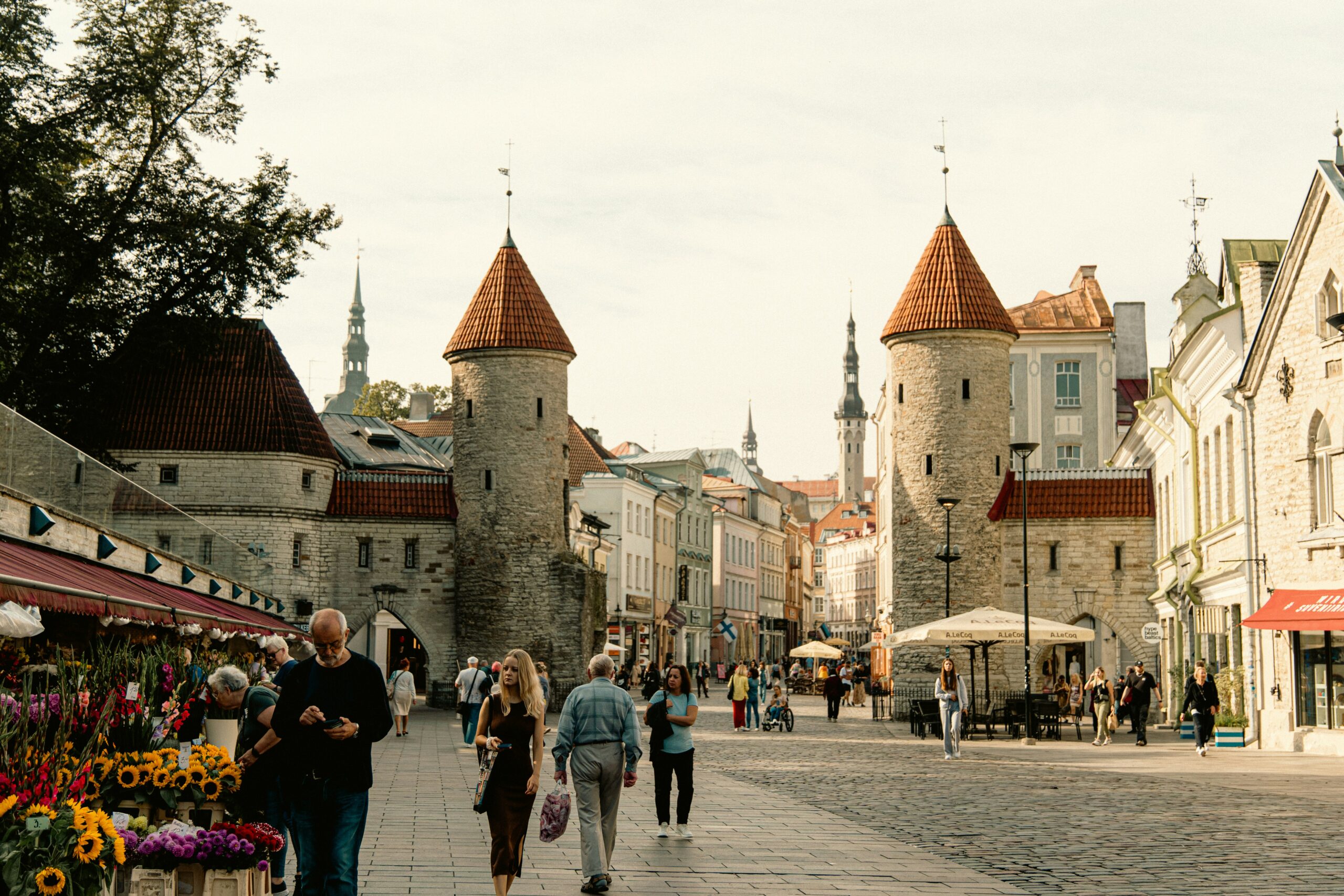



A new ranking is out of the world’s best places to relocate to, and it’s dominated by fast-growing visitor economies on the edge of Europe and tiger economies in East and Southeast Asia, with only one territory in the top ten outside of those regions.
The Rumavi Global Relocation Index 2026 puts Estonia in the number one spot out of 192 countries and territories around the world, drawing on expert sources such as World Bank ICP consumer price data, the Mercer Cost of Living Survey, the Global Peace Index 2025 and World Bank WGI Government Effectiveness. Rumavi ranks nations across 24 criteria in total, including taxation and cost of living factors, healthcare, safety, political stability, pollution and climate action, and friendliness.
The Baltic nation that was once part of the Soviet Union now enjoys Eurozone membership, an enviable reputation for its digital economy, low crime rates, access to nature and offers Digital Nomad visas and e-Residency, making it an easy place to apply to live in.
Destination manager Visit Estonia points out on its website that over half of the nation’s territory is forested, the air is the second cleanest in Europe, the population density is one of the region’s lowest, and that 99% of the country’s services are available online 24/7.
Singapore and Malaysia sit in second and third place, but in a separate ranking weighted for digital nomads, Malaysia comes first. Portugal, on the western edge of Europe, comes fourth in the overall list but second for digital nomads, scoring highly for its currency, banking, property rights, and political stability.
In fifth place in the main list sits Taiwan. Estonia’s fellow Baltic nation, Lithuania comes sixth, followed by Hong Kong. In eighth place, meanwhile, comes the only territory outside Europe and Asia: dual-island Caribbean paradise St Kitts and Nevis.
Czechia takes ninth place, reflecting its combination of affordability, high quality of life, safety and central European location. Malta completes the top ten, offering a Mediterranean lifestyle alongside strong scores for stability and quality of life.
The index also includes separate rankings tailored to different groups, including families, individuals, retirees and entrepreneurs. Users can compare destinations by region and explore interactive tools designed to help identify locations that best match their personal priorities.