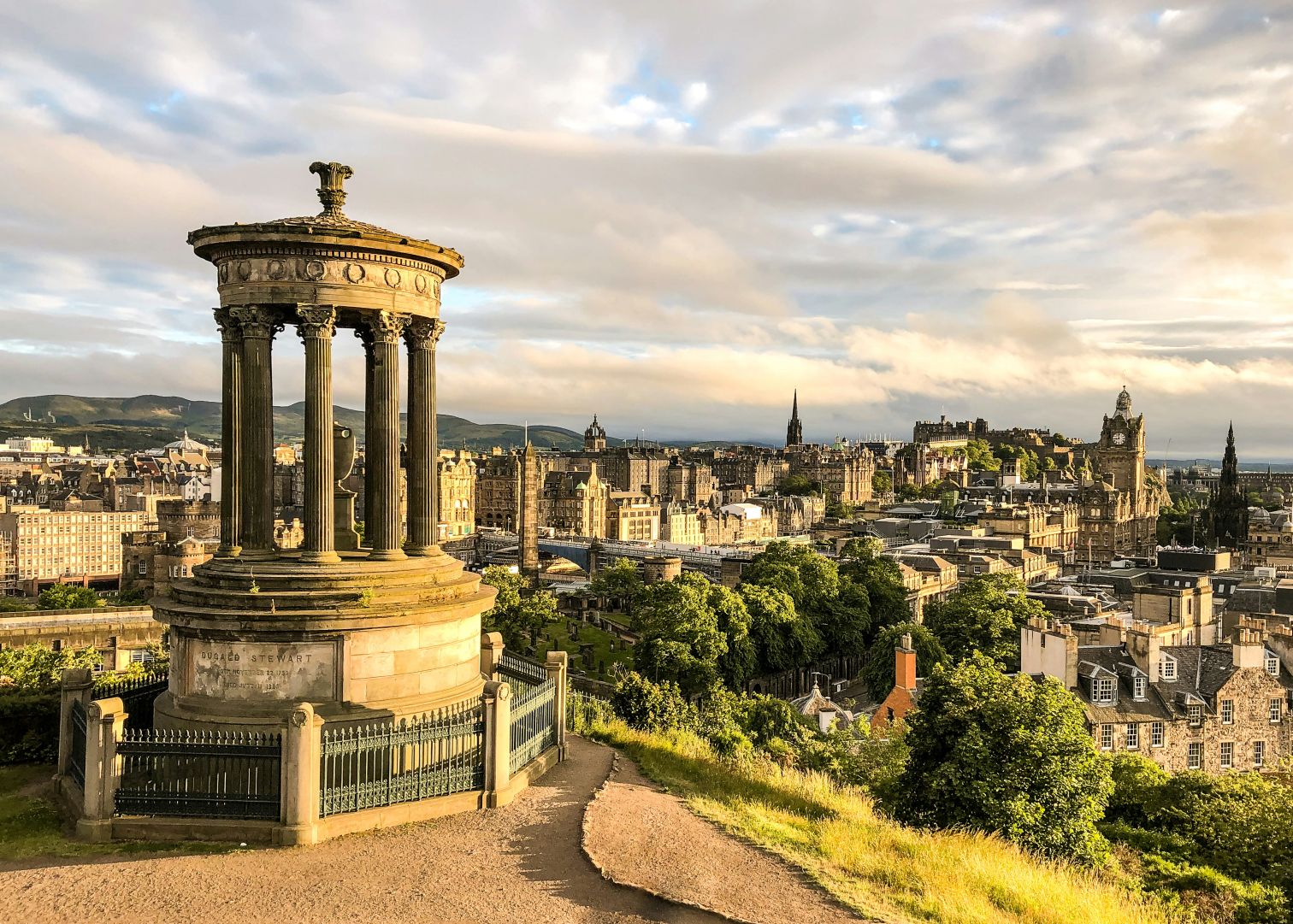



Edinburgh’s tourist tax is now in force, making the Scottish capital the first city in the country to implement a visitor levy. City councillors anticipate the fee will generate funds worth up to €58 million annually, to be spent on services and public spaces.
The tax is levied at the same rate year-round, putting an additional five percent on overnight accommodation, including Airbnb, bed and breakfasts, barges and boats, hostels, hotels, and short-term rentals. The fee is collected by accommodation operators and capped at five nights to promote longer stays.
Approved back in early 2025, the tax began applying on 1 October 2025 to advance bookings for stays on or after 24 July 2026. The money raised is to be targeted at measures to improve the balance between city-dwellers’ and visitors’ needs.
“We know that the city’s popularity comes at a cost through the pressure it puts on our services and on the people who live and work here all year round,” Council Leader Jane Meagher said. “This small new contribution from overnight visitors will help improve the services and public spaces we all depend on, while better managing the effects of tourism and major events.”
At the time of writing, the city is approaching the height of its event calendar, with August’s International Festival on the horizon, encompassing the worlds of the arts, comedy, theatre, books, and film and expected to see 3.85 million attendances at events across the month.
Money generated by the new tax has already been earmarked for public safety at the carnival that kicks off festival season. What’s more, over €9 million is dedicated to new arts venues, in the shape of the restoration of Leith Theatre and the transformation of the Old Royal High School into a national music centre.
Edinburgh's Visitor Levy officially comes into effect tomorrow!
— The City of Edinburgh Council (@Edinburgh_CC) July 23, 2026
The UK's first city-wide levy is projected to raise up to £50 million a year to invest back into our city -improving the services we all depend on, while better managing the effects of tourism and major events. pic.twitter.com/Jq2YiZW4Tl
But the scope of the tax spend goes beyond both the festival and the summer. Over €1.5 million will go towards additional waste, cleaning, and patrol operations in the city centre, and around €3.5 million will be spent on public lavatories. Parks and green spaces have been allocated double the rangers and a planting budget intended to give them a new lease of life. As Julie Ashworth, Chair of the Edinburgh Visitor Levy Advisory Forum, explained: “From revitalised public spaces to better visitor infrastructure and experiences, we’re confident the levy can help Edinburgh stay welcoming, resilient and successful.”
Still, not everyone is happy. Hospitality stakeholders in the Scottish capital have voiced fears that the tax will put travel consumers off Scotland and reduce their spending in the region. Fiona Campbell, chief executive of the Association of Scotland’s Self-Caterers, has also raised concerns about inconsistent implementation and a lack of guidance to businesses about collecting the levy. Others note that the tax penalises holidaymakers who have chosen to stay and spend in the city, rather than targeting day-trippers, who can add to congestion without generating much revenue.
Given the benefits to the arts sector the tax is intended to bring, some criticism of the levy comes from seemingly unlikely sources. Scottish Ballet has had to cut short its winter run of performances in the capital, blaming the strain that the additional five percent would put on its bill of over €230,000.
But Edinburgh is not alone in charging the overnight tax, following in the footsteps of destinations such as Venice and Amsterdam. British cities like Liverpool and Manchester already apply a visitor tax, and other Scottish cities such as Aberdeen and Glasgow are set to bring in their own overnight visitor charge within the next two years.