

An offshore financial centre in the middle of the Irish Sea may not be everyone’s idea of holiday heaven, but the latest official figures show the Isle of Man’s visitor economy is booming, with 95% growth since 2018.
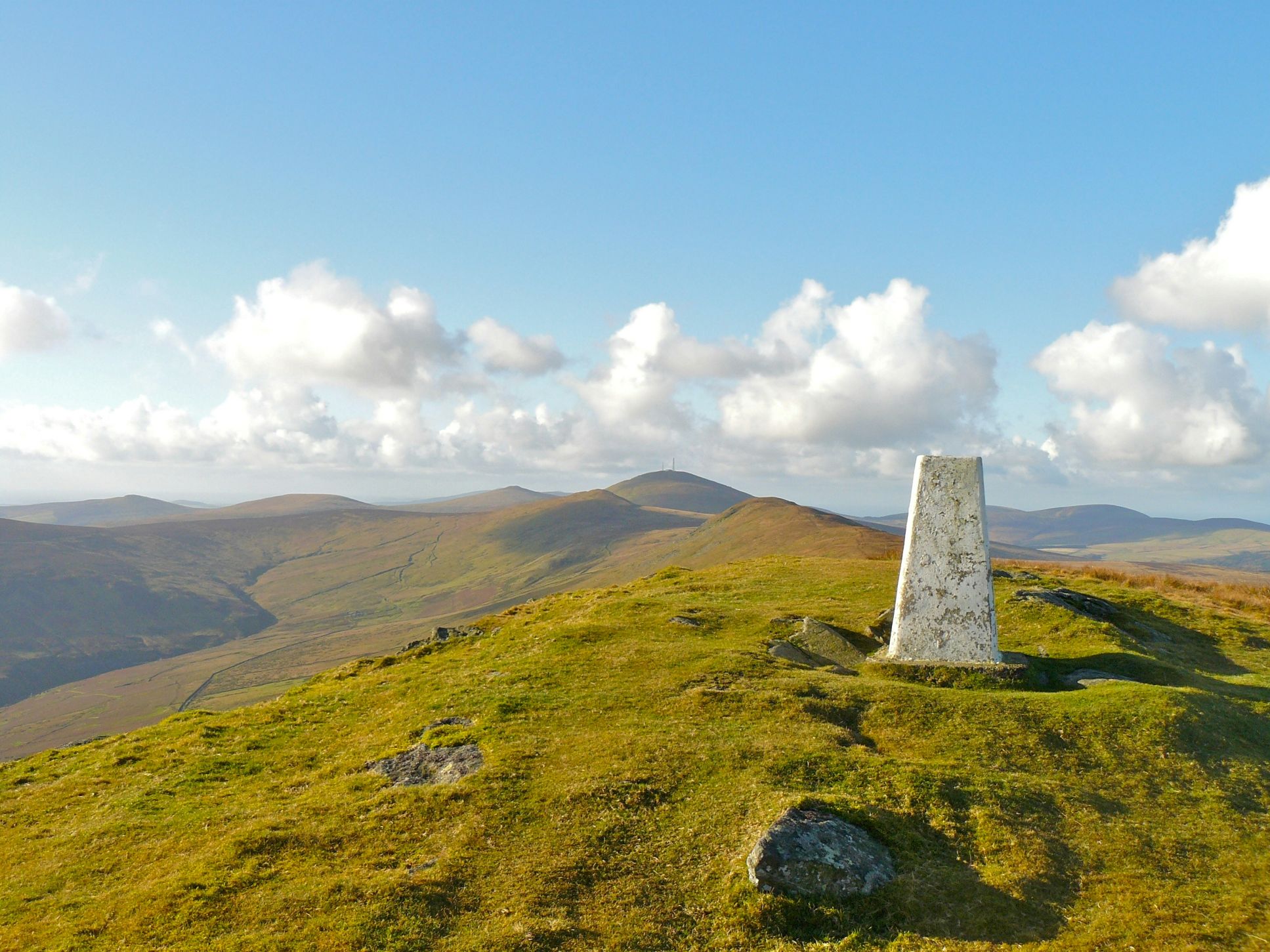
The Isle of Man, a self-governing British Crown dependency and low-tax haven, boasts a rugged coastline, medieval castles, and Celtic and Viking heritage. Its sea vistas and the mountainous landscape at its heart make its annual cross-country motorcycle race a beloved fixture in the racing calendar.
@courtsraee if you're looking to book a trip, be sure to consider the isle of man! i was blown away with how beautiful this island is, it's so clean, safe and full of gorgeous beaches! 🏖️🐚☀️ there's so much to do with the kids and to explore the outdoors. we can't wait to go back! hopefully for the TT one day ✨ #isleofman #isleofmantt #mustvisit #iom #beaches #placestovisit ♬ Beach – Andy Ms
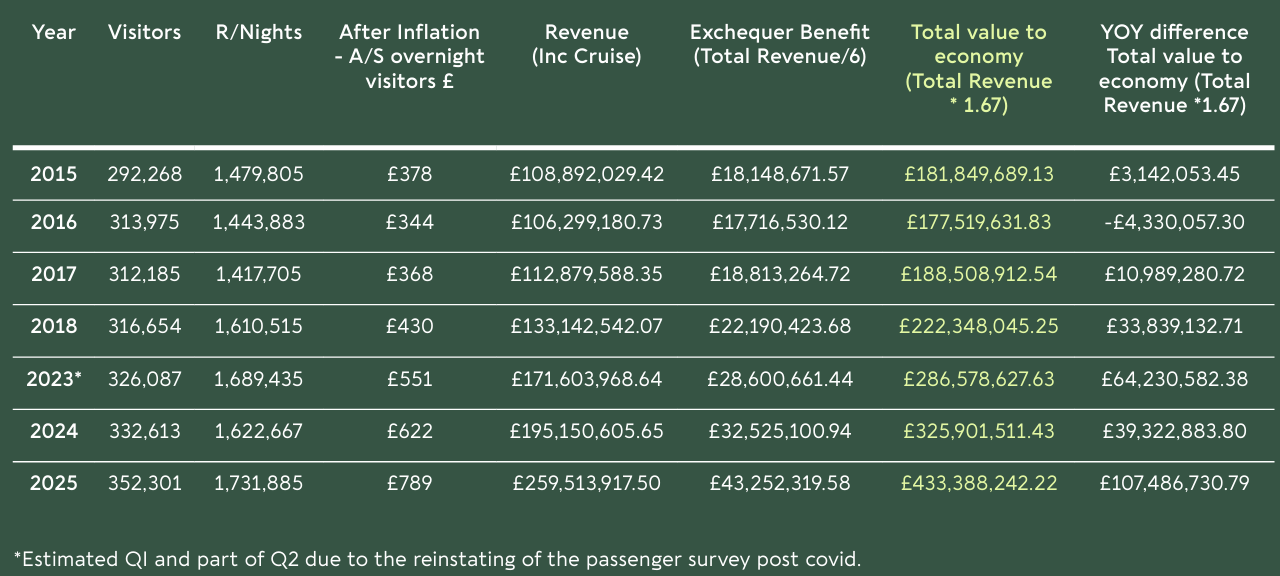
But over the last decade, a broader customer base is building for the island than tax exiles and motocross fans. New data from the island’s tourism board reveals 352,301 visitors went there in 2025, seven percent more year-on-year, generating a visitor spend of a whopping £107 million, up on 2024. The Manx visitor economy is now valued at £433 million (over €505 million), having grown 95% since 2018.
The success of Man’s visitor economy could be a case study for other destinations that are seeking to grow visitor spending rather than numbers alone. Deborah Heather, CEO of Visit Isle of Man, said: “What is particularly encouraging is that we are not simply growing visitor numbers; we are growing value.” She also highlighted that the “average visitor spend has already exceeded the target originally set for 2032, accounting for inflation; visitor satisfaction has reached 99.2 per cent, essentially a 10 out of 10 in Net Promoter Score terms.” According to Heather, all these measures are “indicators” that the island’s “long-term approach is creating lasting benefits for residents, businesses, communities and visitors alike.”
© Visit Isle of Man
Looking back over the long-term, it is hard not to attribute some of that growth to the island gaining UNESCO Biosphere status in 2016, becoming the first entire “nation” to do so. The recognition brought wider world attention for the island’s beaches, nature reserves, Manx National Heritage land, ancient monuments, uplands, glens, and trees.
Surging travel interest in “authentic” and “off-the-beaten-path” destinations has also no doubt been drawing people to the island, where UNESCO notes the Manx Gaelic language has undergone a “healthy resurgence” and traditional folk events such as the spring fire festival Oie Voaldyn still happen yearly.
The Isle of Man tapped into these trends back in 2024 with a promotional campaign for their “Extraordinary Isle” that showcased the island’s year-round offering and shone a light on local “stories and folklore” and “landscape and people,” helping to differentiate the island from other destinations, “unearthing its distinct and unique Manx identity, heritage, culture, language and community,” a press release at the time said. The latest figures appear to show it’s a strategy that has worked.