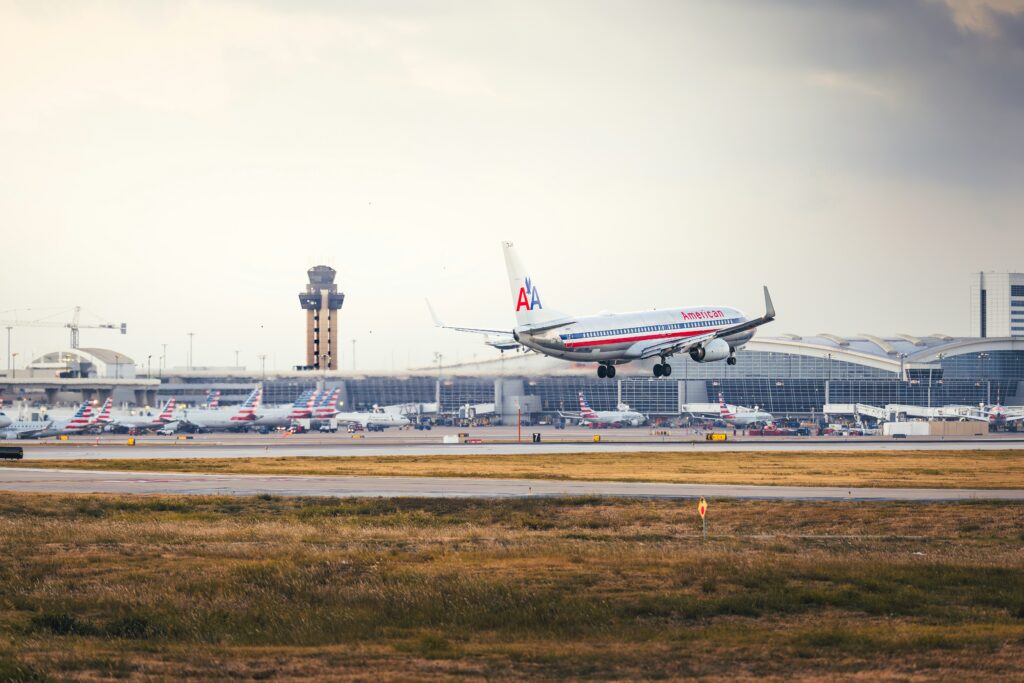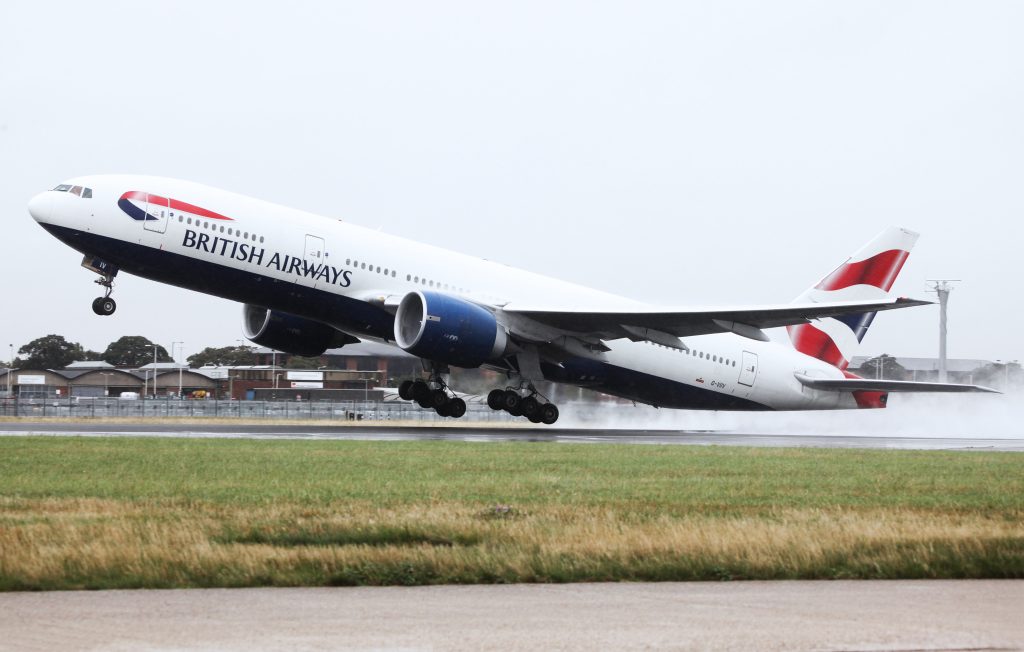



US airlines have expressed concern over a bill to make daylight saving time a permanent feature in the United States, claiming that it would have a significant negative impact on the industry.
Supporters of the bill, officially called the Sunshine Protection Act, claim that longer, brighter winter evenings would encourage outdoor activities and boost the economy, and that ending the twice-yearly clock change would reduce sleep disruption and accidents. However, major airline advocacy groups, including Airlines for America (A4A), claim that adapting to the change would take years and be costly.
The House of Representatives passed the bill by 308 votes to 117, sending it to the Senate. If it is also passed by the Senate and signed into law by President Donald Trump, most of the US would stay on daylight saving time, or the “summer clock”, all year round.
BIG NEWS🚨 The US House just PASSED a major bill to make Daylight Saving Time PERMANENT, ending the two times a year clock changing madness for good 308-117!
— Commentary Donald J. Trump Posts From Truth Social (@TrumpDailyPosts) July 15, 2026
The passed house bill now heads to the Senate, with President Trump strongly backing the move.🌅pic.twitter.com/cPJUCS22Te
A4A has warned that “changes to existing daylight saving time would have considerable implications for aviation”, including “passenger disruption, crew and aircraft positioning, and domestic and international connectivity issues”.
“Airlines operate expansive, interconnected domestic and global networks that rely on stability and predictability,” the group said, adding that any change would require a timetable for implementation that reflects these complications.
The group urged lawmakers to allow sufficient time for preparation, arguing that, unlike the twice-yearly clock change that airlines already handle, this shift “could not be implemented overnight”.
According to VOZ, the existing switches are already causing confusion within the industry. Aviation analyst Henry Harteveldt told the outlet that the transition would affect booking, maintenance and crew scheduling systems. He warned that without proper technical support, failures could “multiply on an unprecedented scale”.
🚨 UPDATE: The U.S. House is expected in the coming days to vote on ABOLISHING the seasonal time changes under the Sunshine Protection Act, supported by President Trump
— Pascal Najadi (USSF)🇺🇸 (@JfkPascalNajadX) July 20, 2026
Get it done! This would mean NO MORE changing the clock ☀️ pic.twitter.com/VMaHTB8Mzk
The United States has already experienced what permanent daylight saving time would entail. Introduced in January 1974 in response to the global energy crisis, it proved so unpopular that Congress reversed its decision just 10 months later.
“It’s comical how no one understands that we already did this in 1974,” commented meteorologist Pat Cavlin. “It ended up being such a bad idea that it only lasted ten months before it was quickly changed back.”
More recently, in March 2023, Lebanese airline Middle East Airlines was forced to change its schedule after the government abruptly postponed the country’s move to daylight saving time, only to reverse its decision days later. This last-minute political U-turn caused widespread confusion and technical chaos not only for airlines, but also for banks and phone networks. It took the airline a month to return to normal.
However, readers responding to the US airline industry’s warning appeared to have little sympathy. One dismissed it as “nonsense”, adding: “Whatever the change might do, it doesn’t compare to the endless cycle of stupidity we endure today.”
— Tom Cotton (@TomCottonAR) July 15, 2026
“Everyone loves this idea until they’re driving to work in complete darkness at 9 a.m. in December,” wrote one sarcastic X user.
Another user pointed out the absurdity of the claim, saying, “It takes 10 seconds to change a clock if it isn’t an automatic clock that already changes by itself”.
However, adjusting a household clock is not quite the same as changing an interconnected global aviation network. For airlines, it would be a logistical nightmare. In addition, there are reasons why daylight saving time was introduced.
The reason we change the clocks at all largely traces back to a simple idea: saving energy. Benjamin Franklin proposed an early version of this concept in a satirical 1784 essay about the wastefulness of burning candles when daylight was available.
A 1975 study by the US Department of Transportation estimated that daylight saving time reduced electricity consumption by around 1% during the periods of transition. However, later research has called these savings into question.