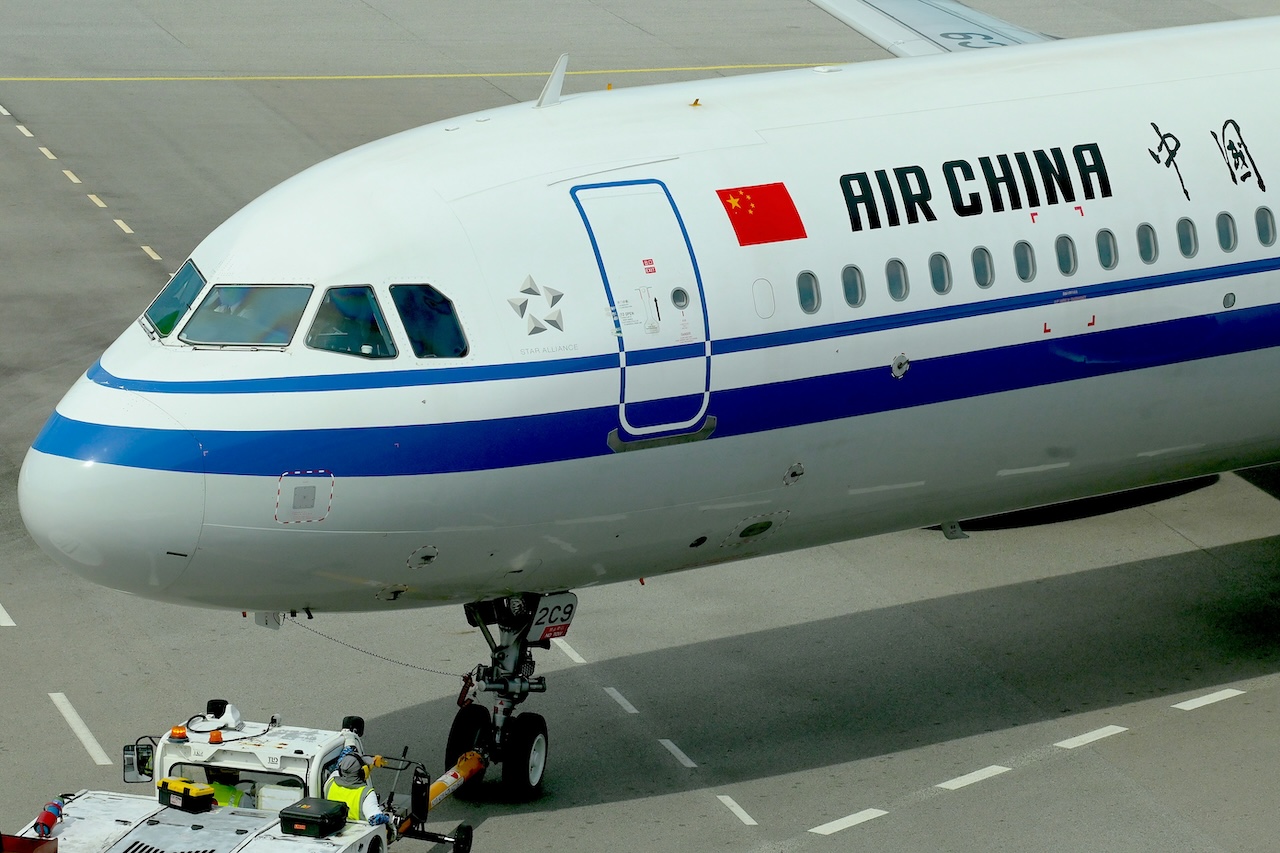


In a bid to expand and modernise their fleets, Chinese airlines have ordered 95 new Airbus aircraft, with a total list price of €15.3 billion. China is the world’s second-largest aviation market, and its carriers have been rebuilding and expanding their fleets since the pandemic, even as the country’s biggest airlines face a more challenging outlook this summer. The purchases are intended to expand capacity, replace ageing aircraft and prepare for expected long-term demand.
The new jets are expected to increase the total capacity of the Air China group by 7.1%, and by 4.3% for Shenzhen Airlines.
According to filings with the Shanghai Stock Exchange, Air China and its subsidiary Shenzhen Airlines will buy 55 Airbus aircraft for a combined list price of €10.7 billion, while Hainan Airlines will acquire another 40 in a separate deal worth up to €4.6 billion
Air China Cargo has ordered an additional 4 #A350F for a new total of 10! ✈️
— Airbus (@Airbus) May 26, 2026
This order for the new-generation freighter supports the airline's strategy to further optimise its fleet, increase capacity and better meet the demands of the international air cargo market. https://t.co/Jj9Y6wDdyZ
Of the 55 aircraft bought by Air China and Shenzhen Airlines, 15 are A350-900 wide-body jets for Air China, valued at about €5.2 billion and scheduled for delivery between 2030 and 2032.
Shenzhen Airlines will separately acquire 40 narrow-body A320neo-family planes, valued at about €5.5 billion, slated for delivery between 2029 and 2032.
Hainan will buy 40 A320neo-family jets for up to €4.6 billion. Hainan’s 40 aircraft are scheduled for delivery between 2028 and 2032.
The figures are based on catalogue prices. Ultimately, the amounts agreed between Airbus and the airlines will fall below the listed values, as is standard practice for sizeable aircraft orders.
Other Chinese airlines have also been placing large orders with Airbus. Last month, China Eastern Airlines announced plans to purchase 25 A330neo jets for approximately €8.0 billion, following its March announcement to buy 101 A320neo aircraft for around €13.6 billion.
In April, China Southern Airlines and its subsidiary Xiamen Airlines agreed to purchase 137 aircraft for €18.4 billion.
This buying spree comes at a time when the industry is facing a challenging year. Higher oil prices following the conflict involving Iran have driven up the cost of aviation fuel, while route disruptions over the Middle East have lengthened some journeys and increased operating expenses. Chinese carriers are particularly vulnerable because, unlike many of their Asian competitors, they hedge relatively little of their fuel purchases.
Air China forecasts a net loss of up to 2.6 billion yuan (roughly €327 million) for the first half of the year, stating that elevated fuel prices had ‘drastically squeezed’ its profit margins. Air China, China Eastern and China Southern have warned that their combined losses for the first half of the year could total 9 billion yuan (€1.14 billion), due to higher costs and weakening passenger demand.
Still, Chinese carriers are set to be among Airbus’ most important customers in 2026. China is Airbus’s largest single-country market, accounting for around 20% of the manufacturer’s total annual deliveries in recent years. Currently, more than 2,200 Airbus aircraft, including passenger jets and freighters, are flying with Chinese mainland carriers, representing 55% of the market.
Airbus expects passenger traffic in China to grow by around 5% annually over the next two decades.
Airbus’s involvement in China also extends well beyond selling aircraft. It operates A320-family final assembly lines in Tianjin, alongside training, engineering, research and aircraft-completion facilities across the country.