


This summer, the trend worldwide seems to be for shorter and cooler holidays rather than the sun-seeking getaways we’ve come to associate with the season, and it’s playing out across the globe.
That won’t surprise anyone living in Europe, who is currently in the middle of another heatwave, but 2026 is shaping up to be a record year for travellers, with the strongest demand for short trips of four days or less and “coolcations”, both in Europe and across Asia.
According to a new study by Trip.com Group, travellers from Mainland China, the UK and Malaysia are travelling an average of 2,800 km for their holidays, the equivalent of a Beijing–Manila flight or a London–Tenerife trip.
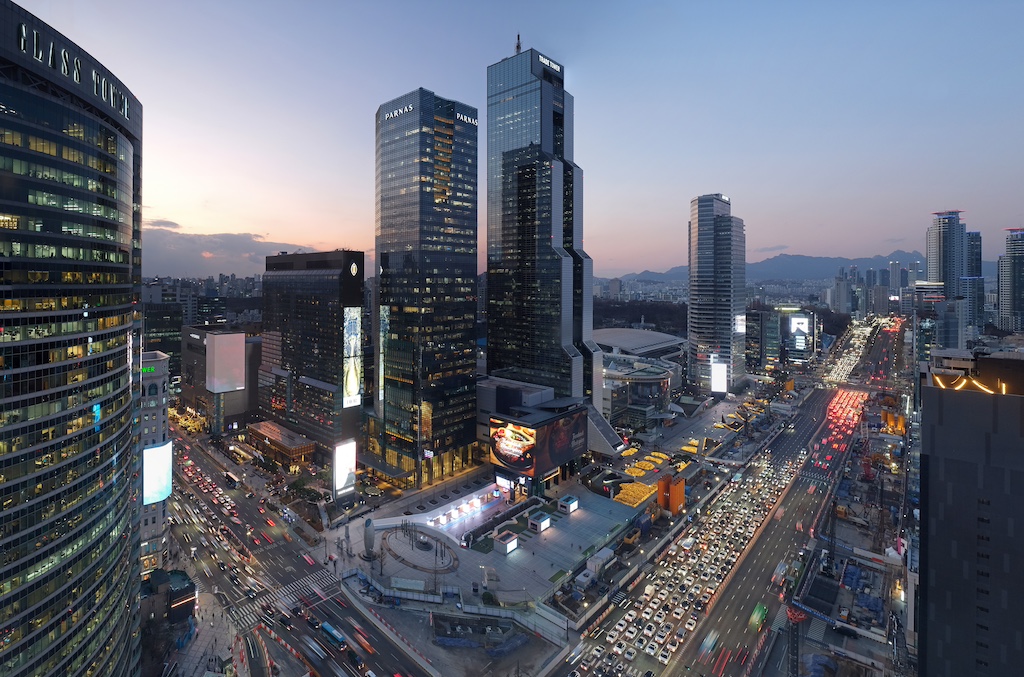
The most booked destinations remain cosmopolitan hubs and mega-cities, led by Seoul, Bangkok, Hong Kong, Tokyo and Taipei.
The second half of 2026, which includes the summer holidays, is set to see double-digit growth year-on-year (YoY) for outbound bookings from Europe, Southeast Asia and East Asia.
As trips become shorter, averaging between 2.92 and 3.8 days, that doesn’t mean giving up on quality. Flights need to be shorter too: short-haul flights, especially in Europe, have seen a 73% YoY increase this summer.
Long weekends have become particularly popular, where workers combine one or two days of holiday with the weekend. Bookings for trips of four days or less have seen a 40%+ YoY increase in East Asia and Europe, and over 15% in Southeast Asia. That trend is expected to continue into the second half of 2026, especially in East Asia and Southeast Asia.
Family trips are also having a moment this year, overtaking trips with friends, a partner, or solo travel as the most appealing way to holiday.
It’s a trend most strongly observed in the UK, Germany, Singapore and South Korea, and strongest among millennials aged 35 to 44, which naturally entails family experiences, from dining to activities available at the destination, but also suitable flight times.
Gen Z and millennials are particular about getting the right accommodation and family-friendly options. In Southeast Asia, top spots this summer include Bali Zoo in Indonesia, Desaru Water Adventure Park and Entopia by Penang Butterfly Farm in Malaysia, while theme parks such as Universal Studios Japan, Tokyo DisneySea and Tokyo Disneyland are big draws in East Asia.
Searches for cooler destinations and coolcations are up 74% YoY since the start of the year, while content about cooler getaways and ways to “beat the heat” rose 15.4% YoY last summer.
Aside from the regular coastal favourites like Palma Mallorca, Izmir, Malaga and Porto, where the cool sea breeze takes the edge off the heat, flight booking searches have jumped for destinations such as Iceland, Norway, Slovenia, Switzerland and Wales.
In Asia, Inner Mongolia, Sapporo and Yunnan are seeing the same effect, with average temperatures of 15 to 25 degrees in Ulaanbaatar and Sapporo among the drivers. Both are now among the top ten destinations for South Korean travellers.
AI has been used extensively to plan trips this year: Google searches for “help plan my trip” have grown by 190% YoY, while AI-assisted orders via TripGenie on Trip.com have increased by around 400%.