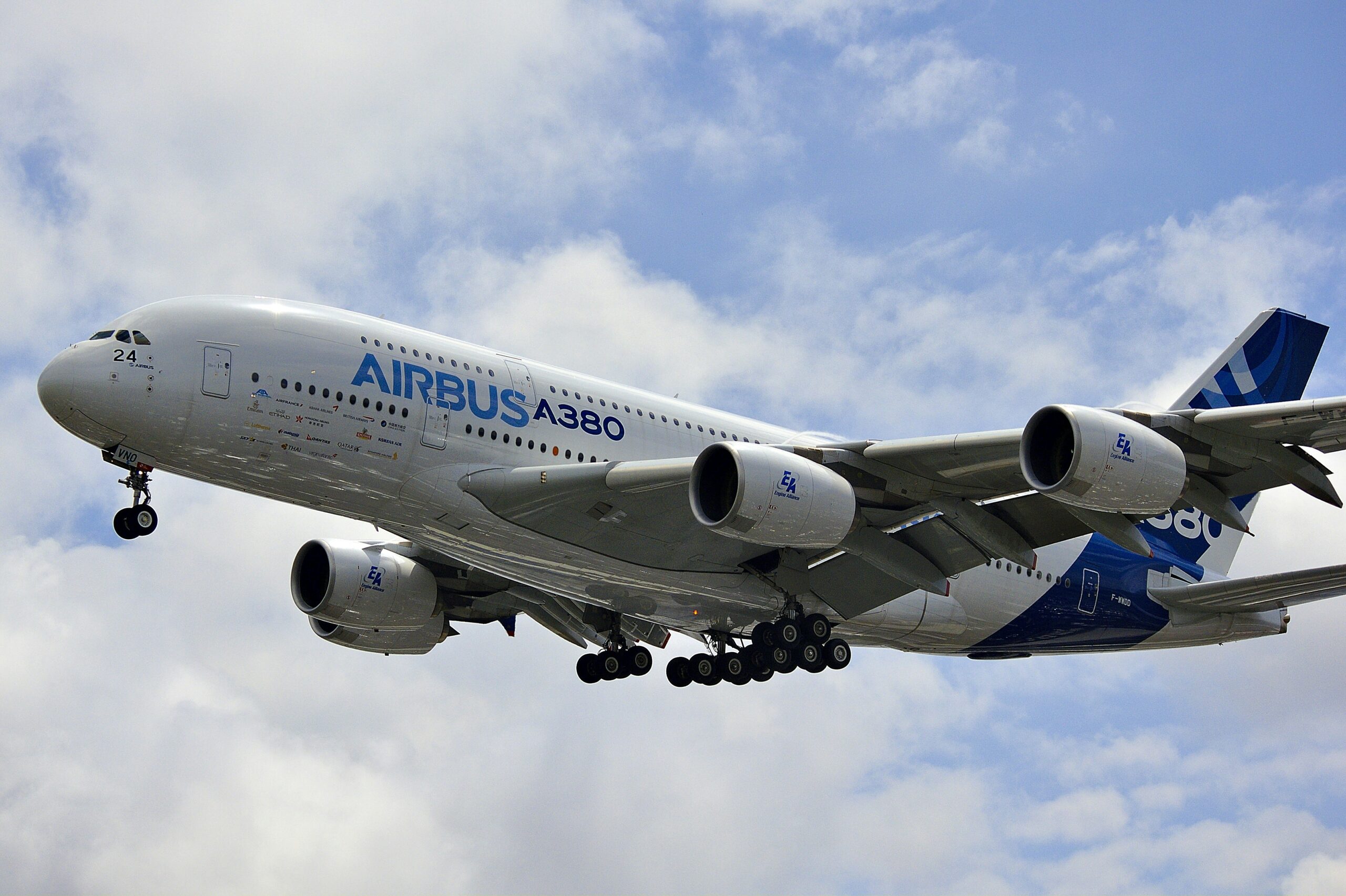


Airbus is preparing to inspect 16 of its A380 superjumbo jets after cracks were discovered in a key wing structure, prompting urgent action from European aviation regulators and raising concerns over the long-term durability of the world’s largest passenger aircraft. used by the Emirates and Qantas airlines.
The European Union Aviation Safety Agency (EASA) has issued an Emergency Airworthiness Directive requiring inspections of the affected aircraft after cracks were found in wing spars, structural components that help bear aerodynamic loads during flight. Regulators warned that the defects could potentially reduce the structural integrity of the wing if left unaddressed.
According to EASA’s directive, five aircraft operated by Emirates must undergo inspections before their next flight, while another 11 aircraft — 10 from Emirates and one from Qantas — must be checked within 25 flight cycles. Emirates, the world’s largest operator of the A380, said inspections would begin within 48 hours. A spokesperson for the airline said, “Any work required will be carried out before releasing aircraft to service,” adding that the carrier was working closely with Airbus and regulators to minimise disruption to flight schedules.
Airbus to inspect 16 A380s after cracks found on plane wing structural beam.
— FL360aero (@fl360aero) June 23, 2026
Read more : https://t.co/d26EsQ3kM2#aircraft #manufacturer #aviation pic.twitter.com/LOk8skuexY
Airbus said it was supporting the inspection programme and would assess the results alongside EASA before determining whether repairs would be required or whether the aircraft could return directly to commercial service. An Airbus spokesperson said the company would evaluate “whether repairs are necessary or if the aircraft can return to commercial service.”
Qantas said the single aircraft affected in its fleet was already undergoing scheduled maintenance, meaning the inspection is not expected to cause operational disruptions. The airline confirmed that no changes to its flight schedule are anticipated as a result of the directive.
A Qantas Airbus A380 arrives in Sydney 🎥 pic.twitter.com/wxEtCLzjyo
— Dan | Dj’s Aviation (@DjsAviation) April 26, 2026
The latest inspection order follows earlier concerns involving the A380’s wing structures. EASA had already directed checks on certain aircraft in late 2025, and the newly identified cracks were discovered during follow-up inspections. Airbus has since identified aircraft with similar production and operating histories for additional examination.
The development also revives memories of a major 2012 inspection programme that was launched after cracks were discovered in wing fittings across parts of the A380 fleet. Although those issues were ultimately resolved, they resulted in costly repairs and heightened scrutiny of the aircraft’s structure.
Introduced into commercial service in 2007, the A380 became an aviation icon thanks to its double-deck design and capacity to carry more than 500 passengers in typical airline configurations. Airbus ended its production in 2021, manufacturing 251 aircraft, after demand shifted toward smaller, more fuel-efficient long-haul jets, though the superjumbo remains a key part of several airlines’ fleets, particularly Emirates.