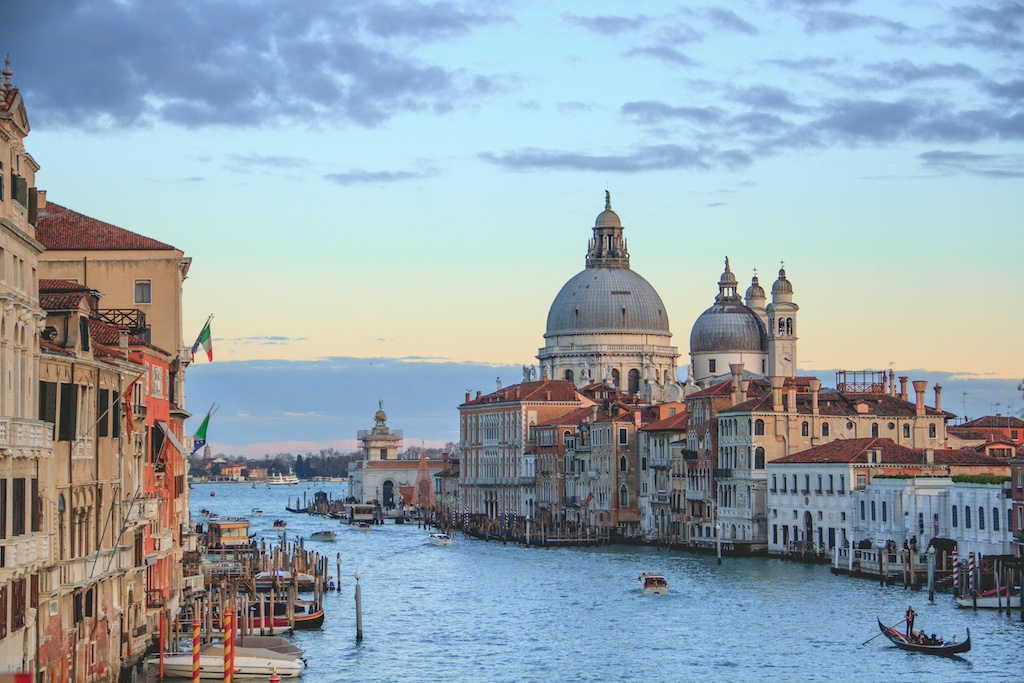


Day trippers to Venice, Italy, could find themselves charged up to €50 for the privilege if proposals to tackle overtourism by the city’s new mayor, Simone Venturini, are given the go-ahead.
The iconic lagoon destination has been making visitors pay an “access charge” if they come for the day only since 2025, when Venice became the world’s first major tourist destination to charge for entry. The five-euro levy applied to 29 peak season days that year and went up the following year to apply to 54 days, doubling for last-minute arrivals. In 2026, the fee is once again in operation, this year on 60 dates.
The Venice tourist fee is payable online, where visitors are given a QR code to pass through access points. Checkpoint staff have been deployed to verify visitor status. Overnight visitors, residents, under 14-year-olds, and a range of other visitors, including students and those entering the city for medical treatment, are exempt but must still register with the scheme.
Although the scheme has generated significant income in excess of predictions, critics of the scheme, especially residents in the north-eastern Italian city, have said it makes their hometown feel like a theme park. They also note that the excess income is an indication that the programme has failed to deter the vast tourist numbers the city has been trying to manage since UNESCO warned that overtourism was posing a threat to its World Heritage architecture and culture.
While some say daytrippers and cruise arrivals do not contribute to the local economy in the same way as overnight guests, others argue that it is not daytrippers but overnight guests who clog the city’s narrow passages with wheelie suitcases and, as in other destinations worldwide, have pushed up housing prices by encouraging short-term rentals. Tourists have also been accused of crowding locals out of gondola transport.
But others note the daytripper fee is still in its early stages and must be given time to have an impact. Now, new mayor Venturini has weighed in, calling the fee “the only effective tool to control daily visitor numbers.” Under his scheme, visitors could be charged between €30 and €50 on high-season dates once pre-defined tourist limits have been exceeded.
It is not clear whether impact analyses have been carried out to determine whether such a regime would provide a perverse incentive for tourists to rush to book their visits. But Venturini says the extra income generated by higher charges would “finance city services and support the maintenance and protection of a unique city, built on water, whose costs exceed €100m each year.”