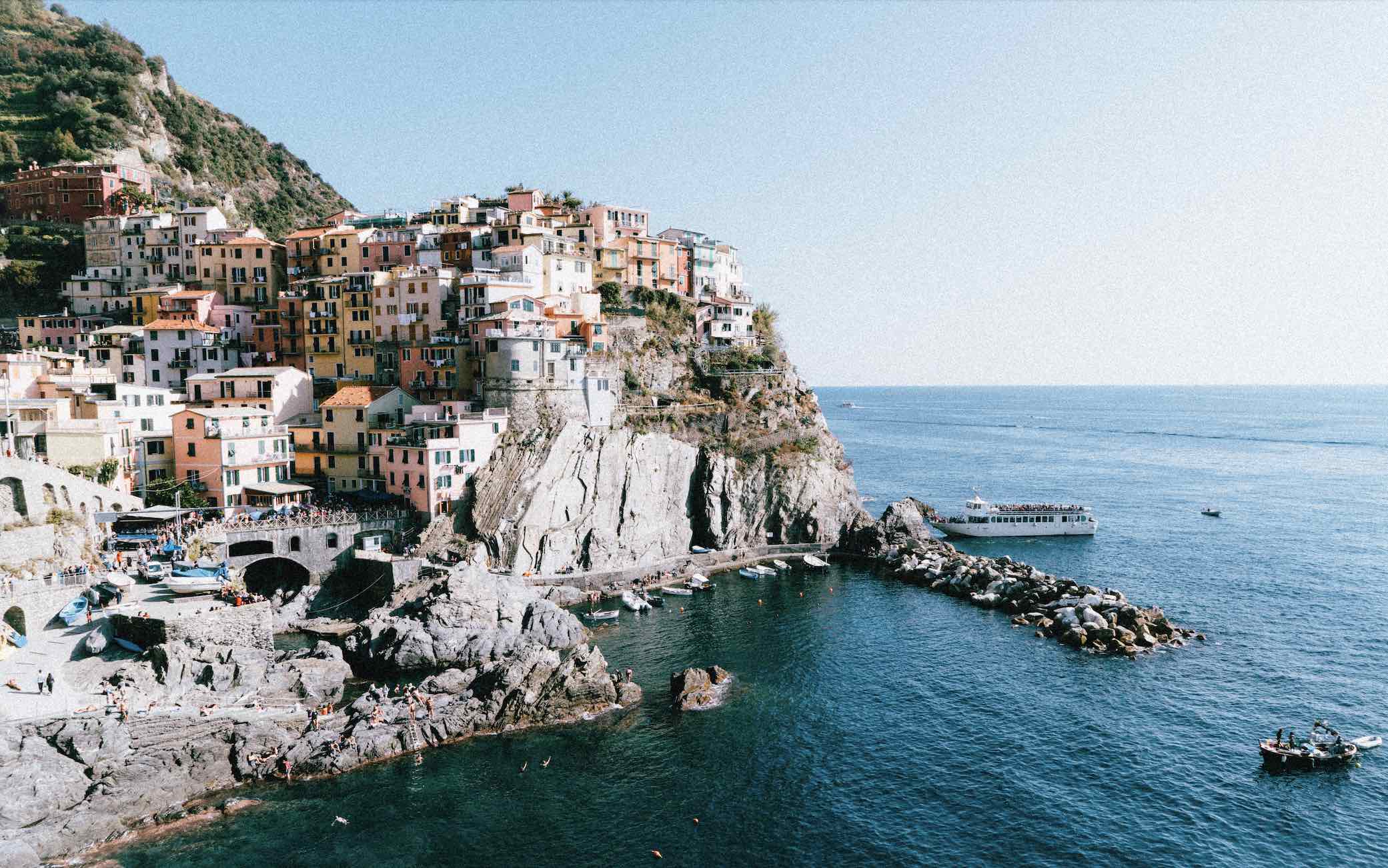



Cinque Terre is one of Italy’s most photographed coastal areas, made up of five villages along the Ligurian Sea: Monterosso, Vernazza, Corniglia, Manarola, and Riomaggiore. It is known for colourful houses built into steep cliffs, often seen in social media images that suggest an easy seaside escape. In reality, the landscape is much more rugged, with steep and narrow hiking paths that require effort and care. The region is also one of northern Italy’s busiest tourist hotspots, especially in summer, with many visitors arriving via the cruise port of La Spezia. Cruise passengers and day-trippers often stay only briefly, putting pressure on villages, trails, and infrastructure, which has led to stricter local rules.
These villages are linked by a network of hiking trails that follow the coastline and climb through steep, uneven terrain. Although they are popular for their views, the paths are closer to mountain hiking routes than simple walking routes between towns. Many visitors underestimate the difficulty because the scenery looks calm and accessible from a distance. This gap between expectation and reality is a growing safety concern for park authorities. The combination of fragile terrain and high visitor numbers makes proper preparation essential for anyone exploring the area on foot.
One of the most well-known rules introduced in response to these risks is the footwear ban on hiking trails. Visitors are not allowed to wear flip-flops, open sandals, or shoes without proper grip while walking these routes. Those who ignore the rule can face fines of up to €2,500. The regulation applies specifically to hiking trails within the Cinque Terre National Park and not to the village streets themselves. Authorities have also carried out spot checks during busy periods to ensure compliance.
The rule exists mainly because of repeated accidents on the trails. Local rescue teams have been called many times to assist hikers who slipped or injured themselves while wearing unsuitable footwear. The rocky paths can become especially dangerous in warm weather when visitor numbers are high and surfaces become worn. Officials have explained that proper hiking shoes are essential to reduce accidents and improve safety. The regulation is therefore intended to protect both tourists and emergency workers who respond to incidents.

Alongside the footwear rules, authorities also use other systems to manage crowding on the trails. On certain popular sections, one-way walking routes are introduced during peak hours to prevent congestion. This measure helps reduce bottlenecks on narrow paths where passing other hikers can be difficult.
Visitors are also required to use a Cinque Terre Trekking Card to access certain trails and services within the national park. The card helps regulate the number of people on the paths and supports maintenance work in the area. Prices typically range from around €10 on quieter days to €15 during peak periods. This system is part of a wider effort to balance tourism demand with environmental protection. It also helps fund upkeep of trails that are affected by heavy seasonal use.
Cinque Terre is not the only destination introducing stricter rules for visitors. Across Europe, popular tourist locations are increasingly regulating behaviour to manage overcrowding and protect local communities. In Portugal, the coastal town of Albufeira has introduced fines for inappropriate public behaviour, including restrictions related to clothing outside designated beach and pool areas. Tourism management is becoming more structured as destinations try to reduce pressure while still welcoming travellers.
For visitors heading to Cinque Terre, preparation is becoming more important than ever. Proper footwear is essential for anyone planning to hike between the villages. Following trail rules, checking signage, and respecting one-way systems can make the experience safer and more enjoyable. Conditions can change depending on season and crowd levels, so awareness of local regulations is important before setting out. The landscape remains one of Italy’s most striking coastal regions, but it now comes with clearer expectations for those exploring it on foot.