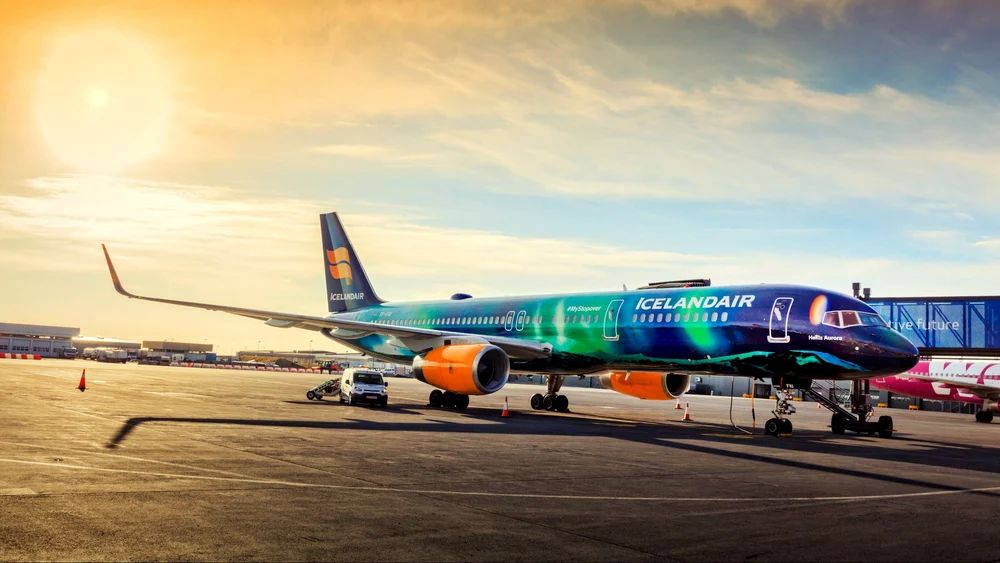

Icelandair has selected the “world’s worst photographer” and awarded the winner a $50,000 prize after a global campaign designed to celebrate imperfection in photography and showcase Iceland’s naturally striking landscapes.
The worst of the worst tier was awarded to Blanche Mortemard, a Paris-based photographer who was chosen from more than 127,000 applicants across 178 countries. The airline’s unconventional brief was not to find technical excellence, but rather the opposite: someone whose photos consistently fail to meet standard expectations of composition, focus, and framing. The idea behind the campaign was to demonstrate that Iceland is so visually dramatic that even poorly executed photography can still produce compelling results.
“It turns out there are a lot more bad photographers out there than we ever expected,” Icelandair said after entries closed in May.
Contestants were asked to complete an online application featuring six multiple-choice questions, including: “How would you describe your photography skills? Truly awful; Quite bad; Bad but I’m enthusiastic; Occasionally okay; Above average.” Applicants also had to submit a 60-second audition tape explaining why their lack of photographic ability made them the right fit for the job.
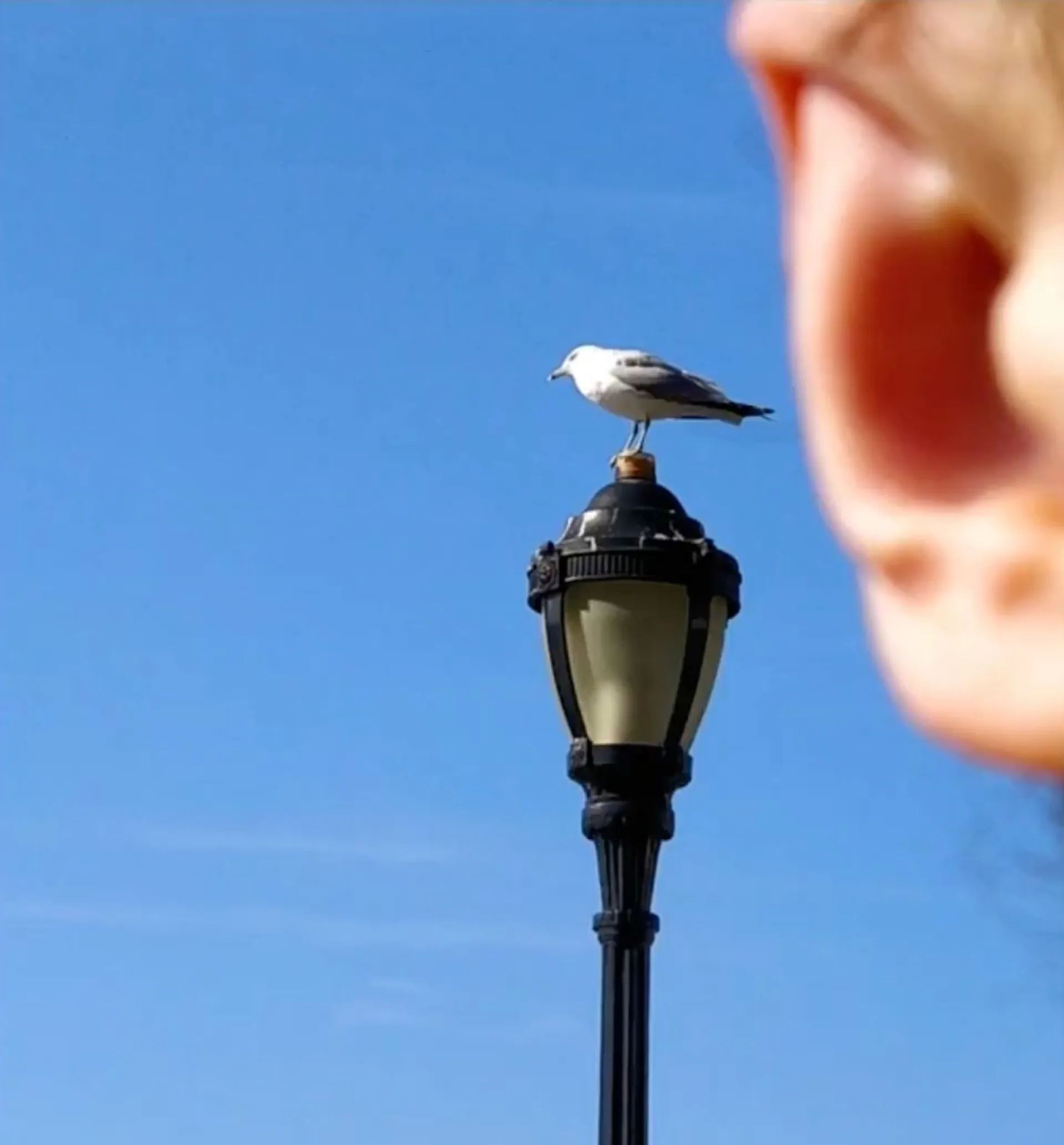
Mortemard’s entry stood out for what the judges described as an “admirable lack of skills and knowledge of basic photography.” Her portfolio included intentionally imperfect images such as a snowy urban scene in Oslo partially obscured by a thumb, a blurred and poorly exposed shot taken toward the Statue of Liberty, and a composition of a seagull on a lamppost awkwardly framed alongside a human ear.
“For years, friends and family have asked why my photos always look disappointing. I’m thrilled to finally have an answer: I was training for this role. This project celebrates imperfection – probably the only photography competition I ever stood a chance of winning,” Mortemard commented.
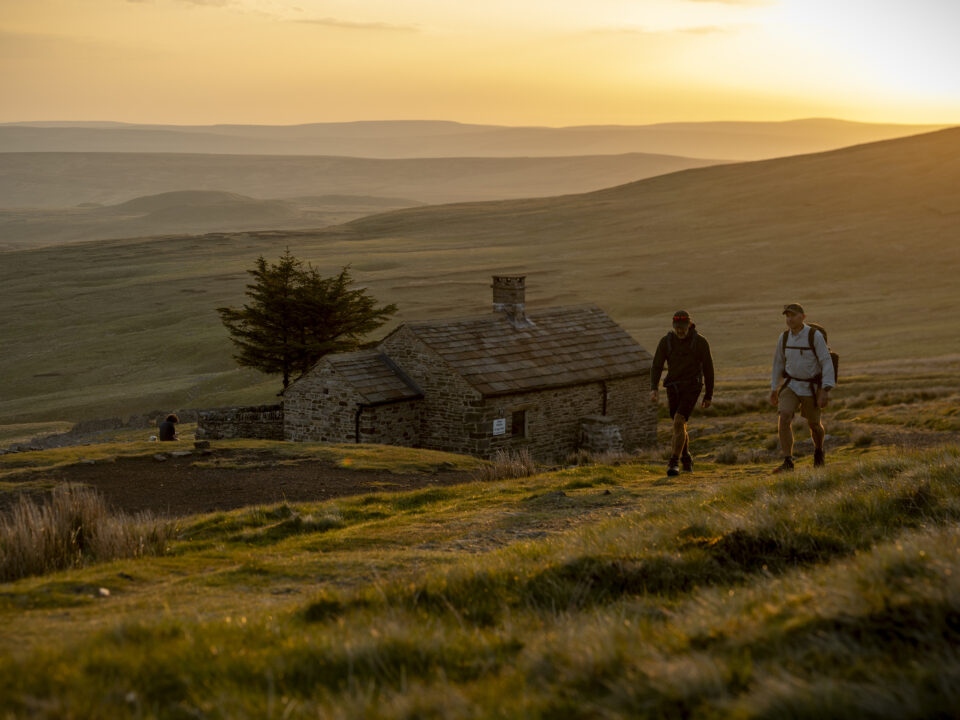
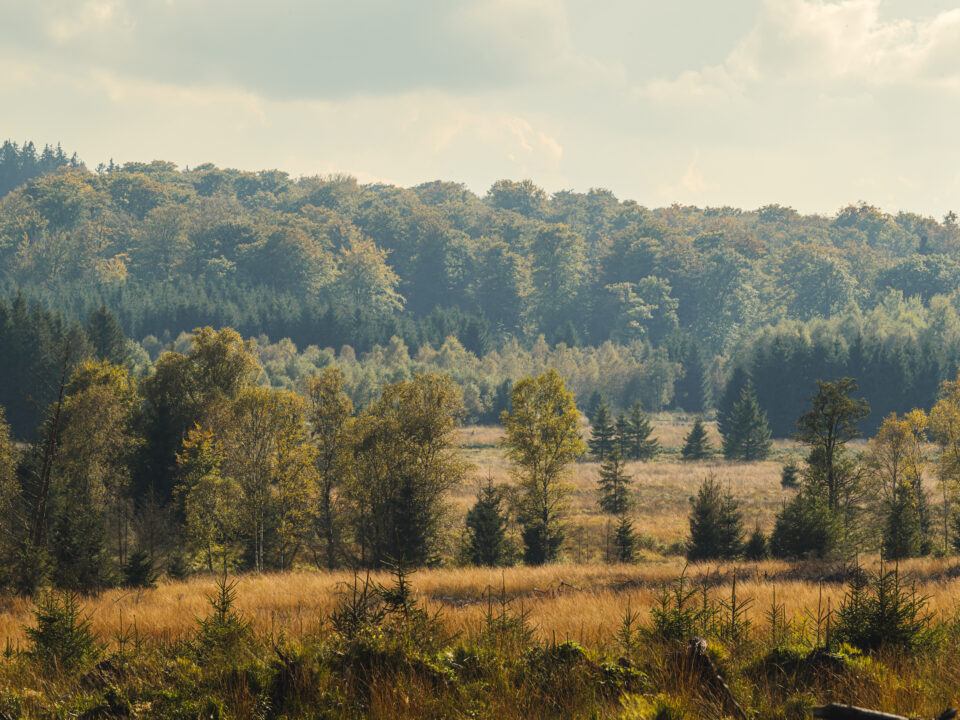
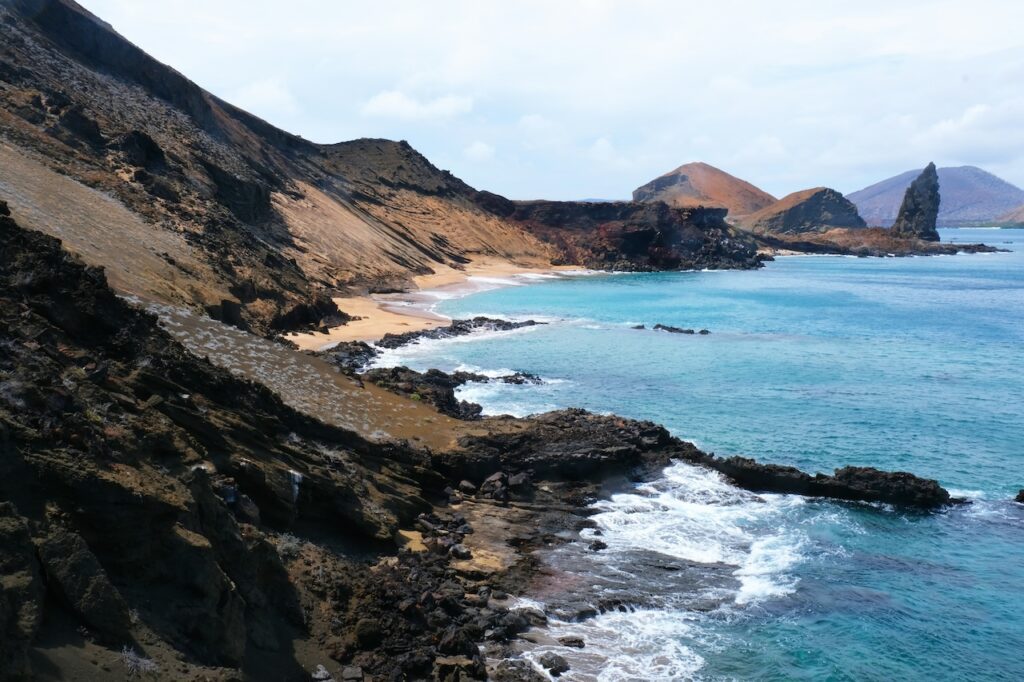
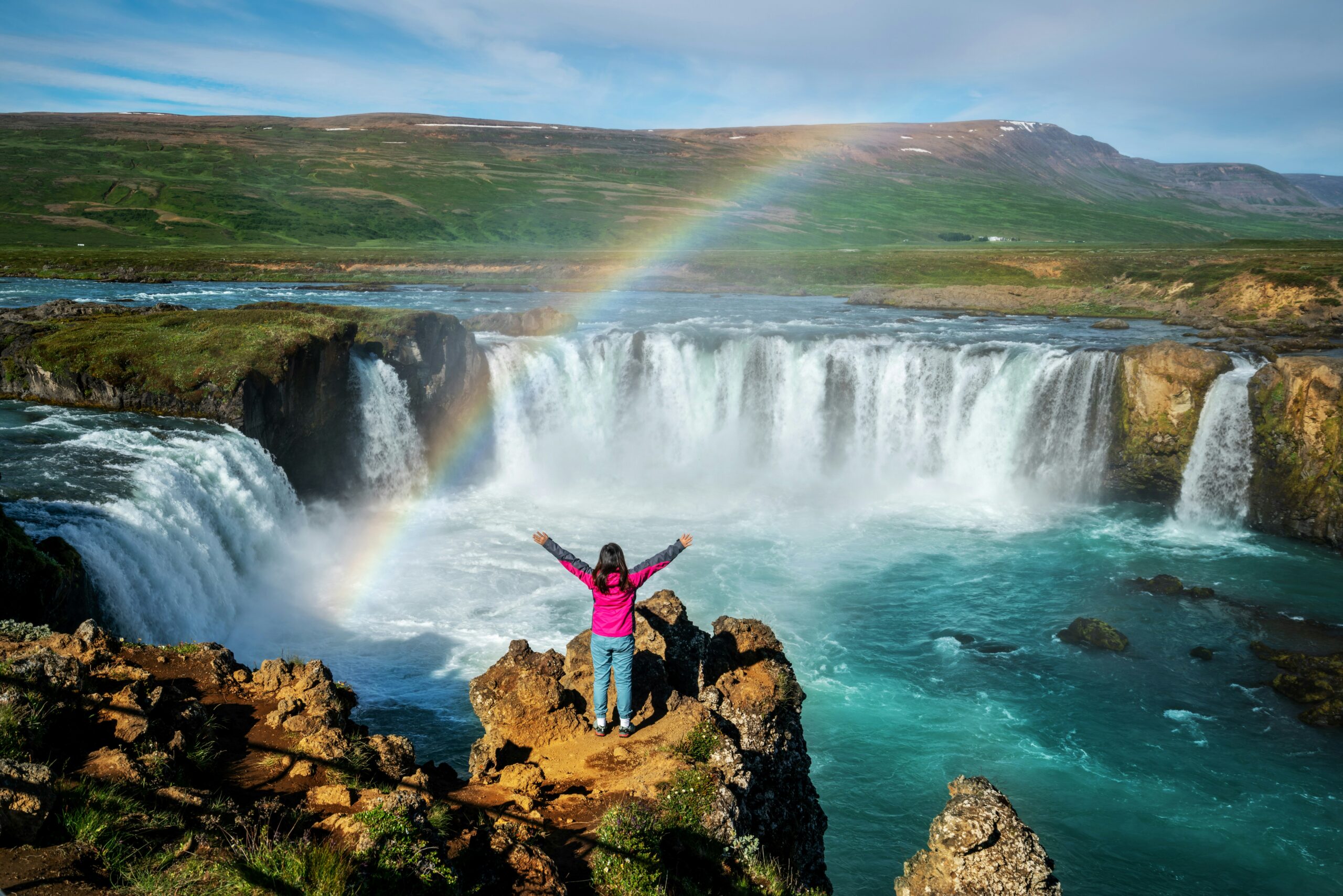
The campaign, which Icelandair says attracted overwhelming global participation, was built around the idea that Iceland is inherently “photogenic.” The airline argued that even an inexperienced or clumsy photographer would struggle to make the country look bad on camera.
“We’re thrilled to have finally found our bad photographer,” said Gísli S. Brynjólfsson, the global director of marketing for the airline. “This project has resonated across the globe because people are tired of manufactured perfection. We really admired people’s courage to embrace authenticity over fakery – that really stuck out among all applicants.”
As part of the prize, Mortemard will travel across Iceland on a 10-day expedition to document the country in her own style, with Icelandair planning to feature the resulting images in its marketing and social media channels. Alongside the travel experience, she will receive $50,000 to cover her work, expenses, and participation in the campaign.
“I’ll be documenting Iceland with the confidence of a professional photographer and the skills of someone who definitely isn’t one,” Mortemard said. “If Iceland can survive being photographed by me, it can survive anything.”
Originally launched earlier in 2026 as a global call for “bad photographers,” the initiative quickly went viral for its unusual concept and high reward.
The massive response to the initiative reflects broader cultural fatigue with overly polished pictures and a growing appreciation for authenticity. As the main point of the competition is not technical mastery, but honest, unfiltered imperfection.