
It’s the new kid on the block in Belgium’s holiday market, but La Hameau de la Semois ticks boxes that many other destinations struggle to match. The new eco-village in the Ardennes combines a strong commitment to sustainability with a social tourism model designed to make holidays accessible to more people.
Developed by Floreal Holidays, the site aims to offer visitors a nature-focused getaway while demonstrating that tourism can be both environmentally responsible and socially inclusive.
Sustainability
La Hameau de la Semois is eco-friendly in almost every sense of the word, hence the “eco-village” label.
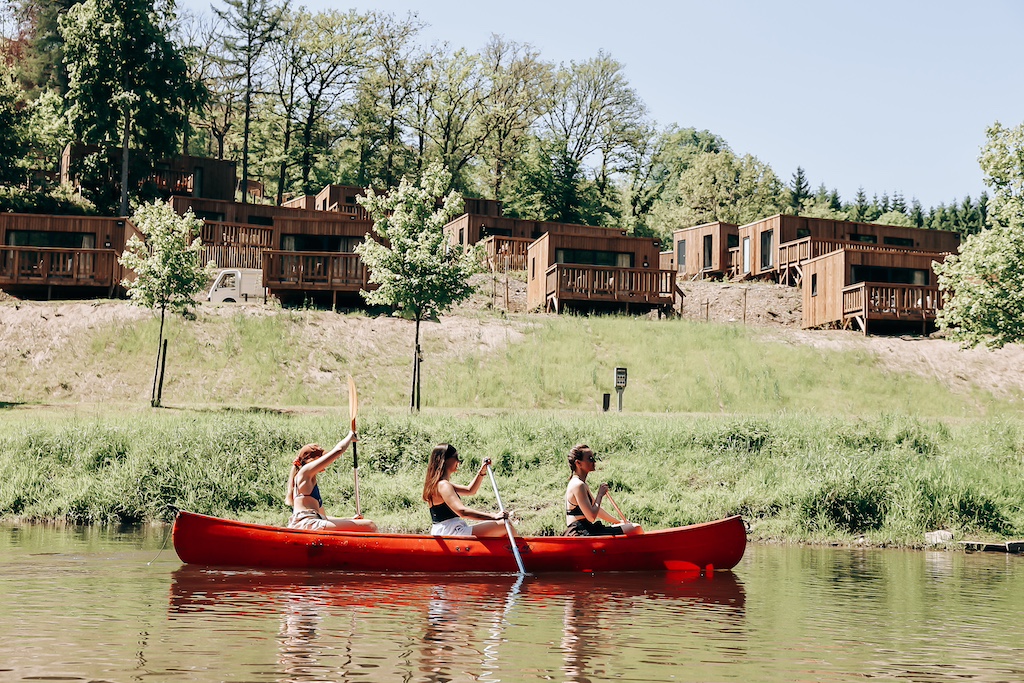
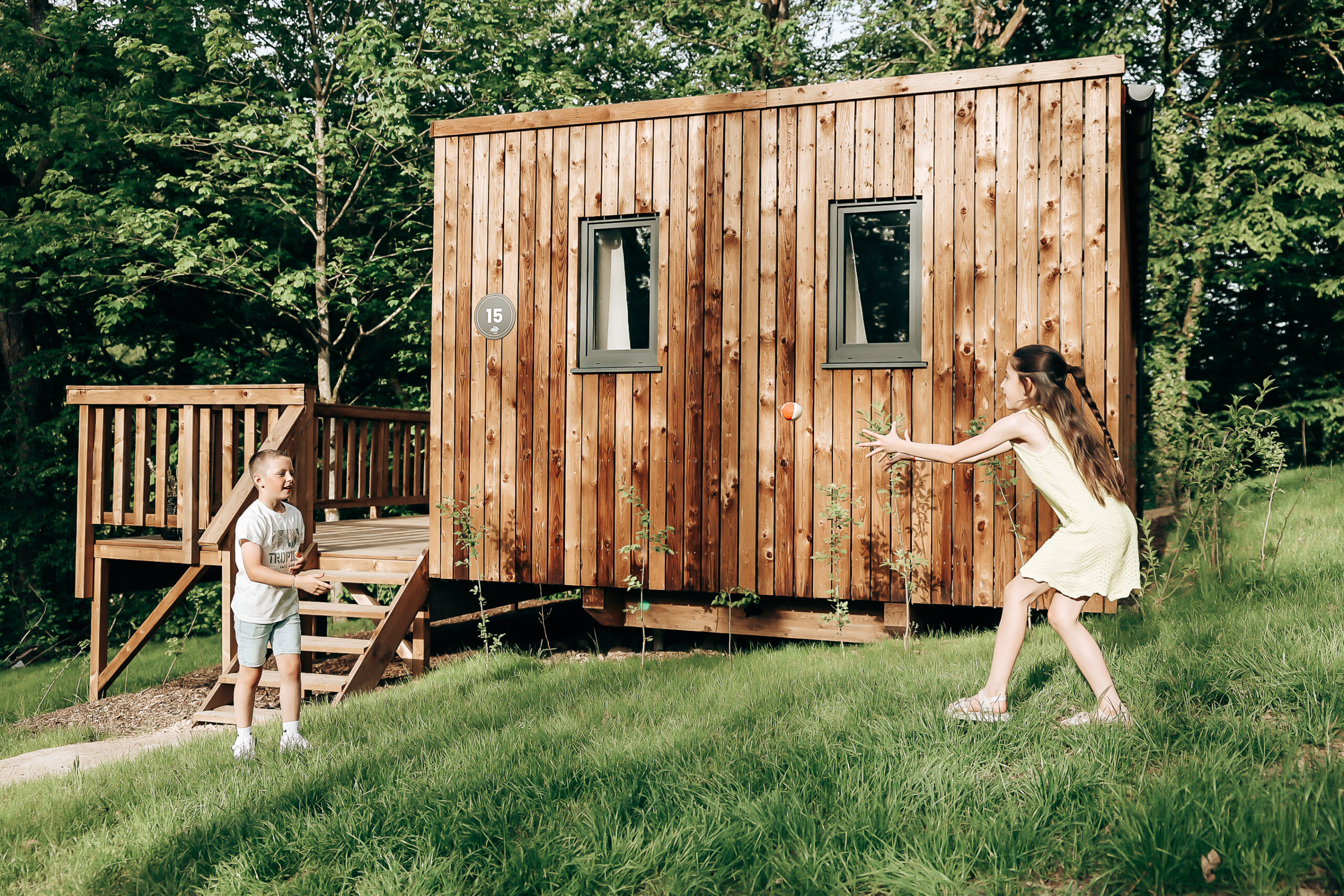
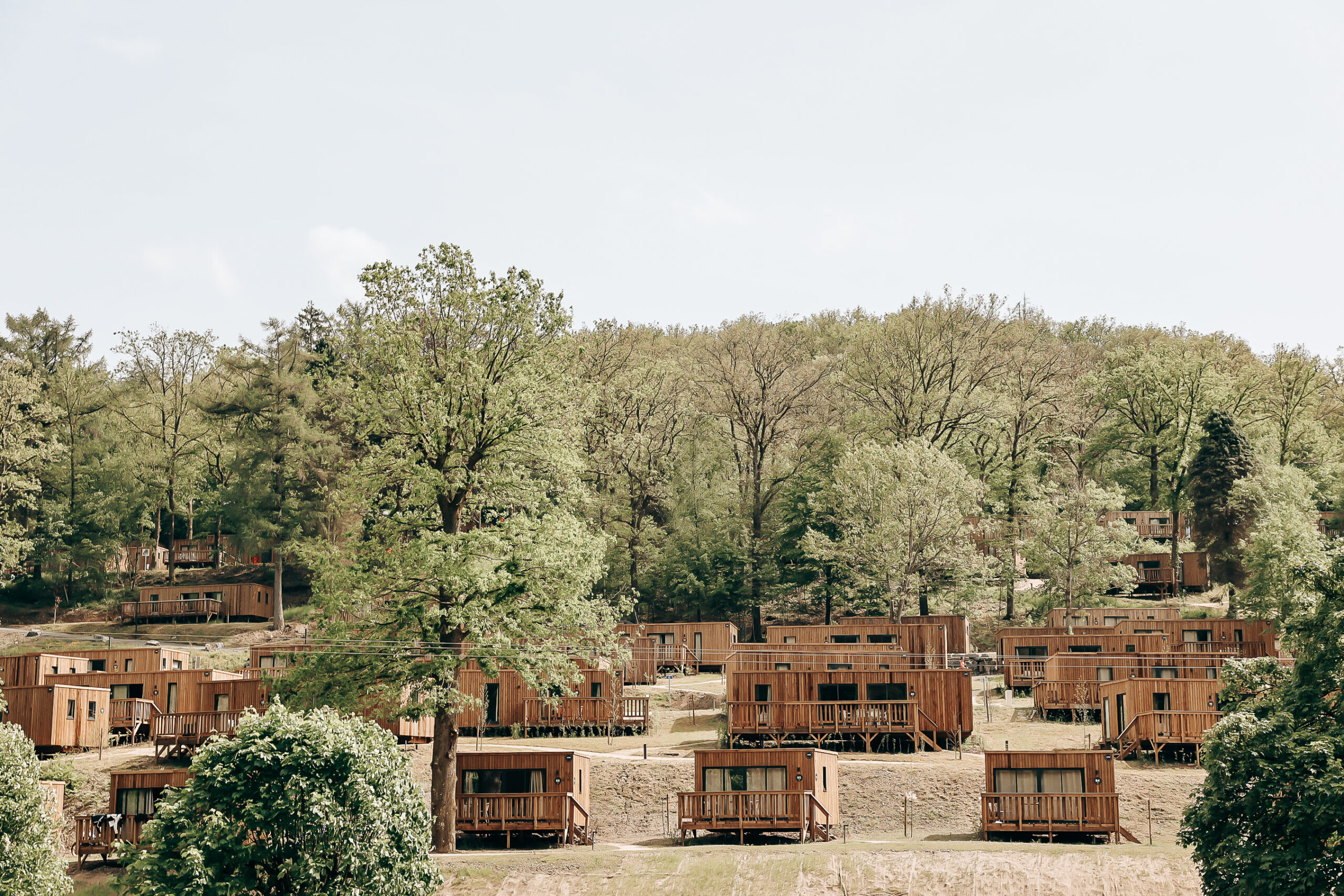
The site comprises 100 all-wood lodges, with the timber sourced locally from the forests of the Belgian Ardennes. Eco-designed and fully demountable should the need ever arise, the lodges embrace a sustainable architectural approach that seeks to minimise environmental impact.
The sustainability theme extends beyond the accommodation itself. Visitors will not find traditional air conditioning systems here, while outdoor lighting is deliberately kept to a minimum during the evening to help preserve the natural surroundings. Eco-friendly products are used throughout the site, and the kitchen also prioritises local and responsible sourcing, including free-range poultry.
Even seemingly small details reflect the site’s environmental philosophy. The flowers displayed across the domain are sourced from a nearby florist rather than picked from the surrounding countryside.
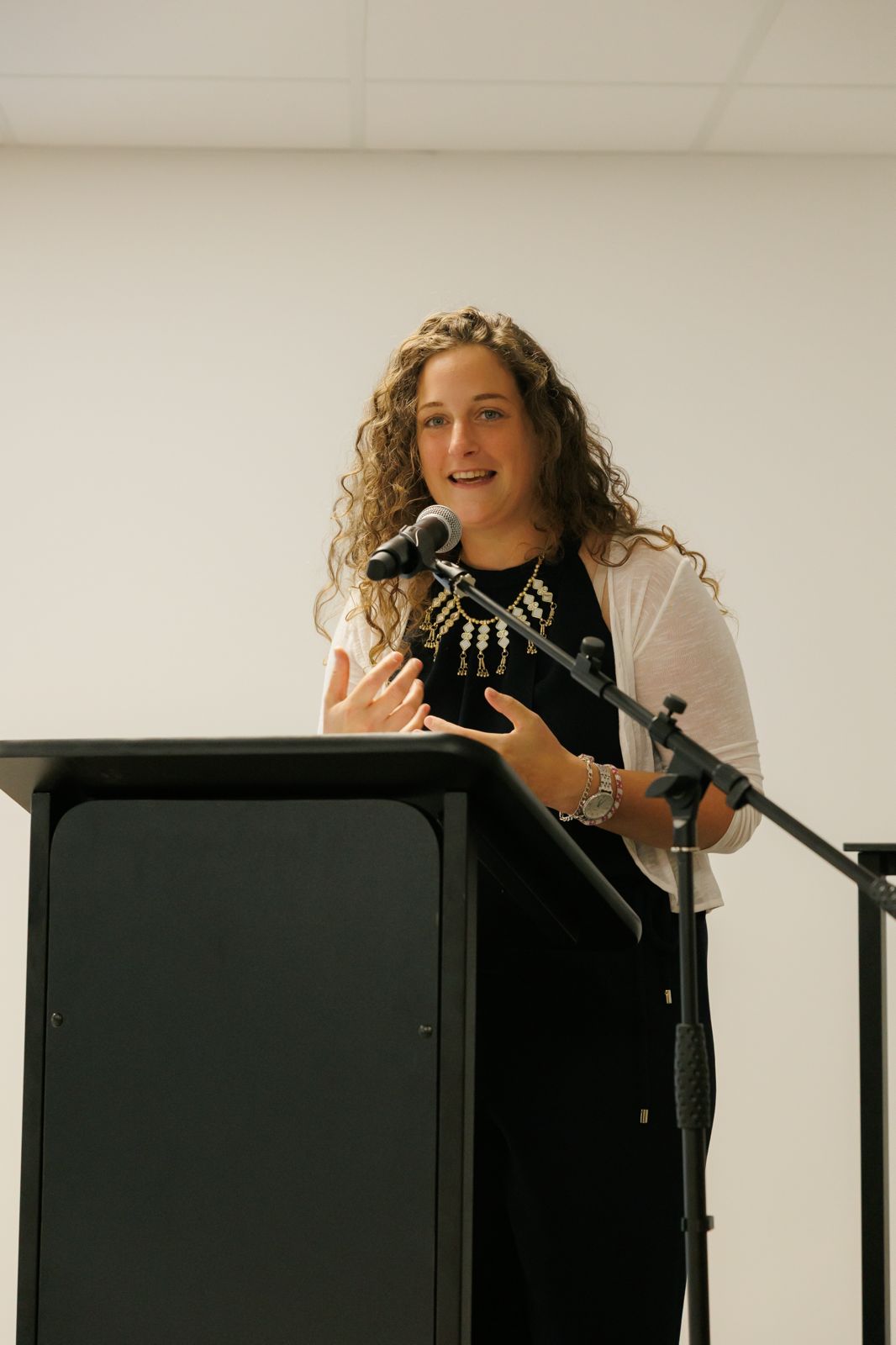
The project’s environmental credentials were highlighted by Marie-Julie Nemery, Mayor of Bouillon, during the official inauguration on 6 June. She noted that, among the various proposals submitted for the redevelopment of the site, Floreal Holidays’ project stood out for its strong sustainability focus.
Social tourism
La Hameau de la Semois is Floreal Holidays’ newest destination, but it represents much more than the opening of another holiday village.
The organisation’s business model is rooted in the concept of social tourism, seeking to ensure that holidays remain accessible to as many people as possible.
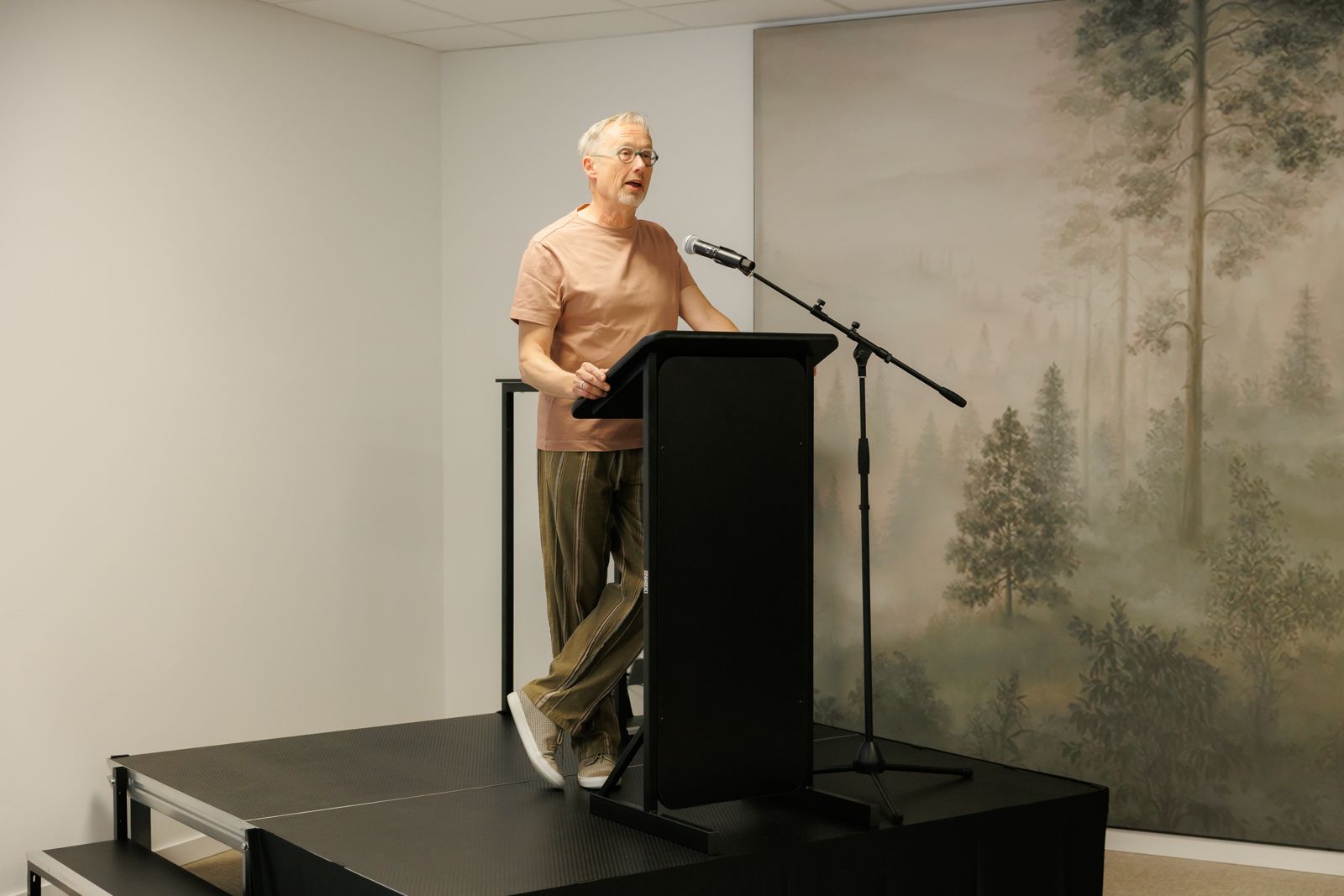
Speaking at the inauguration, Group President Werner Van Heetvelde highlighted a statistic that may surprise many Belgians. According to estimates, around 20% of the population cannot afford even a one-week holiday.
The issue is one that Floreal Holidays has sought to address since its creation. Founded by a Belgian trade union movement in the 1920s, the organisation was established to help make holidays accessible to working families. Through a network of hotels, holiday parks and campsites located along the Belgian coast and in the Ardennes, the organisation continues to pursue that mission today.
Nearly a century later, Van Heetvelde believes the challenge remains just as relevant.
“The aim is to help our members and others enjoy a decent break during the year,” he told Travel Tomorrow.
While acknowledging that such a situation remains an indictment of modern society, particularly in a relatively affluent country such as Belgium, he said it underlines the continuing importance of social tourism initiatives.
A new addition to the family
The new site stands out for the range of accommodation and facilities on offer. The lodges can accommodate between two and six guests. The smallest units resemble comfortable hotel rooms, while five premium lodges include additional features such as sun loungers, bathrobes and welcome amenities.
Prices start at €148 for a two-night stay for two people, while motorhome pitches are available from €19 per night, helping to support the site’s commitment to accessible tourism.
There are also spacious pitches for motorhomes and a dedicated meadow beside the Semois River for tents, complete with electricity and water connections.
One notable feature of the site is Brasserie Halliru. Its culinary consultant, Tristan Martin, trained in several renowned establishments in Belgium and France.
Restaurant manager François Louis said the team is still settling into its new surroundings but believes the venue has significant potential.
“It is all still very new, including the team, but we have a very good product to offer,” he said.
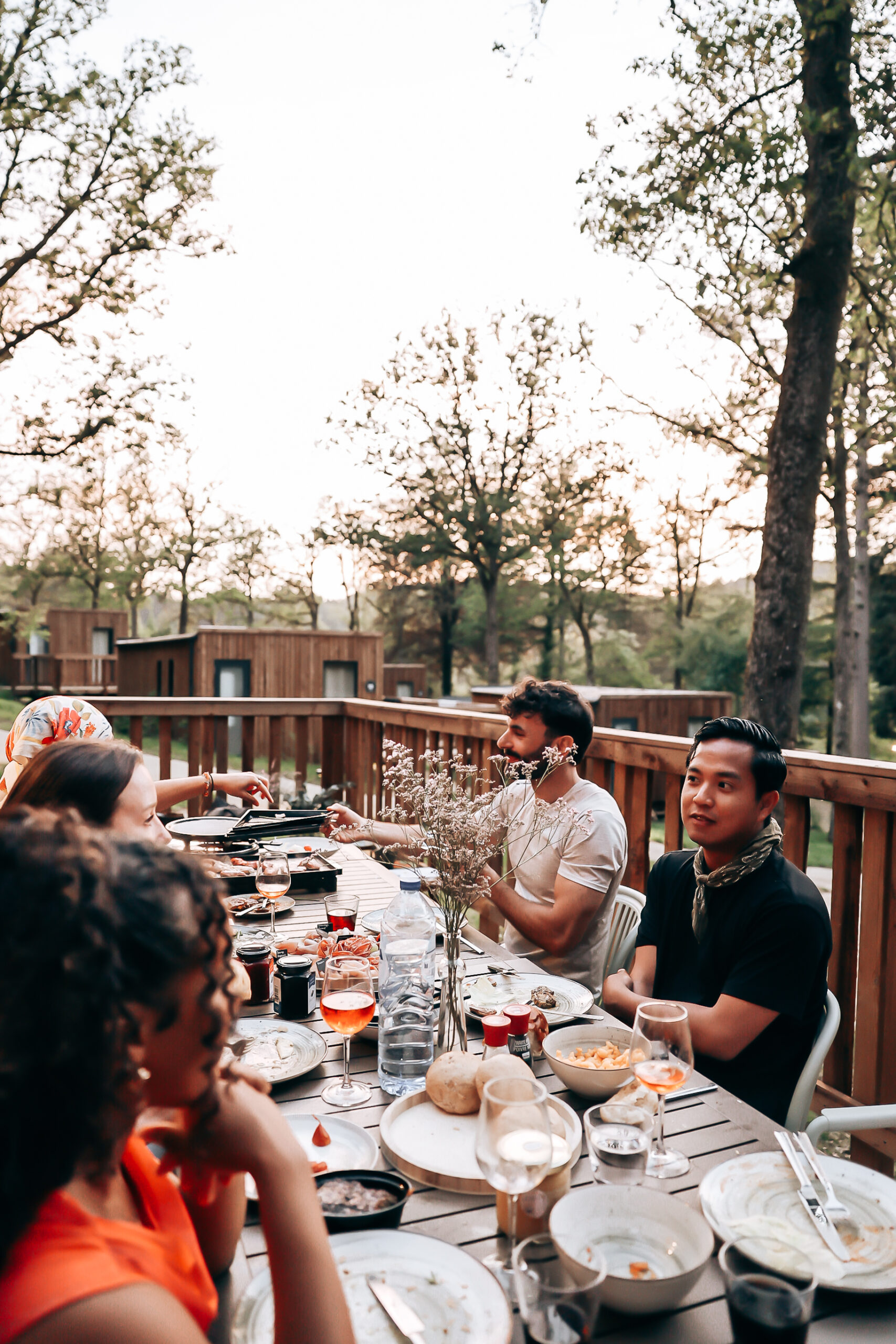
Like many aspects of the park, the restaurant places a strong emphasis on local producers and regional products.
The bar stocks Arduenna, an organic gin produced around 20 kilometres away, alongside Ardennes Spritz, a local artisanal interpretation of the Italian classic. Belgian beer enthusiasts can also sample Rochehaut, brewed less than 10 kilometres from the site.
The menu focuses on Belgian and French classics, including burgers, meatballs and pasta dishes. Open daily during the holiday season from June to September, the restaurant welcomes both park guests and outside visitors.
Things to do
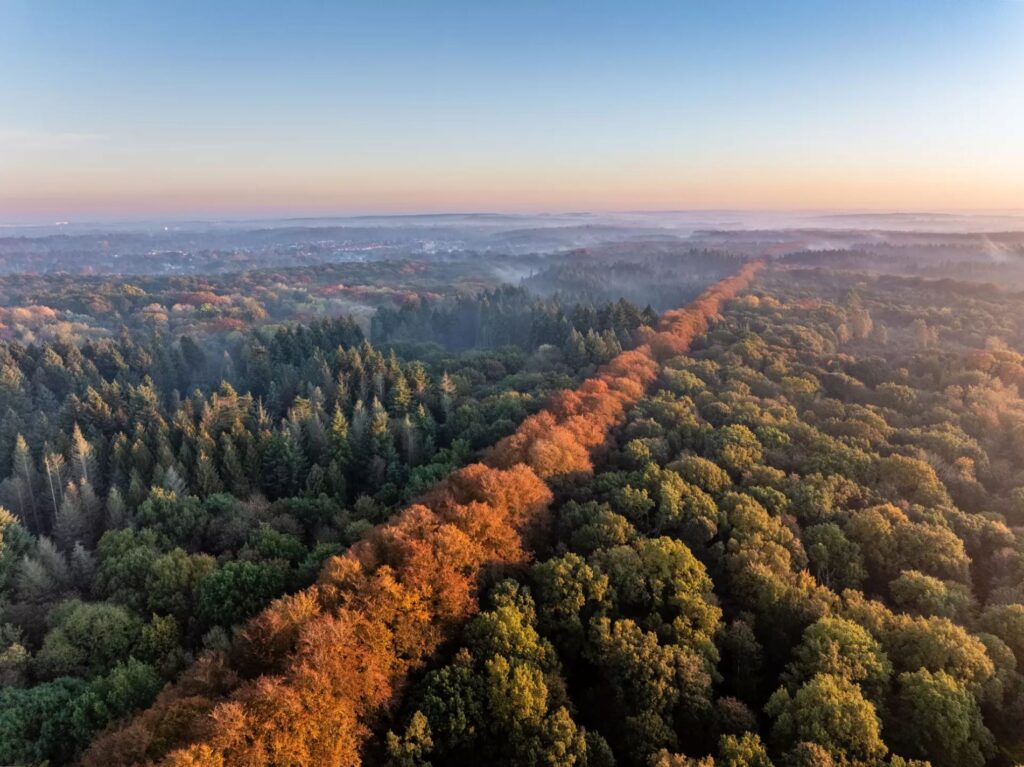
For lovers of the outdoors, the surrounding area offers plenty of opportunities for exploration without requiring exceptional fitness levels.
A walk of around 1.5 kilometres along the Semois leads directly to Bouillon. Visitors are advised to follow the riverside path rather than the winding road, which may be less suitable for pedestrians.
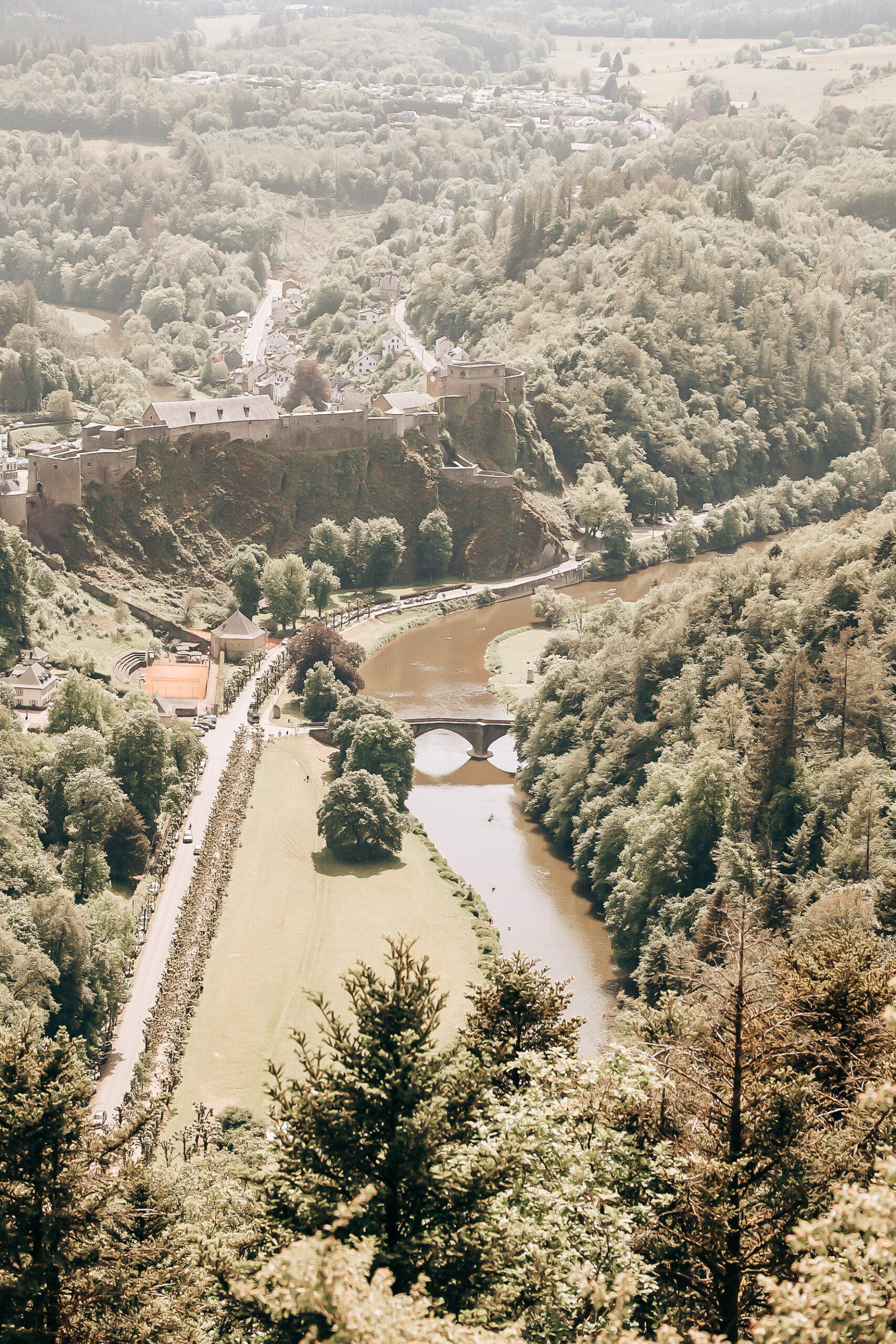
The town’s most famous landmark is its castle, which has dominated the landscape for more than a thousand years. Perched on three rocky peaks overlooking the Semois, the fortress is one of Belgium’s best-known historic sites and attracts around 135,000 visitors annually.
Bouillon itself is worth exploring throughout the year and hosts a popular weekly market every Sunday morning.
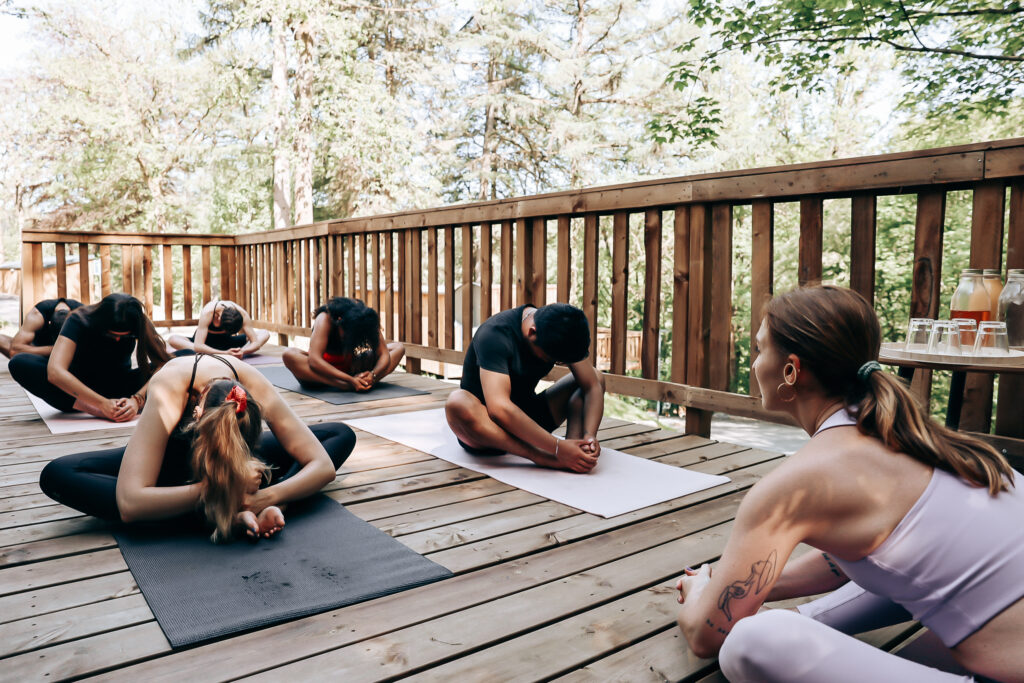
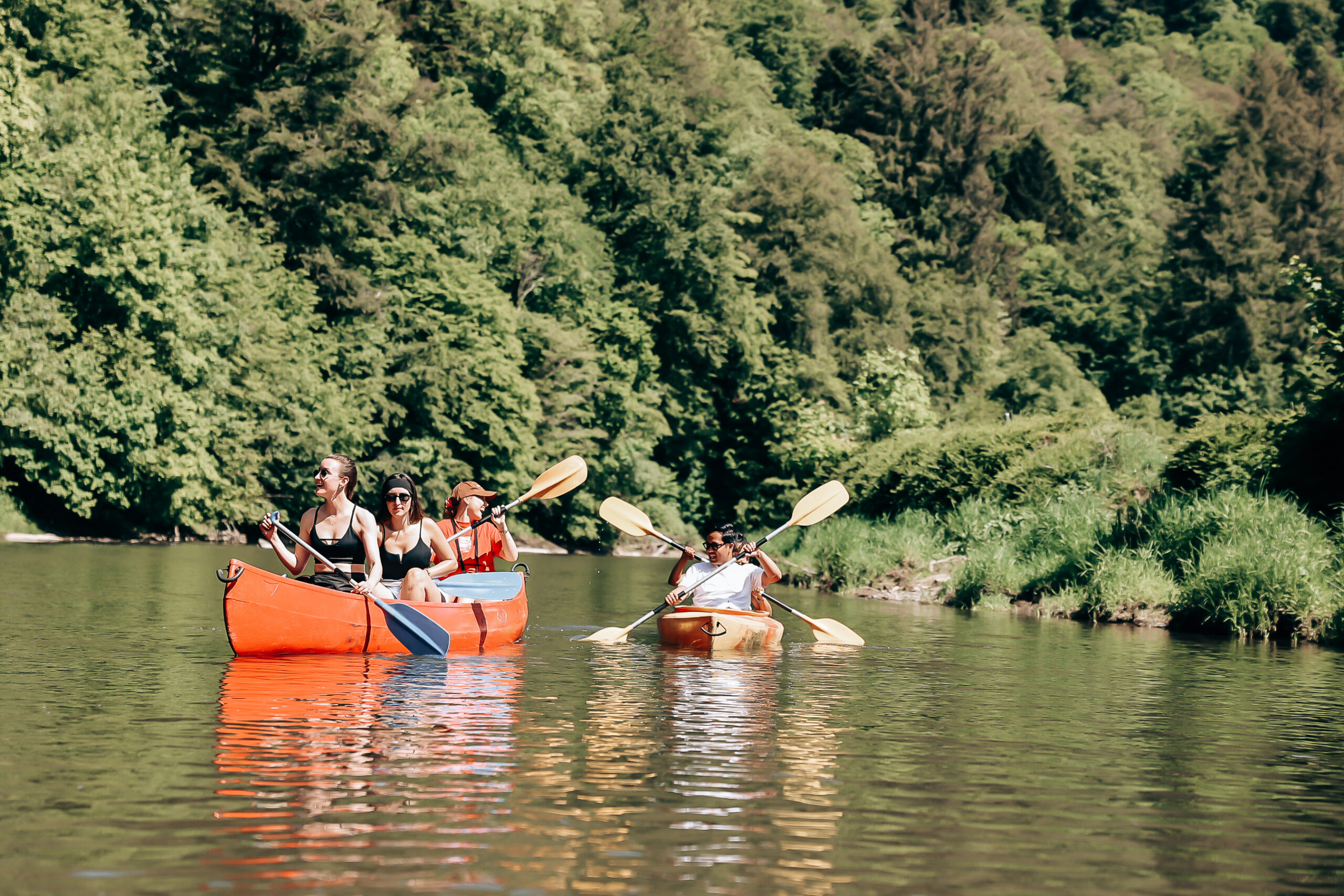
Other activities in the area include kayaking on the Semois and hiking through the surrounding countryside, with information on local routes available from reception. Future plans for the site may also include guided walks and an expanded activities programme for both children and adults.
Located just a few kilometres from the French border, the park attracts visitors from across Europe, although most guests currently come from Flanders and the Netherlands. Since opening, the site has steadily built a reputation among travellers seeking a slower pace of life.
The motto displayed throughout the park is “slow life”. Whether visitors come for the natural surroundings, the sustainability credentials or simply a few days away from everyday pressures, La Hameau de la Semois offers a reminder that tourism can be both environmentally responsible and socially inclusive.
Getting there
La Hameau de la Semois is located around three minutes by car from Bouillon and can be reached from Brussels in approximately one hour and 50 minutes, or around two hours from Antwerp. The route passes through some of the Ardennes’ most attractive landscapes and is easily accessible via Exit 25 of the E411 motorway.