


A groundbreaking artificial intelligence system has given scientists an unprecedented view of how obesity damages the body far beyond fat tissue, uncovering widespread inflammation and previously unknown nerve damage linked to the condition.
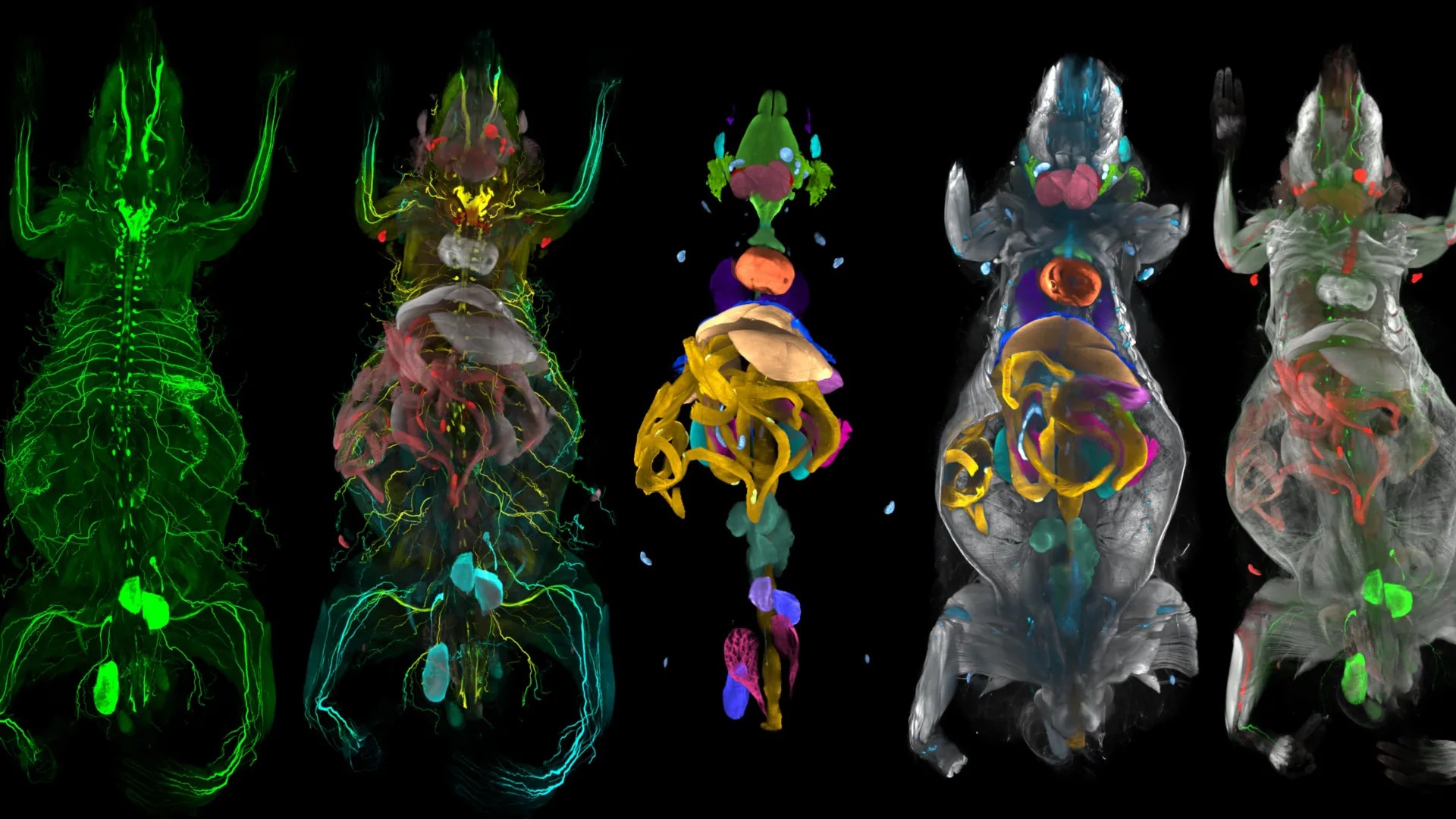
The research, published in the journal Nature, was led by scientists from Helmholtz Munich, Ludwig Maximilian University of Munich and collaborating institutions. The team developed an AI-powered platform called MouseMapper, capable of creating a detailed three-dimensional “atlas” of the entire body at cellular resolution.
Researchers say the technology could transform the study of obesity and other systemic diseases by allowing scientists to analyse the body as a fully interconnected system rather than focusing on individual organs in isolation.
Mapping the entire body in unprecedented detail
To build the atlas, scientists labelled nerves and immune cells in mice using fluorescent markers before applying tissue-clearing techniques that rendered the animals optically transparent while preserving cellular structures.
Using advanced light-sheet microscopy, the team generated high-resolution 3D scans containing tens of millions of cellular structures across the body. MouseMapper then automatically analysed the data, identifying 31 organs and tissue types while mapping immune cells, nerves and anatomical regions simultaneously.
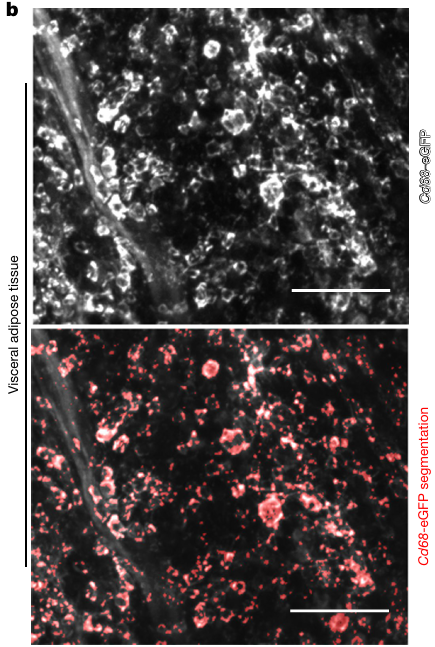
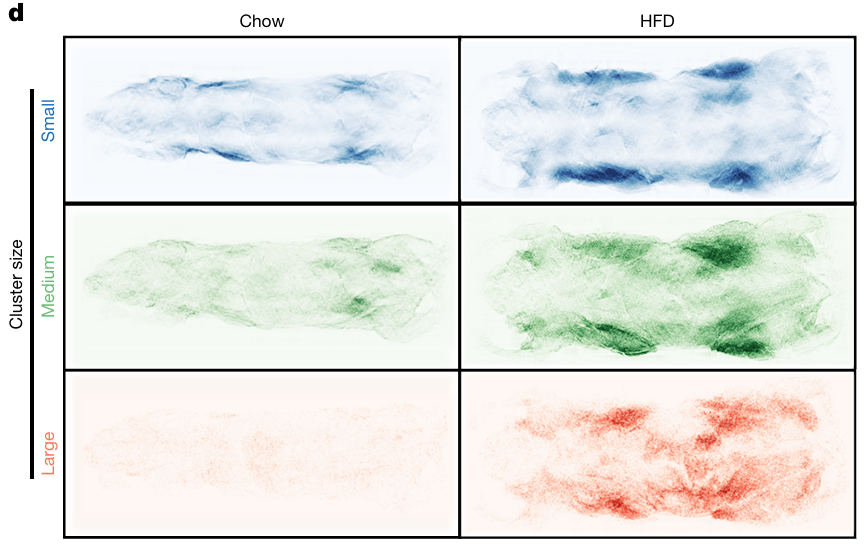
According to the researchers, the system enables scientists to detect inflammation and structural damage across multiple organs without preselecting areas of interest.
“MouseMapper is built on a foundation model, which means it generalises far beyond the data it was originally trained on,” said Ying Chen, co-first author of the study.
Obesity found to damage facial nerves
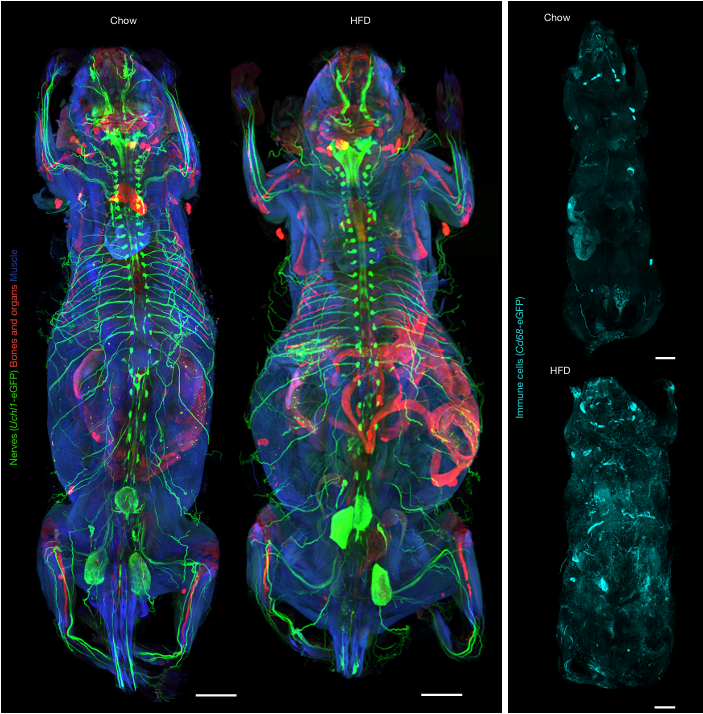
The team tested the platform on mice fed a high-fat diet that induced obesity and metabolic dysfunction similar to that seen in humans.
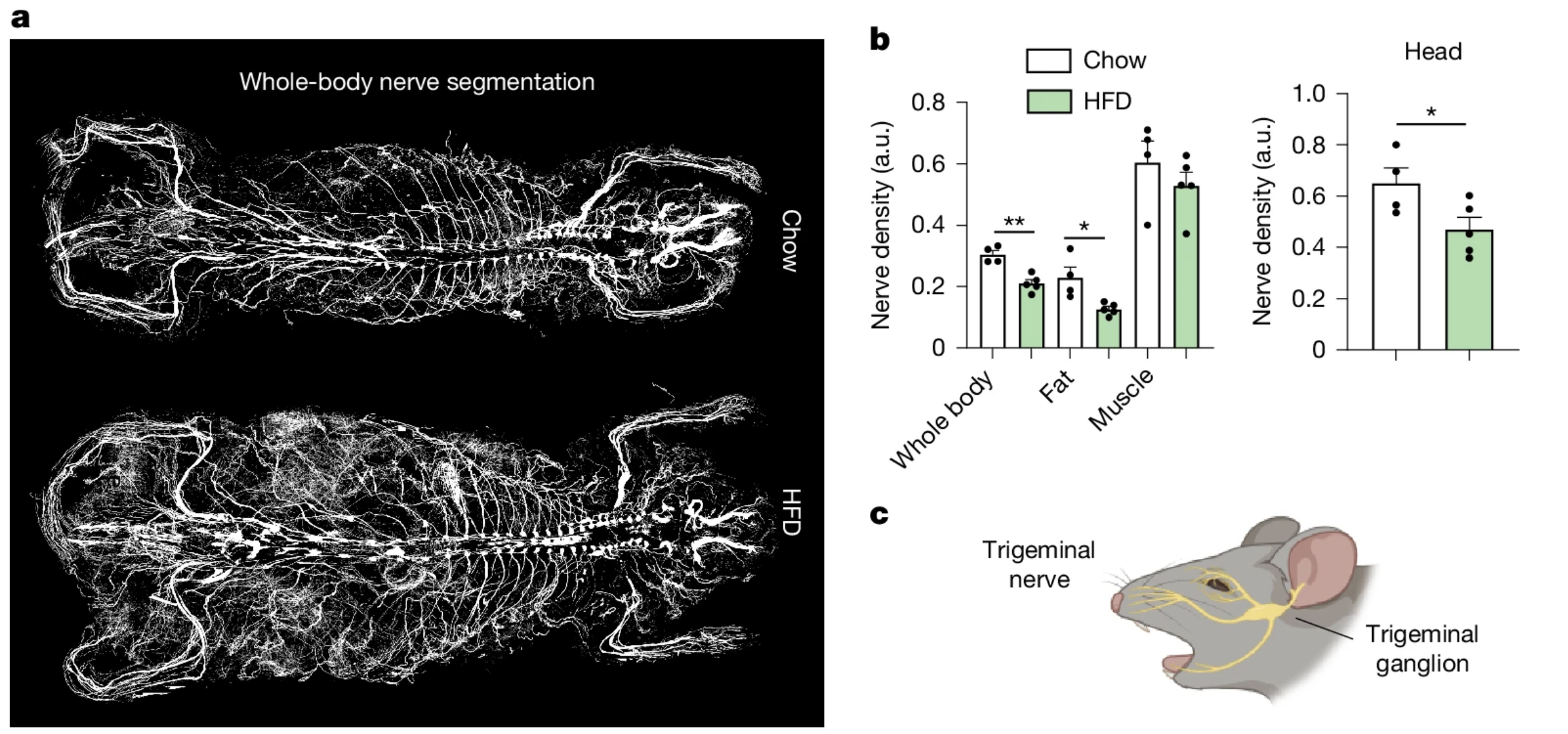
The AI atlas revealed widespread inflammation and tissue alterations across fat, muscle, liver and peripheral nerves. However, one of the most striking discoveries involved the trigeminal nerve, a major facial nerve responsible for sensation and motor functions.
Researchers found that obese mice had significantly fewer nerve endings and branches in this region, suggesting impaired sensory function. Behavioural experiments confirmed that the animals responded less to touch and sensory stimulation compared with lean mice.
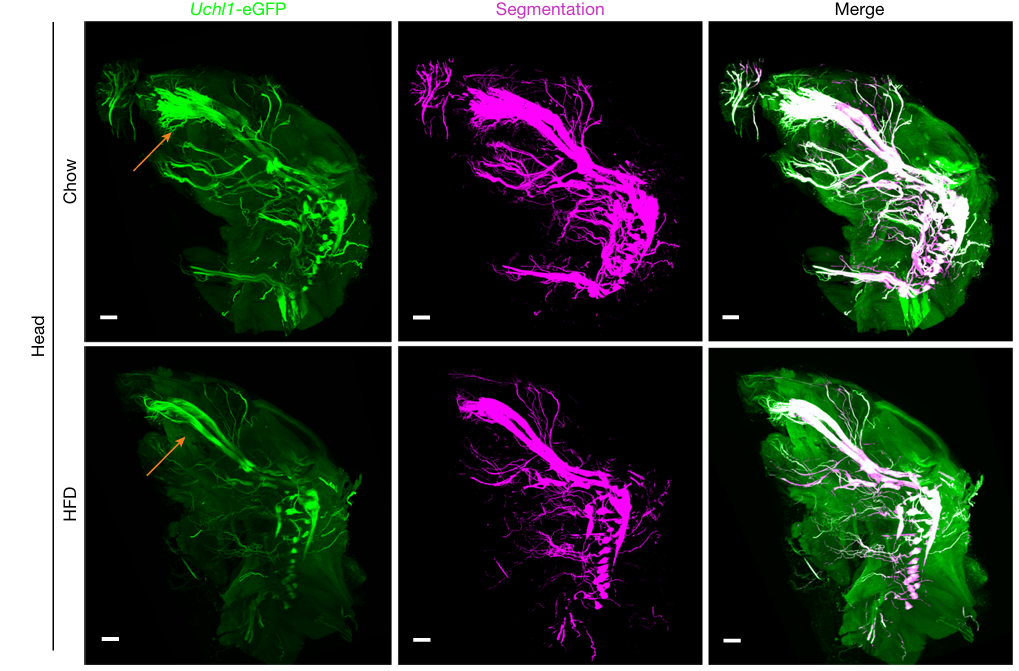
Scientists then examined the trigeminal ganglion, which contains the cell bodies of facial sensory neurons. Using spatial proteomics, they identified molecular changes linked to inflammation and nerve remodelling.
Remarkably, many of the same molecular signatures were also detected in tissue samples from people with obesity, suggesting that the nerve damage observed in mice may also occur in humans.
“We revealed previously unknown structural and molecular changes in the trigeminal ganglion and its facial branches, and the same molecular signature was conserved in human tissue,” said Dr Doris Kaltenecker, senior scientist at the Institute for Diabetes and Cancer at Helmholtz Munich and first author of the study.
“This kind of finding simply cannot emerge from studying one organ at a time,” she added.
Towards digital twins and faster drug discovery
The researchers believe MouseMapper could revolutionise the study of complex diseases that simultaneously affect multiple organ systems, including diabetes, cancer, neurodegenerative diseases and autoimmune disorders.
The team’s long-term ambition is to develop highly detailed “digital twins” of organisms, allowing scientists to simulate disease progression and test treatments computationally before moving to laboratory experiments.
Such technology could significantly accelerate drug discovery while also reducing the need for animal testing.
“Our goal is to create a comprehensive framework for understanding how diseases affect the body as an interconnected system,” said Professor Ali Ertürk, director of the Institute for Biological Intelligence at Helmholtz Munich and professor at LMU Munich.
“Our long-term vision is to build truly realistic digital twins of mice in health and disease: cell-level atlases that we can query, perturb and screen computationally,” he said.
The researchers have also made the whole-body datasets publicly available online, enabling scientists around the world to further investigate how obesity reshapes tissues and organ systems.