


Three more European capital cities are set to benefit from a record-breaking, direct train connection again, according to a recent announcement from Danish train firm DSB, Germany’s Deutsche Bahn, and Norway’s Vy.
The new service will run year round, with two departures a day, between Oslo and Berlin, with stops (in north to south order) in Moss, Fredrikstad, Sarpsborg, Halden, Trollhättan, Gothenburg, Halmstad, Helsingborg, Lund, Malmo, Copenhagen airport and Copenhagen H, Odense, Kolding, Padborg, Hamburg, and Berlin.
Crossing four countries, from Norway, to Sweden, Denmark, and Germany, the complete journey is expected to take between 14 and 15 hours but will be slashed by an hour and a half when the new Fehmarn Belt tunnel between Germany and Denmark opens. That’s set for 2029 at the earliest but is more likely to be sometime in 2031, meaning the train service, which is slated to launch in 2028, could operate for up to three years with the longer duration. Ahead of that, a shorter version of the trip between Hamburg and Copenhagen will start as soon as winter 2027.
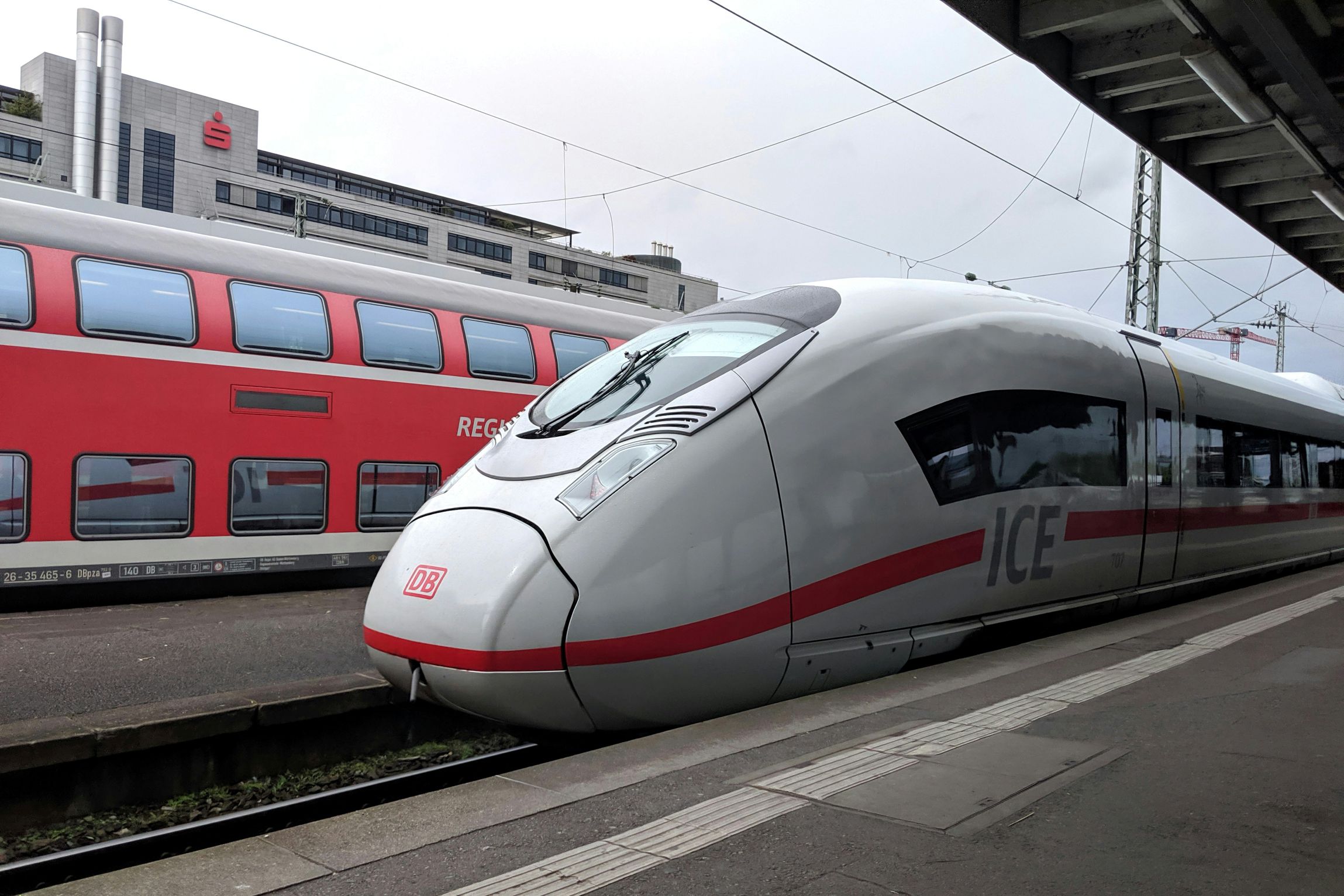
The DSB, Deutsche Bahn, Vy partnership will mark the first time in two decades that passengers will be able to make this trip by rail with no changes. Boarding the ICE L trains, travellers will be able to take advantage of the “L” or “low” floor, giving step-free access, while the carriage configuration provides for a restaurant car and family section, as well as first class options if desired.
Gro Bakstad, CEO of Vy, said: “It is fantastic that we are now getting a new, fixed train route in place between Oslo, Copenhagen, Hamburg, and Berlin. The collaboration with DSB and Deutsche Bahn means that we will be able to connect Norway more closely to Europe, and in the long term, this could open up direct trains to more European cities.”
Meanwhile, Michael Peterson, CEO of DB Fernverkehr, pointed to current oil costs and carbon emissions concerns as reasons why rail travel is becoming more and more popular. “If you want to experience Europe, jump on the train!” he said, noting: “With high fuel prices, long-distance trains are a good alternative to cars and planes. With the new, international route from Berlin via Copenhagen to Oslo, we are connecting Northern Europe and three capitals by train.”
And Flemming Jensen, CEO of DSB highlighted the record-breaking aspect of the connection. “We are proud that, together with Vy and DB, we will soon be able to offer one of the longest train routes in Europe,” he said. “This is not something we can achieve on our own – strong rail connections in Europe depend on strong partnerships between railway companies.”