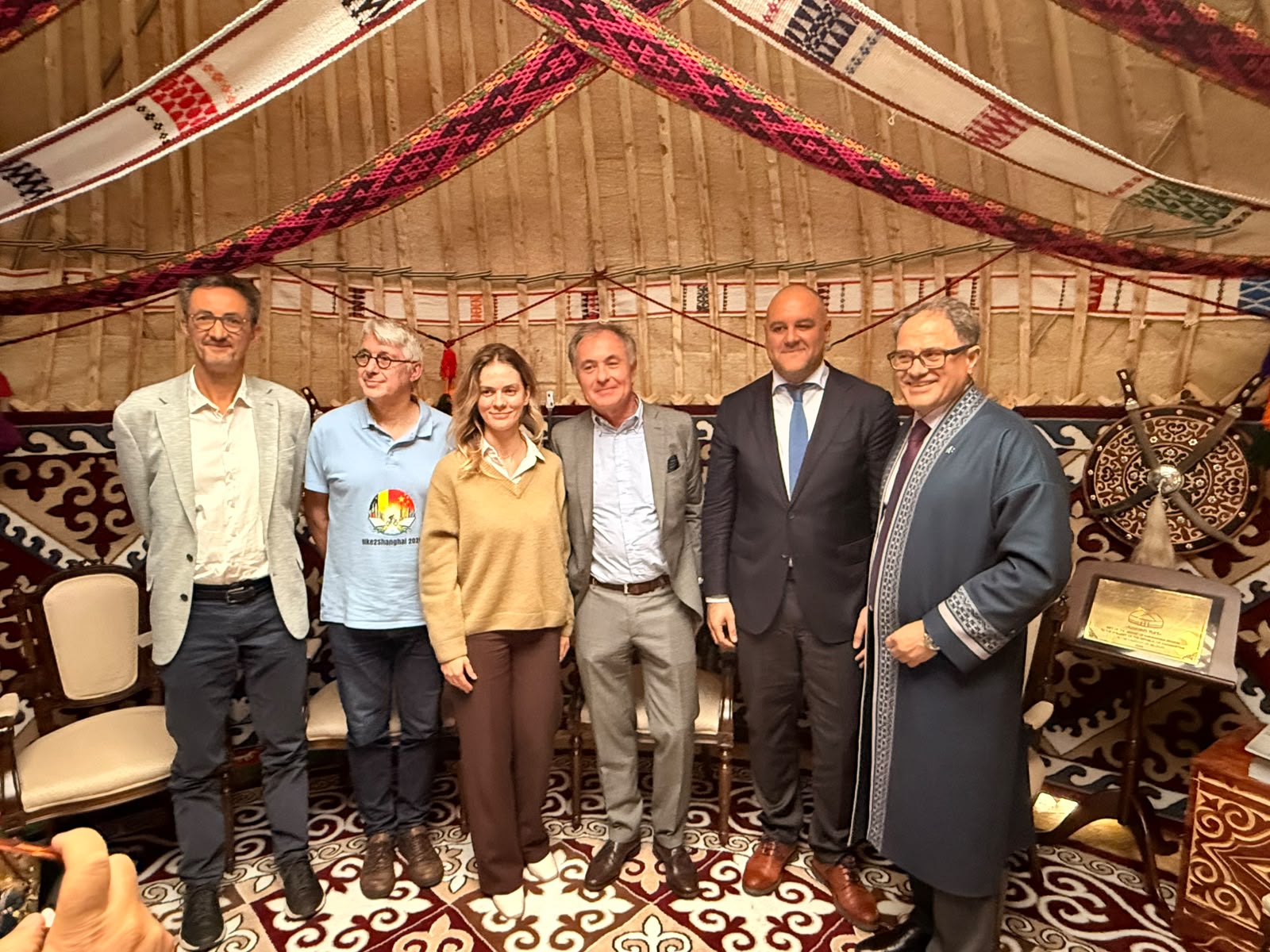



Kazakhstan is increasingly appearing on the radar of European travellers looking for destinations beyond mass tourism. On 20 May 2026, this interest was discussed in Brussels during the second edition of the Shanyraq Dialogues, titled “Silk Road Beyond Stereotypes: Real Stories of Travel Across Kazakhstan.” The gathering took place in a traditional Kazakh yurt, where guests exchanged travel stories and personal impressions of the country. The focus quickly moved away from formal presentations and towards lived experiences, personal encounters, and moments of discovery.
Kazakh Ambassador Roman Vasilenko underlined Kazakhstan’s position as a country shaped by geography and history. He pointed to its landscapes, cultural heritage, and historical identity as central elements of its tourism appeal. “Europe is increasingly discovering Kazakhstan today, not only as a modern state and a transit bridge between East and West, but also as the heir of the great Golden Horde civilisation, which played a crucial role in the history of Eurasia,” he said.
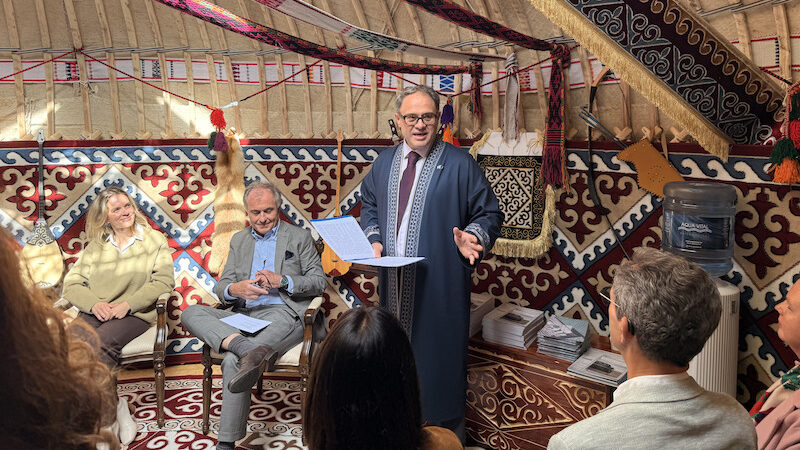
This shift has contributed to a growing curiosity about the country, sometimes informally described online as “Kazakh-boo,” reflecting a light and playful fascination with its culture and landscapes. “Kazakhstan is increasingly appearing in the European digital space through travel videos, gastronomy, music, and the aesthetics of nomadic culture, with younger audiences discovering it through social media rather than traditional media narratives,” said Antonio Buscardini, Editor-in-Chief of Travel Tomorrow who moderated this session.
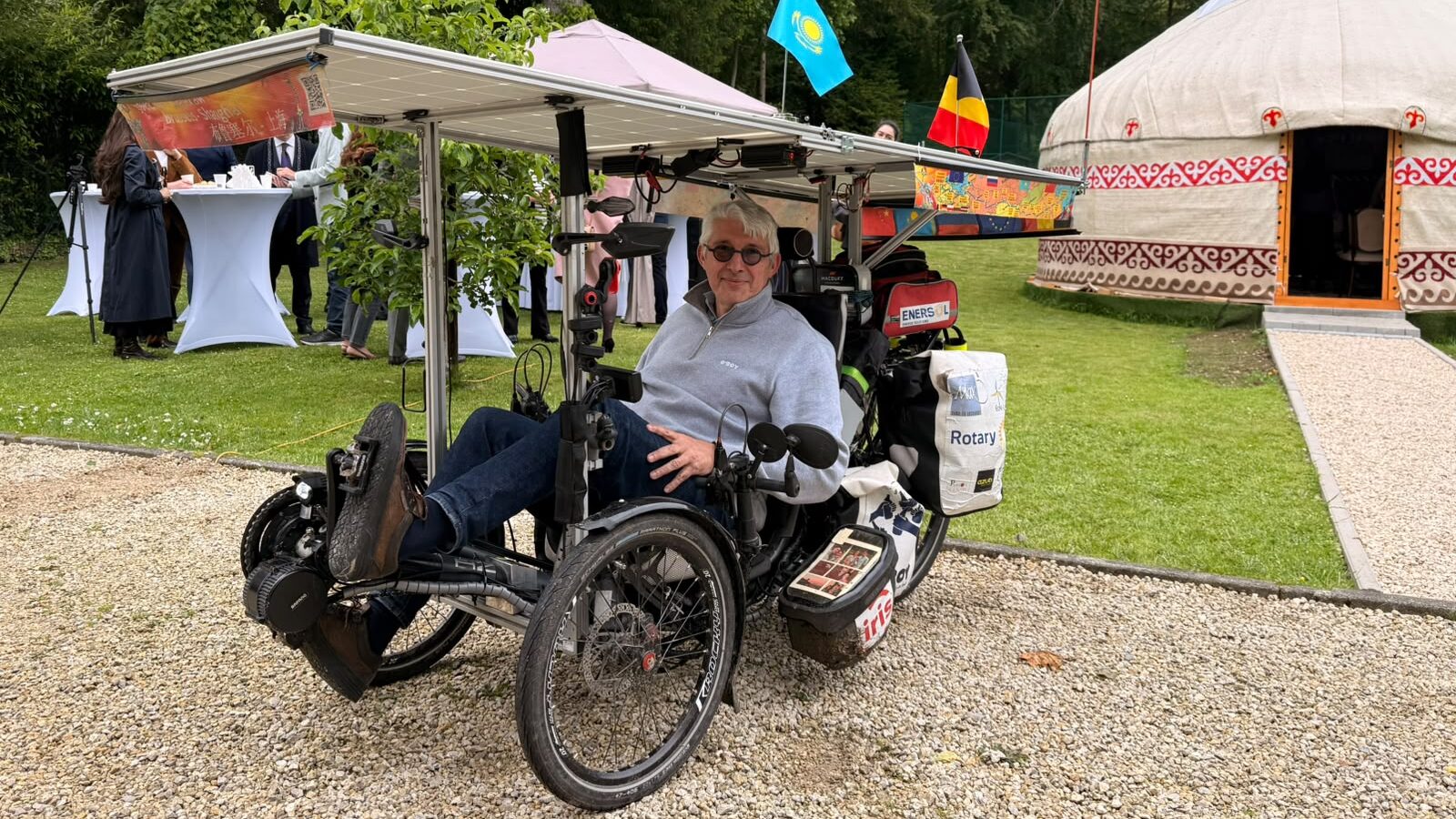
Belgian cyclist Claude Brouir shared how his journey across Kazakhstan changed his expectations of the country. While cycling towards Shanghai, he crossed vast regions of Kazakhstan and was repeatedly surprised by the warmth of local encounters. At one point, he recalled being stopped on the road by locals who began playing traditional music for him, turning an ordinary moment of travel into an unexpected cultural exchange. He described how hospitality became a constant part of his experience, with people regularly offering help, conversation, or tea along the way.
He also admitted that before arriving in Almaty he had assumed that a seven-day stay would be far too long, but quickly discovered the city offered far more than expected, from mountain access to cultural sites and everyday urban life.
Sven Hoyaux, Editor-in-Chief of Porschist magazine, also shared personal impressions from his travels across the country. Beyond landscapes and cities, he recalled a moment during a magazine photoshoot involving a Kazakh participant who fully embraced the experience. She was deeply proud to take part and eager to showcase her traditional clothing. According to Hoyaux, her enthusiasm and pride in her cultural identity created a particularly touching moment during the shoot. It highlighted how cultural heritage in Kazakhstan is not staged for visitors but actively lived and expressed with pride.
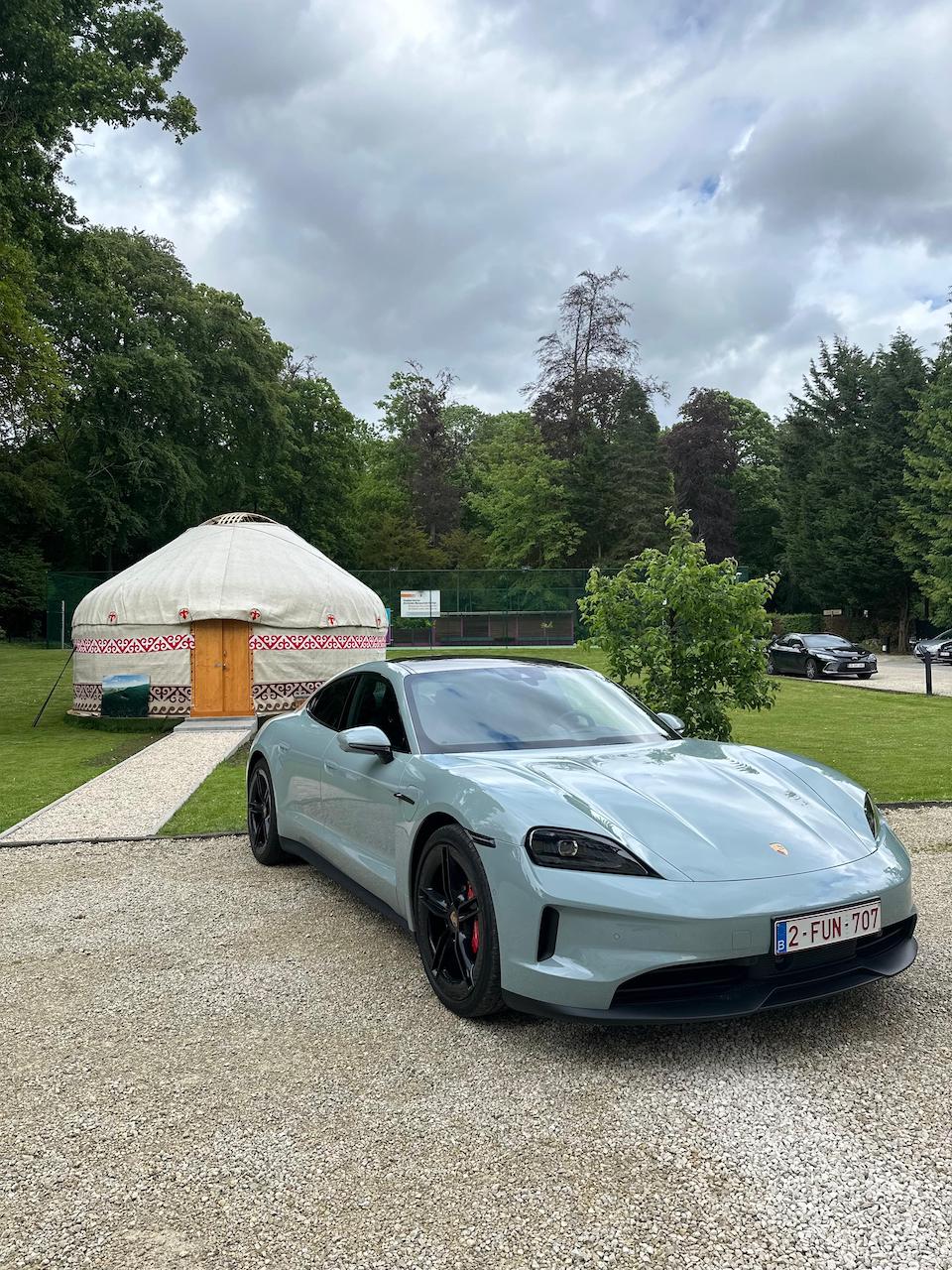
For the occasion, a Porsche was also displayed outside the traditional yurt hosting the event, a collaboration linked to Porschist magazine, which drew attention from guests due to the unusual contrast between the iconic sports car and the cultural setting.
Kazakhstan has also gained visibility through international media productions such as Pékin Express, which filmed episodes in the country, including in the Katarkol area, known for its vast steppe landscapes and open horizons. Producer Inga Chumakova described how striking the landscapes were during filming, and how the team wondered why the format had not discovered Kazakhstan earlier.
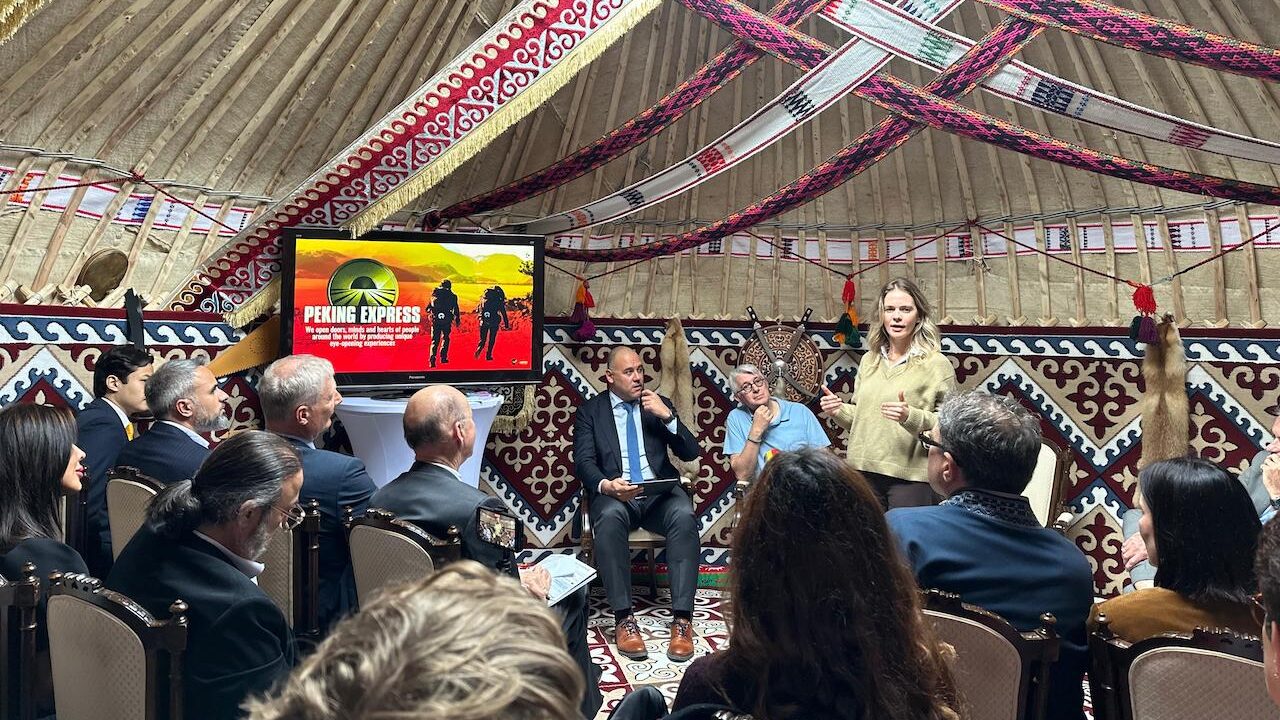
The crew and participants passed through remote regions where long distances and wide natural spaces shaped the rhythm of the journey. At the same time, they were particularly moved by the hospitality they encountered along the way, which often turned logistical challenges into moments of human connection. These impressions contributed to a strong and memorable portrayal of the country for television audiences.
Travellers who have explored the country often emphasise that Kazakhstan requires time, openness, and curiosity. Distances are vast, but so are the opportunities for discovery. From the green foothills of Almaty to the modern skyline of Astana and the endless steppe in between, the country offers a layered experience that continues to surprise many European visitors.