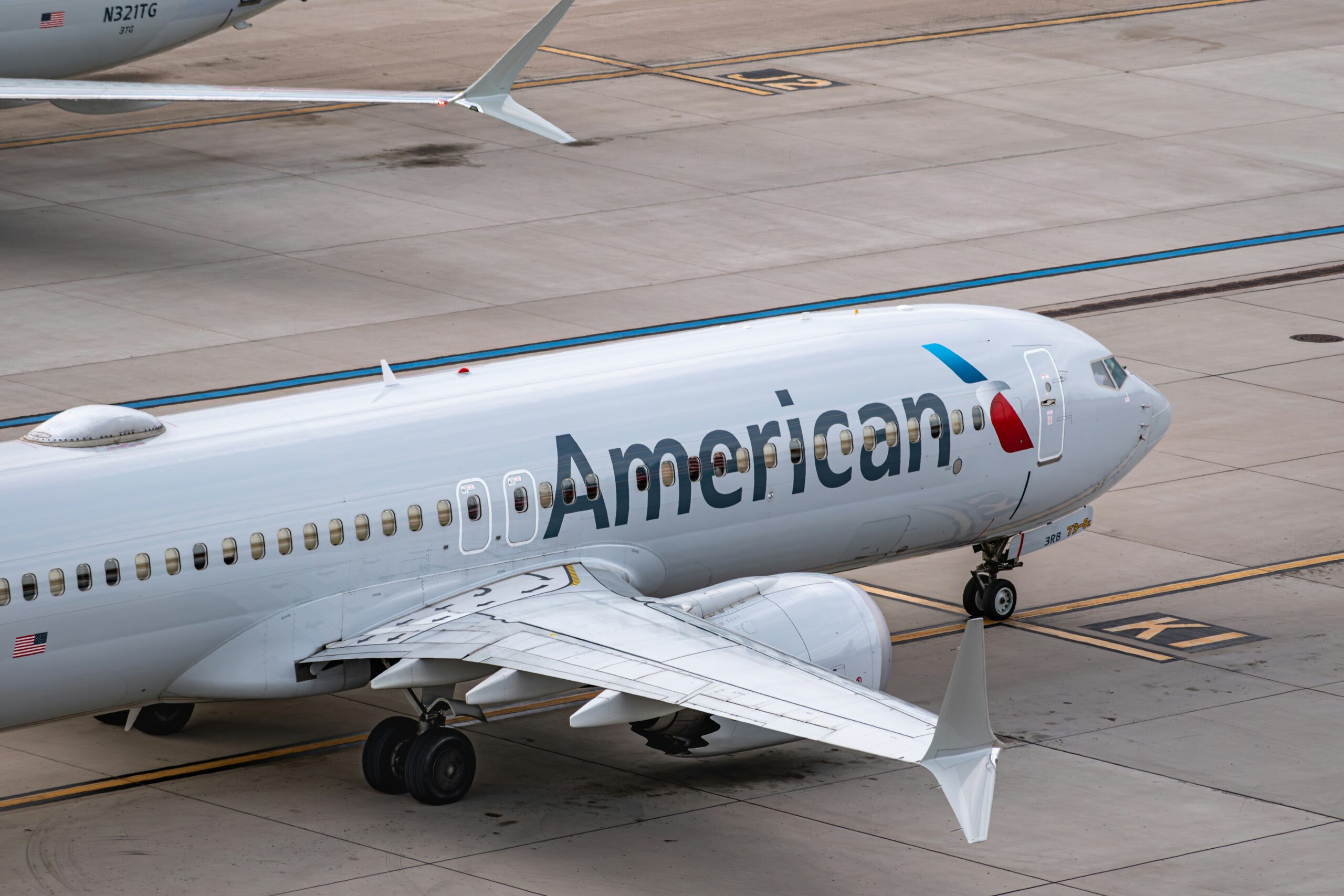



American Airlines has pushed the return of its Tel Aviv and Doha services for a longer period than previously expected, with both routes now to remain suspended until at least early 2027.
The U.S. carrier has delayed reinstating both its New York – Tel Aviv and Philadelphia – Doha routes, extending the standstill that has already lasted since late 2023 for Israel and early 2026 for Qatar. By the time services resume, Tel Aviv will have been off the map for nearly four years.
American Airlines originally halted flights to Tel Aviv following the escalation of conflict in October 2023, when multiple U.S. carriers suspended operations amid safety concerns and regional airspace instability. What had initially been treated as a temporary pause has gradually evolved into a prolonged withdrawal. The airline had previously been working toward a 2026 relaunch of its Tel Aviv service, but that timeline has now been pushed back again.
The situation in the Gulf region has similarly impacted the Philadelphia – Doha route, which American launched in 2022 as part of its strategic partnership framework with Qatar Airways. That service was seen as a key connector covering long-haul traffic into Doha’s global hub. However, worsening operating conditions and security concerns across the region led to its suspension, now also extended into 2027.
The continued absence from both markets highlights the broader challenges international airlines face. Industry reporting indicates that ongoing regional tensions, particularly involving Israel, Iran, and surrounding Gulf states, have made long-term planning difficult for carriers balancing safety, insurance costs, and regulatory guidance.
Currently, only El Al and Arkia are providing nonstop connections between Israel and the United States. Meanwhile, American Airlines’ rivals such as Delta Air Lines and United Airlines have moved ahead with plans to slowly resume Tel Aviv services.
The main risk for airlines is that a civilian aircraft could be mistaken for a target and struck by air defence systems amid ongoing missile and drone exchanges between multiple forces.
While neither the FAA nor the EASA has issued a full ban on flights to Israel, both have imposed strict operational restrictions and safety guidance due to the elevated risk environment.
Despite the extended suspensions in the Middle East region, American continues to adjust its wider network in anticipation of strong demand elsewhere. The airline is preparing for a record-breaking summer season in 2026, with projections of around 75 million passengers expected across its operations, underscoring how geopolitical conditions reshape global aviation.