


Uzbekistan has outlined a new phase of tourism reforms and long term development priorities, reinforcing its ambition to become one of the world’s fastest growing destinations.
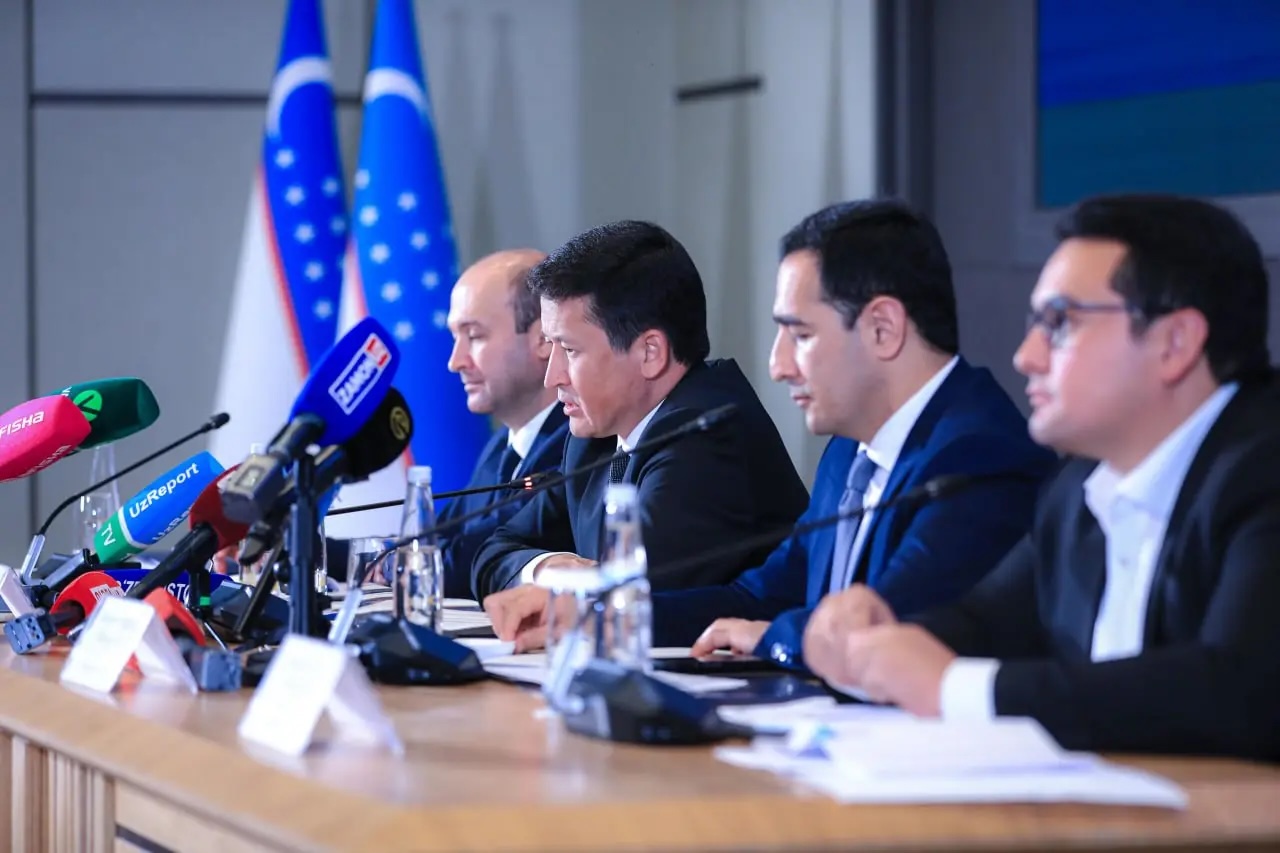
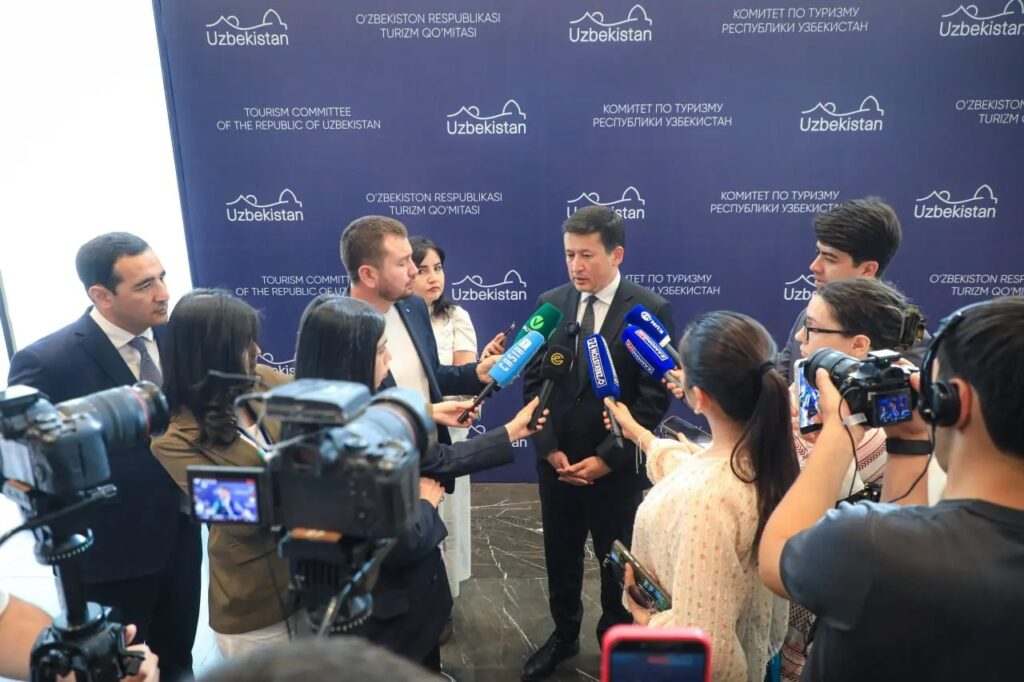
During a press conference led by the Chairman of the Tourism Committee of the Republic of Uzbekistan, Abdulaziz Akkulov, authorities presented a roadmap extending to 2030, with clear targets to scale the sector’s economic impact and international reach.
2030 targets: 20 million visitors and 7% GDP contribution
As outlined during the press conference, the reforms are grounded in Presidential Resolution No. RP-348, adopted on 19 November 2025, which established the Tourism Committee and set the country’s tourism development objectives through 2030.
The resolution defines three core targets: increasing tourism’s share of GDP to 7%, attracting 20 million foreign visitors annually, and expanding tourism service exports to over USD 6 billion.
As reported earlier this year by Travel Tomorrow, these objectives build on the country’s ambition to reach 12 million international arrivals by 2026 as part of its broader growth trajectory.
Infrastructure and project driven development
Central to the new reforms is the introduction of a structured project management approach across the tourism sector, organised around a development chain linking location, infrastructure, entrepreneurship, promotion and visitor experience.
Authorities confirmed that master plans will be developed for 34 major tourism sites, alongside the creation of 31 new facilities. A flagship example includes the Kipchak Fishing Village project in Karakalpakstan, designed to diversify the country’s tourism offer beyond its traditional Silk Road destinations.
To support implementation, two specialised institutions are being established under the Tourism Committee, focusing on infrastructure development and tourism product innovation respectively.
Significant funding is already being mobilised. Around 950 billion soums will be allocated this year to upgrade roads, utilities, sanitation facilities and public spaces, as well as to improve access to emerging destinations. At the same time, accommodation capacity is expected to expand to 8,250 properties, with a total of 95,000 rooms.
Diversification and evolving travel trends
The reforms also reflect changing global travel behaviour. Officials highlighted growing demand for experiences centred on gastronomy, culture and nature, as well as the increasing role of digital tools and artificial intelligence in travel planning.
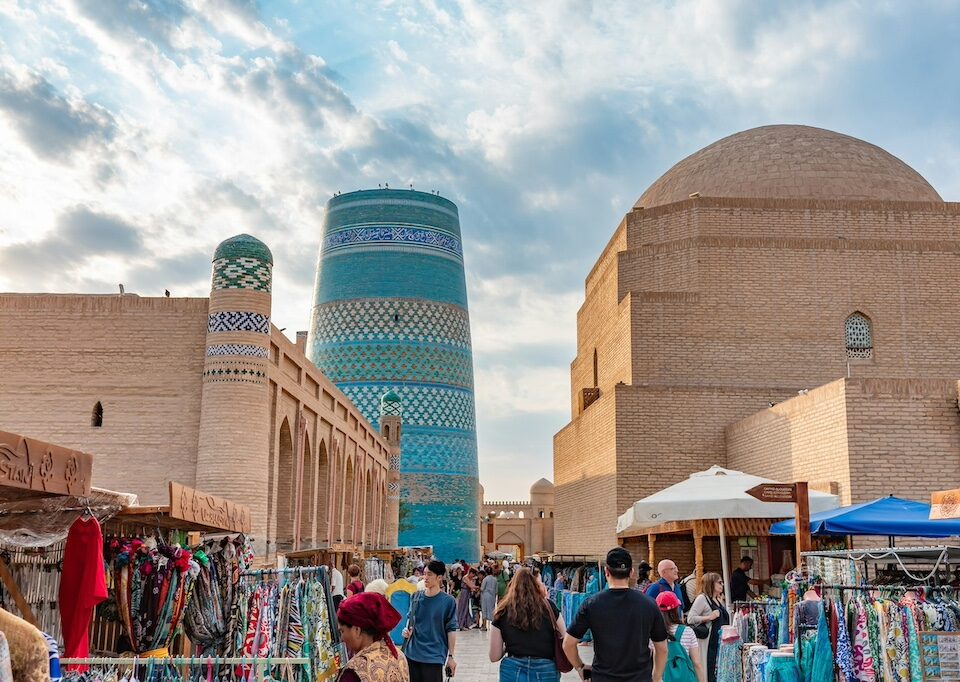
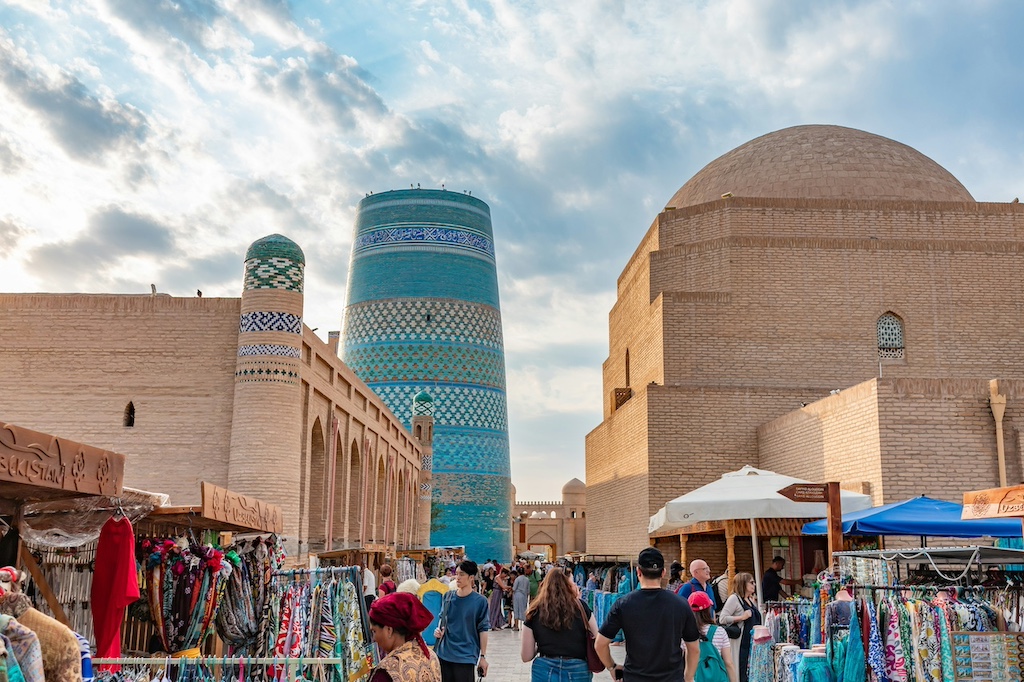
Uzbekistan is therefore prioritising the development of niche segments including ecological, ethnographic, pilgrimage, medical, sports and MICE tourism. This approach aligns with the country’s broader effort to move beyond its historic hubs such as Samarkand, Bukhara and Khiva, and promote lesser known regions.
Strengthening international visibility
International cooperation is another key pillar of the strategy. Uzbekistan is expanding partnerships with major global platforms such as Expedia Group, Amadeus and Trip.com to boost its visibility and distribution across global markets.
These partnerships are expected to enhance destination marketing, improve booking accessibility and support data driven promotion strategies.
In parallel, the country continues to host familiarisation trips for foreign tour operators and international media, targeting key source markets including the United Kingdom, the United States and Australia.
What about 2026?
Recent figures indicate that the reforms are already translating into growth. Uzbekistan welcomed 4 million foreign visitors in the first four months of 2026, marking a 30% increase compared to the same period last year. Tourism exports reached USD 1.6 billion over the same timeframe.
Domestic tourism remains a strong contributor to the sector’s resilience, with millions of internal trips recorded under national travel programmes.
With sustained investment, institutional reforms and a clear focus on diversification and digitalisation, Uzbekistan is consolidating its position as a competitive destination in the global tourism landscape.