


Authorities in The Hague have voted to approve a new train service that would see the Dutch destination recover its European intercity rail connectivity after a nine-year hiatus.
The Hague may have a reputation as a somewhat dull political and administrative hub. It’s the home of the Dutch government as well as the International Court of Justice, the International Criminal Court, and Europol. As Lonely Planet puts it, the Netherlands’ third-largest city is viewed by some as “a stately, regal place populated with bureaucrats and businesspeople.” Even its name (Den Haag in Dutch), meaning “the enclosure”, gives off a stuffy air.
Yet, the outlet points out, The Hague’s cultural scene, “anchored by the presence of the world-renowned Mauritshuis museum and Nederlands Dans Theater … is one of the most exciting in the country.”
Time Out’s UK news and features editor Ed Cunningham agrees, describing The Hague as boasting “a casual, unshouty sort of cool,” and highlighting its “phenomenal bar scene and a lively Chinatown,” as well as “a thriving seaside resort district (Scheveningen) and world-leading music festivals (Rewire), bags of Dutch royal history and spectacular works of architecture (Spui, the Pastor Van Ars Church).”
The city also boasts modern culinary delights and is easily explored by tram and on foot. But getting there by public transport from anywhere but Amsterdam has been an issue since 2021, when a direct train service from Belgium’s neighbouring capital, Brussels, was axed.
Now, though, city councillors have unanimously given the green light to a “Next Stop: Europe” plan set out by engineering consultancy firm Berenschot. The blueprint, as a first step, would bring back the Brussels connection by a simple timetable adjustment on the Rotterdam line that they report could run viably every two hours, with immediate effect. This option would easily offer access to and from other beloved European capitals like Berlin and Paris.
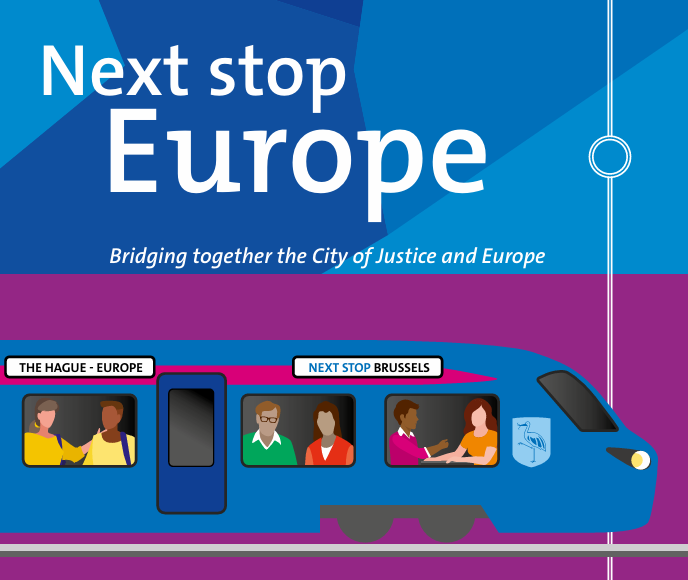
A second development proposal would involve giving an open-access operator rights to develop a brand-new service by as soon as 2029, operated on the selected firm’s own rolling stock, by their own staff. The demand, proponents say, is not in question, with market analysis undertaken in 2024 showing passenger numbers could double by 2040.
The Hague’s Mayor Jan van Zanen has hailed the potential rail connection as “more than just a train service – it’s a link between people, ideas, and opportunities.” Economically, the service could boost the local economy by between €10 million and €12 million, and for the environment and green campaigners, the proposal is a no-brainer too, saving up to 1,450 tonnes of road transport carbon emissions by 2030.
Officials are hoping that the timeline for the project could be accelerated and defined, thanks to the Netherlands’ Presidency of the EU Council in three years’ time.