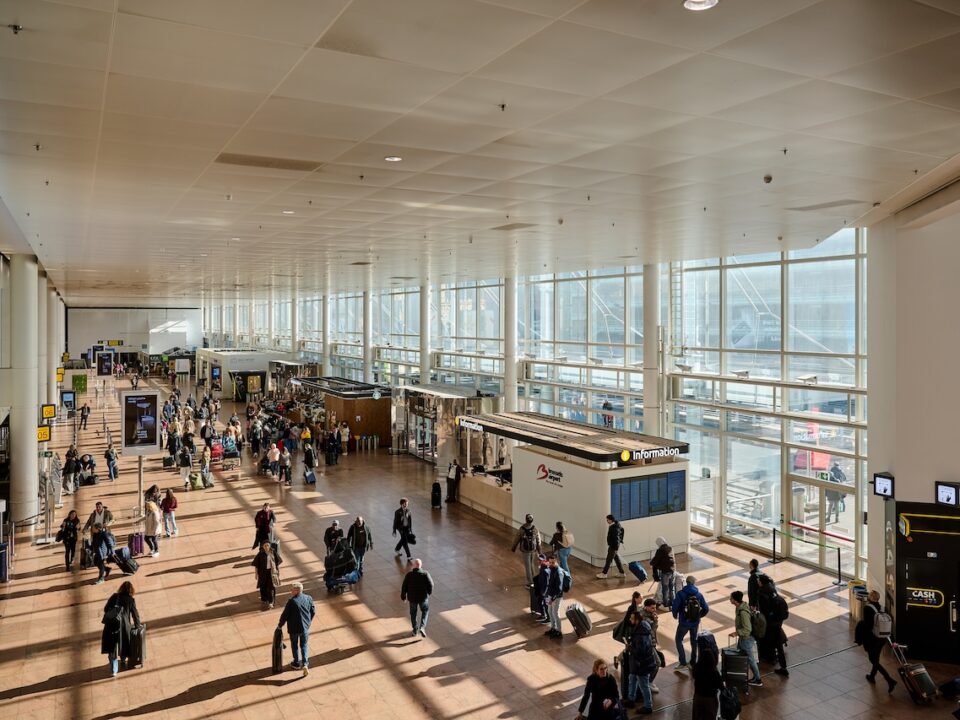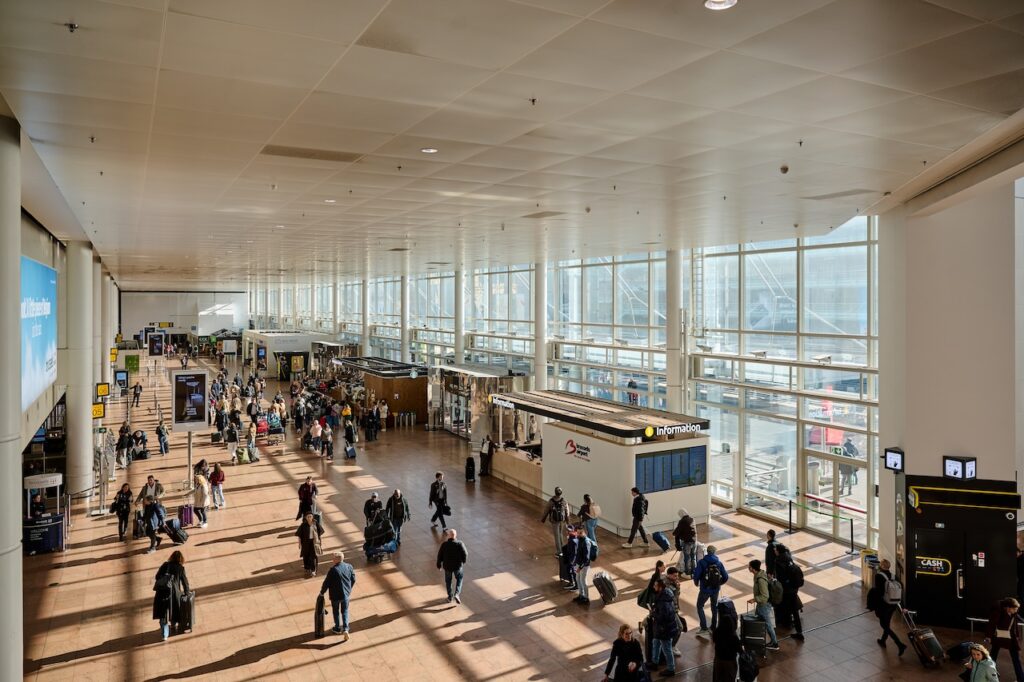

Brussels Airport has issued a warning over mounting delays at border control, cautioning that the situation could spiral into “absolute chaos” during the busy summer travel season if urgent action is not taken. Speaking during the presentation of the airport’s annual results on Friday, 8 May, CEO Arnaud Feist described the repeated long queues faced by arriving passengers as “totally unacceptable”. He noted that travellers are already enduring significant waiting times after landing, with passport control lines often stretching for extended periods. According to Feist, without effective measures to improve passenger flow before the summer rush begins, the airport risks severe disruption in the months ahead.
Feist also raised concerns about safety and staffing levels at border control, pointing to wider structural problems at the airport. He explained that overcrowded waiting areas can create risks for passengers, especially if someone becomes unwell during long queues. “The queues are a safety issue, for example if passengers become unwell, and they also damage Belgium’s image. We have been warning for years that we are heading towards a wall. The federal police are doing the maximum with the resources they have, but there is a 25% staff shortage at the airport. We cannot point the finger at the officers.”
04 mei 2026 – @BrusselsAirport. Schandalig lange wachttijden: minstens twee uur aanschuiven – en dit is intussen dagelijkse kost. Nefast voor economie, toerisme én imago. Ik zei het al toen ik in de oppositie zat, en herhaal het vandaag opnieuw: Minister @BernardQuintin_, fix it! pic.twitter.com/0Zpf6AjvqF
— Michael Freilich, MP (@MichaelFreilich) May 4, 2026
The delays are closely linked to the European Union’s Entry/Exit System (EES), which is now gradually operating across 29 countries in the Schengen Area. The system applies to travellers from outside the EU and replaces manual passport stamping with digital registration. First-time entry requires passengers to provide fingerprints, a facial scan and passport details before entering or leaving the Schengen zone. The aim is to improve border security and better track short stays across Europe.
Reports from the rollout show that the system already caused delays during the winter months, even before the summer peak. Airports had to process biometric data on-site, which takes more time than traditional passport checks. Some operators warned that if parts of the system fail during busy periods, waiting times could reach up to 90 minutes. With full mandatory use now in place, concerns are growing that congestion could increase further during high travel demand.
Expected to start in October, the EU will begin rolling out the Entry/Exit System, Europe's new digital border system for non-EU nationals.
— EPP Group (@EPPGroup) April 23, 2025
It aims to enhance border security, detect overstayers, combat identity fraud and prevent illegal migration.#EES
1/5 pic.twitter.com/BWQ6PQI10J
In Belgium, authorities have decided to delay part of the EES implementation. Interior Minister Bernard Quintin and Migration Minister Anneleen Van Bossuyt confirmed that biometric registration would temporarily not be applied in full. However, enhanced checks for non-EU travellers remain in place at Brussels Airport. The decision was taken after repeated warnings about long queues and pressure on airport operations, especially ahead of the summer holidays.
Several solutions are now being prepared ahead of the summer season. Automated e-gates are expected to be used more widely for non-EU travellers to speed up border checks. Some countries, including Portugal and Sweden, are also testing mobile applications that allow passengers to pre-register parts of their EES data before arrival. Across the EU, the system has already recorded around 52 million crossings, identified nearly 700 travellers as security risks, and refused entry to more than 27,000 people. The European Commission has also signalled that temporary flexibility measures for EES checks could remain in place until September 2026 to reduce pressure on border operations.