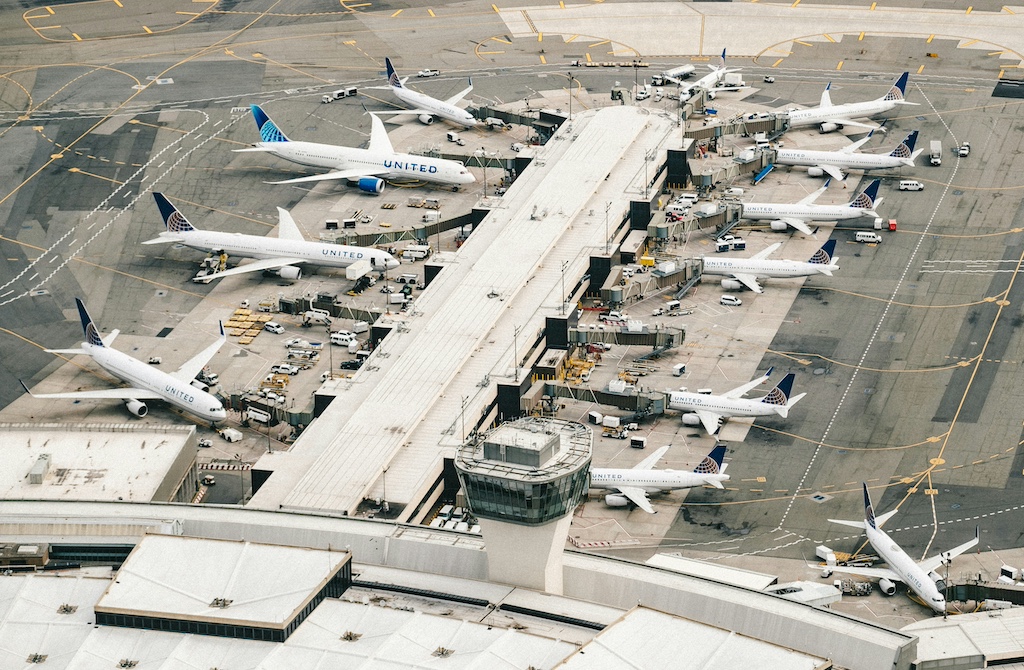


As the conflict in the Middle East continues, so does its impact on jet fuel prices and the global aviation industry. Throughout May 2026, this has resulted in some two million seat cuts worldwide.
According to aviation analytics company Cirium, 13,000 flights have been cut from the global flight schedule over the month of May 2026. When combined with the fact that some airlines are privileging smaller planes in order to save fuel, this results in no less than two million seat cuts – or about 2% of the global aviation capacity.
April 13, 2025 vs April 12, 2026 ✈️
— AirNav Radar (@AirNavRadar) April 13, 2026
Air traffic over the Middle East shows a notable shift in regional flight patterns, highlighting the impact of ongoing conflict on airspace usage and airline routing decisions.
Track flights in real time: https://t.co/5xZPwStOUa#airtraffic… pic.twitter.com/Y3rbndC5DV
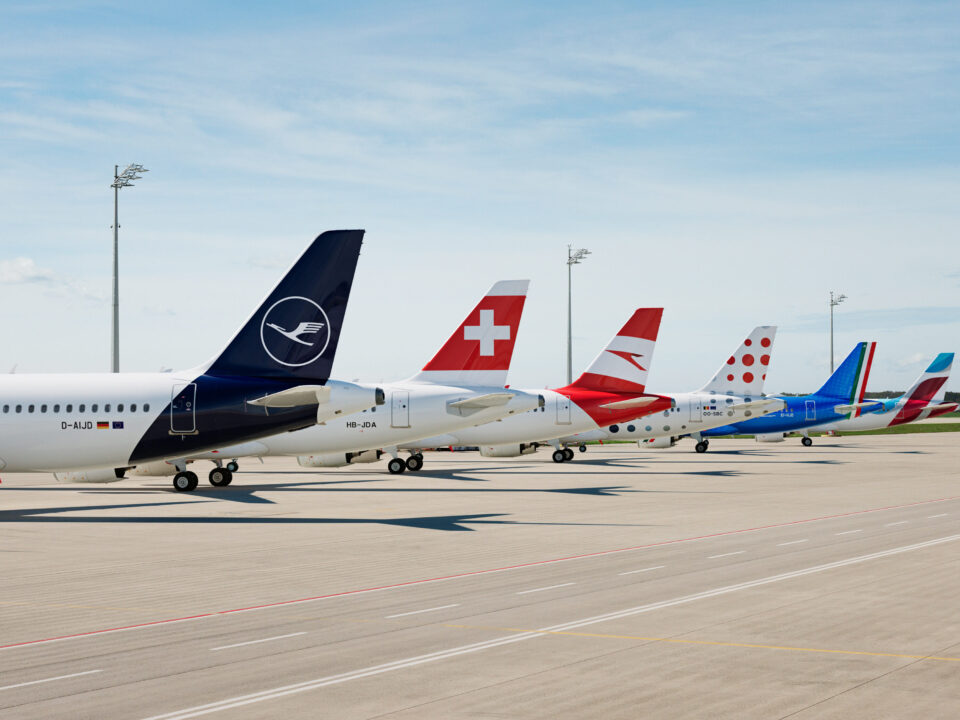
Within Europe, Turkish Airlines, Lufthansa, British Airways, and KLM are among the airlines to have reduced their capacity.
The reduced number of seats could have an impact on travellers who planned to take to the air over the month of May. Although most airlines will offer a refund or a rebook option, the level of protection depends on where the journey begins and which airline operates it.
Thanks to US-Israeli war on Iran, jet fuel prices have more than doubled.
— Steve Hanke (@steve_hanke) May 5, 2026
Domestic US fares have SOARED by 24%, and international fares have SURGED 50% since Jan. 5.
AIRLINE PASSENGERS SHOULD SEND A BILL FOR DAMAGES TO TRUMP & NETANYAHU. pic.twitter.com/aeXlO0ZxmJ
In what is seen as a remarkable move, the UK government has granted airlines temporary flexibility to cancel or consolidate flights without jeopardising their airport slots, which could have an impact on people’s Summer holiday plans, although according to travel expert Simon Calder, business travel is more likely to be impacted by the measure.
However, if the situation doesn’t improve rapidly, the conflict and the starkly increased cost of jet fuel are also likely to heavily impact Summer travel. Lufthansa previously announced it would be cutting 20,000 short-haul routes from its summer schedule, and others are likely to follow in order to deal with the crisis.
Data collected by Cirium show that airlines across the globe have already cut 9.3 million seats for the period from 1 June to 30 September 2026. Part of those cuts are concentrated in the Middle East, with airlines such as Qatar Airways, Emirates, and Etihad Airways being among the most impacted.
Airlines just cancelled 2 million seats and 12,000 flights for May… all in the last two weeks.
— Fahad Naim (@Fahadnaimb) May 5, 2026
Jet fuel prices have basically doubled amid the Middle East crisis. Turkish cut over 500k seats, Lufthansa axed nearly 4,000 flights, with Emirates, United, Air China and others also… pic.twitter.com/Op4hM9sVNV
Aside from an increased risk of cancellations and rescheduling, Summer travellers – especially those who have yet to book their plane tickets – are also likely to be confronted with substantially more expensive air fares. Those are partly caused by the jet fuel price increase, partly by a decreased offer.
“The current fare levels between Europe and Asia are not sustainable over time in my view – this is driven by high demand and limited capacity, not high jet fuel prices – and I will not be very surprised if the Gulf area airlines will soon be offering very attractive airfares between Europe and Asia via Gulf hubs,” Hans Jorgen Elnaes, the founder of Norway-based aviation consultancy Winair AS, told Al Jazeera.
According to the International Air Transport Association, overall passenger demand rose by 2% over the month of March 2026 compared to the same period in 2025, despite the crisis. Strong domestic markets thus seem to be absorbing at least part of the consequences of the crisis in the Middle East, which is likely to at least have an impact on the aviation industry for the months to come.