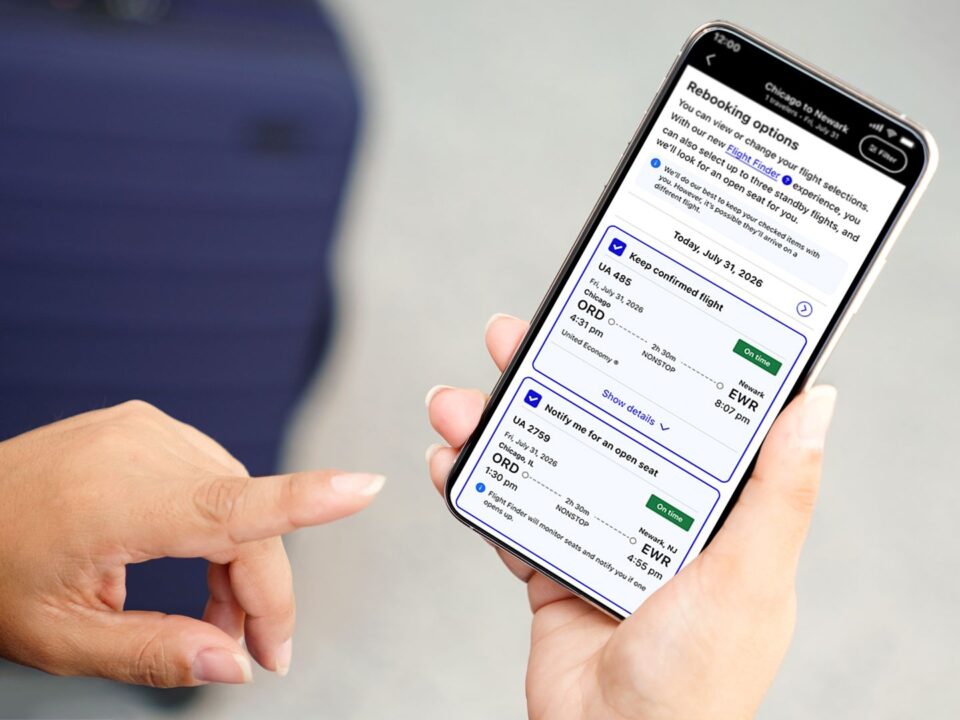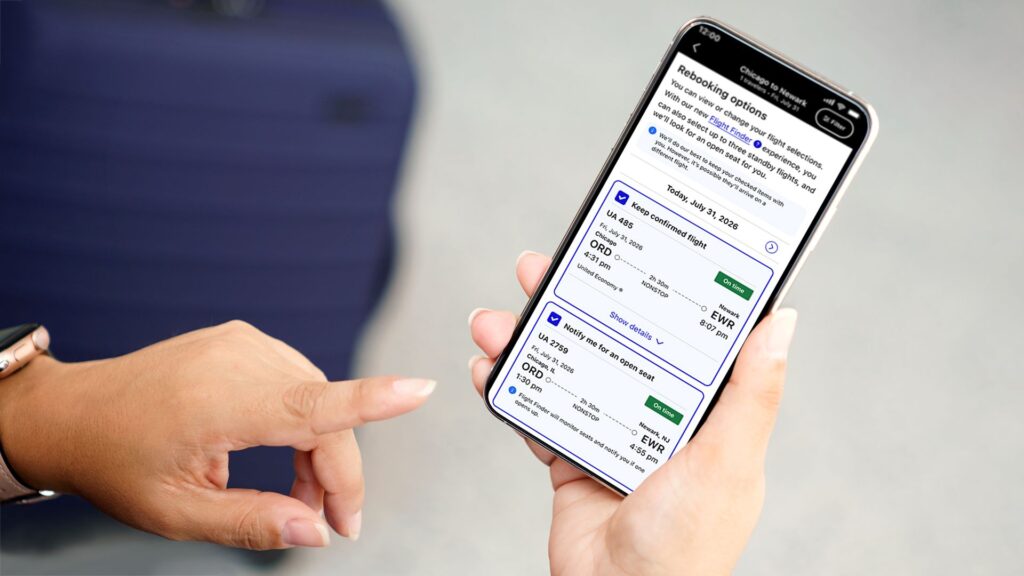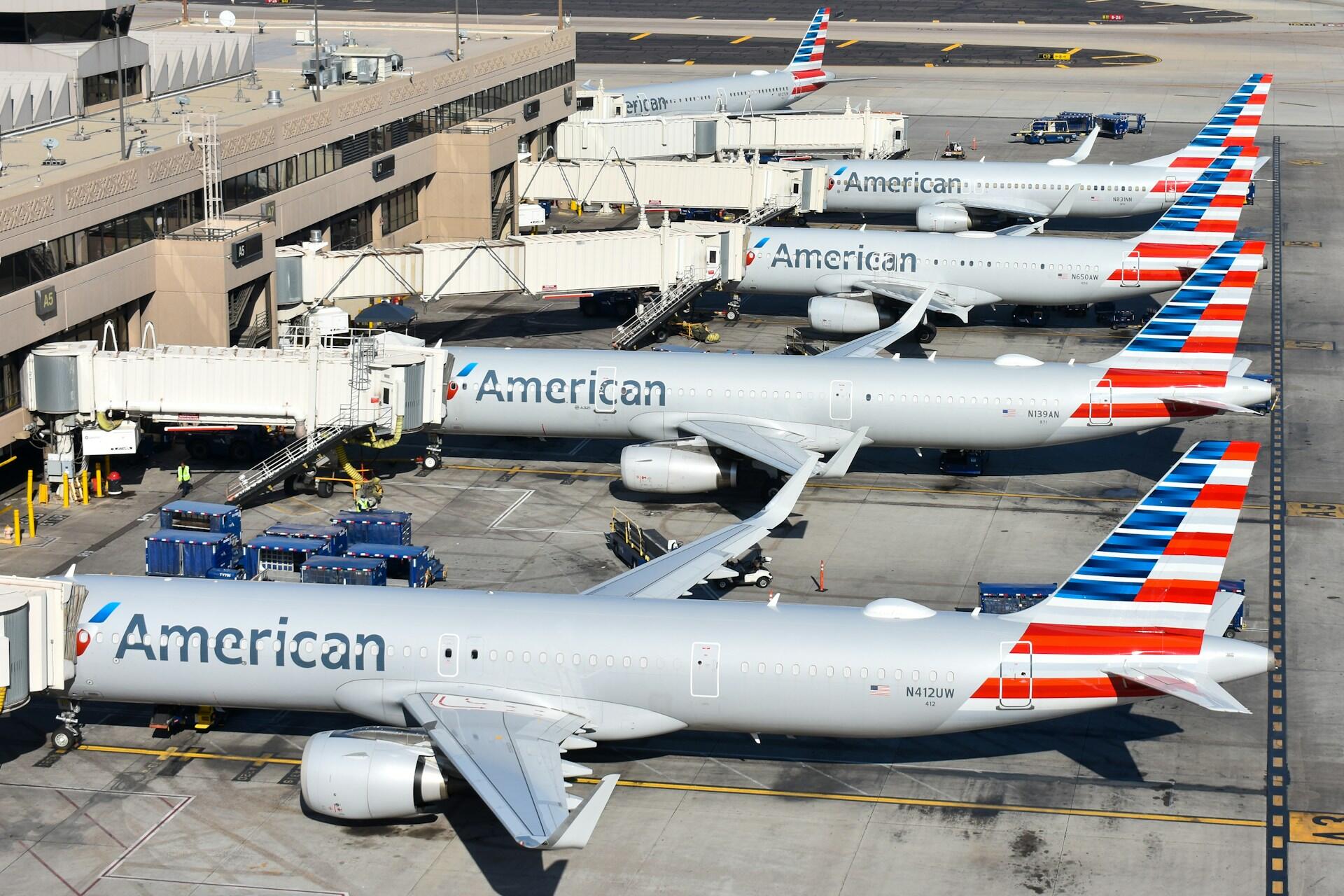



Competition in the US aviation market is putting pressure on airlines to improve the passenger experience. American Airlines is now considering bringing seatback screens back to its narrow-body fleet, according to reports. At the same time, the airline is exploring new partnerships to improve onboard connectivity, including discussions with SpaceX’s Starlink and Amazon Leo. These plans are part of a broader effort to upgrade both internet access and entertainment options for passengers. A decision on the direction of the programme could reportedly be made as early as next month.
“I think of where the technology was a decade ago, and where it can be today, or even a few years from today. Hopefully the complexity is less,” said American Airlines Chief Customer Officer Heather Garboden in an interview with CNBC. Her statement suggests that improvements in technology are making seatback systems easier to manage, which could support the airline’s decision to bring them back.
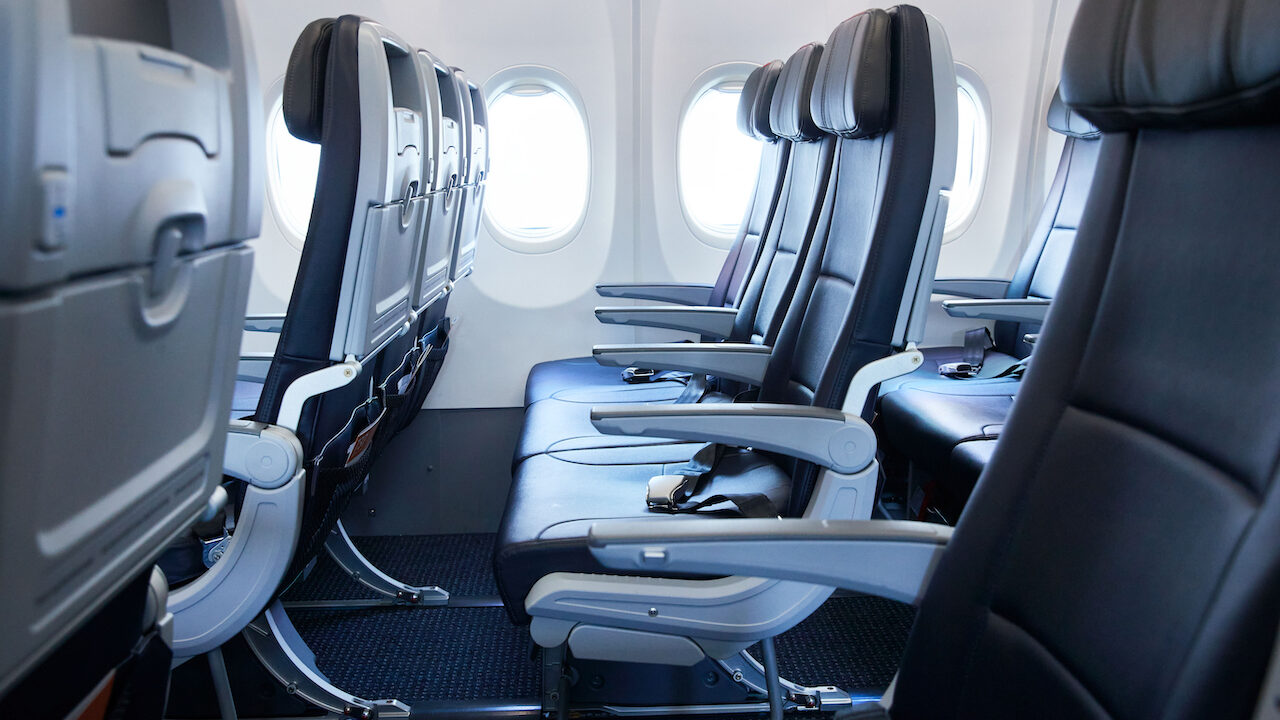
Seatback entertainment has gone through several stages in aviation history. Early systems relied on shared overhead screens, where all passengers watched the same content during the flight. Over time, airlines introduced individual displays, allowing travellers to choose their own films and series. By the 1990s and early 2000s, these screens had become a common feature, especially on long-haul routes. They were later introduced on shorter routes as airlines began competing more on comfort and onboard experience.
American Airlines removed seatback screens from most of its narrow-body aircraft in the late 2010s. The airline instead focused on a “bring-your-own-device” approach, expecting passengers to stream content on personal devices. This decision helped reduce fuel consumption, as lighter aircraft use less fuel. It also lowered maintenance needs, since built-in systems often require repairs. Over time, this approach became standard across most of the airline’s narrow-body fleet.
In practice, relying on personal devices has created some challenges for passengers. Travellers need to make sure their devices are charged before boarding. They also depend on stable Wi-Fi, which is not always guaranteed during a flight. Downloading content in advance is another step that not all passengers take. For families, especially those travelling with young children, managing multiple devices can become complicated.
Pressure from competitors is now pushing American to rethink its approach. Delta Air Lines and United Airlines have continued to invest in onboard technology, including large seatback screens and improved connectivity. These upgrades are not only about comfort but also about attracting higher-paying passengers. Both airlines have reported stronger customer satisfaction linked to these improvements. This has increased the pressure on Americans to offer a similar experience.
At the same time, American is exploring a broader upgrade of its digital services. The airline is in discussions with SpaceX and Amazon to improve in-flight Wi-Fi. These partnerships could also bring additional services, such as video streaming, music, and even onboard shopping linked to frequent flyer miles. This shows that in-flight entertainment is becoming part of a wider digital ecosystem rather than a standalone feature. Free Wi-Fi is already available on most aircraft for loyalty programme members, further supporting this shift.
The scale of a possible return of seatback screens is significant. American Airlines operates roughly 790 narrow-body aircraft, and adding screens again would take time and investment. Aircraft would need to be temporarily taken out of service to install new systems. The airline also has more than 280 aircraft on order, and new planes could include seatback screens directly from the factory, making the transition easier in the long term. Even so, the process would still take several years to complete.
Passenger expectations have also changed in recent years. Many travellers now expect a smooth digital experience similar to what they have at home. Using personal devices works in some cases, but it depends on preparation and connectivity. Built-in screens offer a simpler option that works immediately after boarding. This can be especially useful on longer flights where passengers rely more on onboard entertainment.