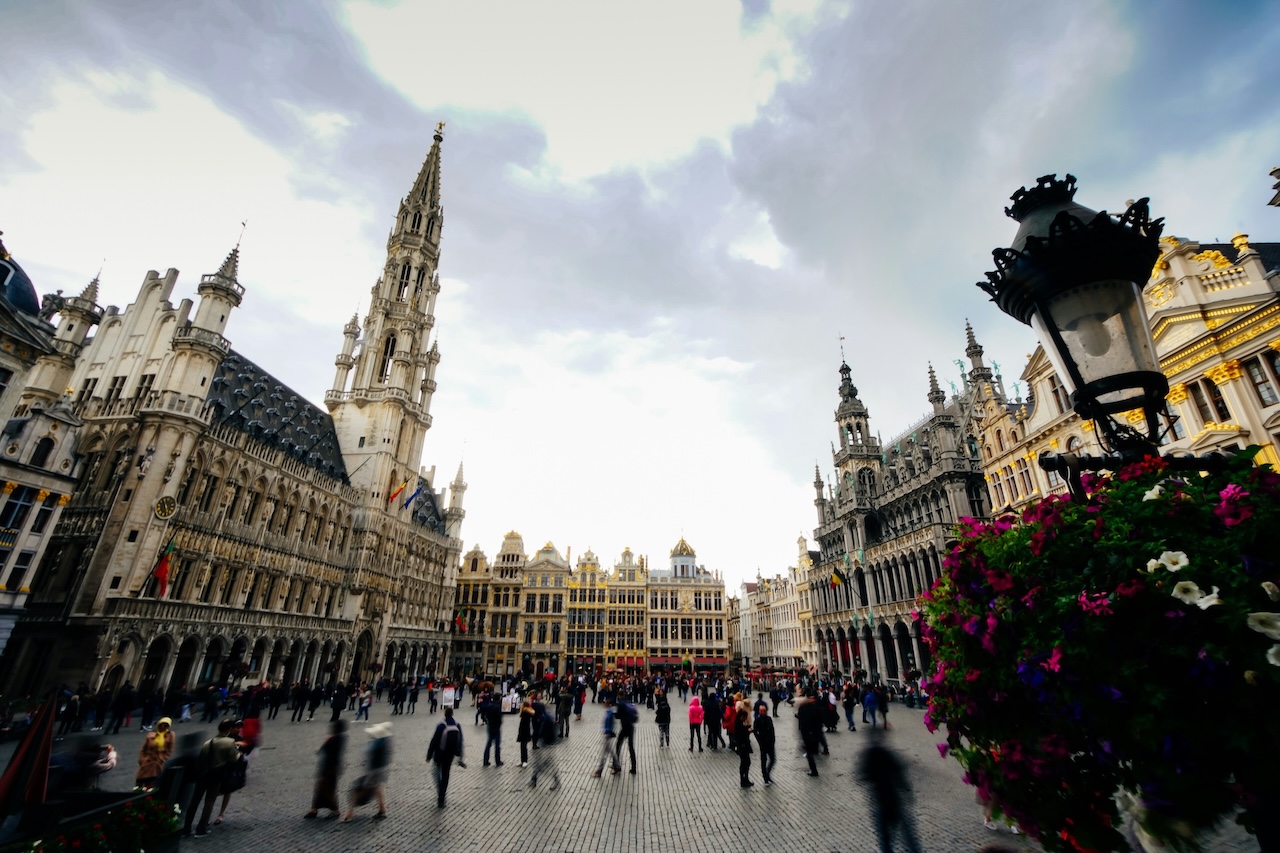


Brussels is stepping up efforts to attract major international congresses by expanding its network of Business Events Ambassadors, as competition intensifies in a global business travel market projected to reach more than $2.1 trillion over the next decade.
The initiative, led by visit.brussels, relies on recognised experts based in the Belgian capital to bring large scale conferences to the city, reinforcing its role as a European hub for meetings, incentives, conferences and exhibitions, known as MICE tourism.
A growing but uncertain global market
The move comes at a time when business travel and events are showing strong recovery, despite geopolitical and economic headwinds.
According to the latest Global Events Barometer by the Events Industry Council, demand for business events remains robust. Hotel group room nights have reached 97% of 2019 levels, while event planners’ requests for proposals now exceed pre pandemic figures at 102%.
At the same time, pricing has surged, with global room rates for business events averaging 139% of 2019 levels, reflecting sustained demand alongside rising structural costs.
Longer term forecasts remain positive. The global business travel market, valued at $689.7 billion in 2021, is expected to reach $2.1 trillion by 2031, with spending potentially hitting $1.8 trillion as early as 2026, according to the Global Business Travel Association.
However, the outlook is not without risk. Geopolitical tensions, including instability in the Middle East, as well as economic uncertainty and shifting travel patterns, could affect short term planning and investment decisions.
Brussels’ strategy: expertise as leverage
Against this backdrop, Brussels is positioning itself not just as a destination, but as a knowledge hub capable of attracting high value events.
The Business Events Ambassadors programme brings together leading professionals from sectors such as medicine, science, technology and environmental research, encouraging them to use their international networks to secure major congresses for the city.
Rather than focusing solely on promotion, the model is built on influence and expertise. Ambassadors help prepare bids, connect international associations with local ecosystems and ensure that events hosted in Brussels are anchored in relevant industries.
The impact has been significant. Over the past nine years, 135 ambassadors have contributed to attracting more than 300,000 delegates, generating over $250 million in economic benefits for the tourism sector.
Such events are also seen as strategic tools, supporting knowledge exchange, innovation and year round tourism flows, while reinforcing Brussels’ international reputation.
A competitive edge in Europe
Brussels’ institutional landscape remains one of its strongest assets. As host to European Union institutions and a wide range of international organisations, the city offers direct access to policymakers, regulators and industry leaders.
This makes it particularly attractive for conferences that go beyond networking and aim to influence policy, investment or sector development.
The ambassador network, capped at around 150 members, is designed to remain active and selective, ensuring continued engagement across priority sectors.
Tourism, investment and global events
Recent developments in the tourism sector illustrate how business events are evolving.
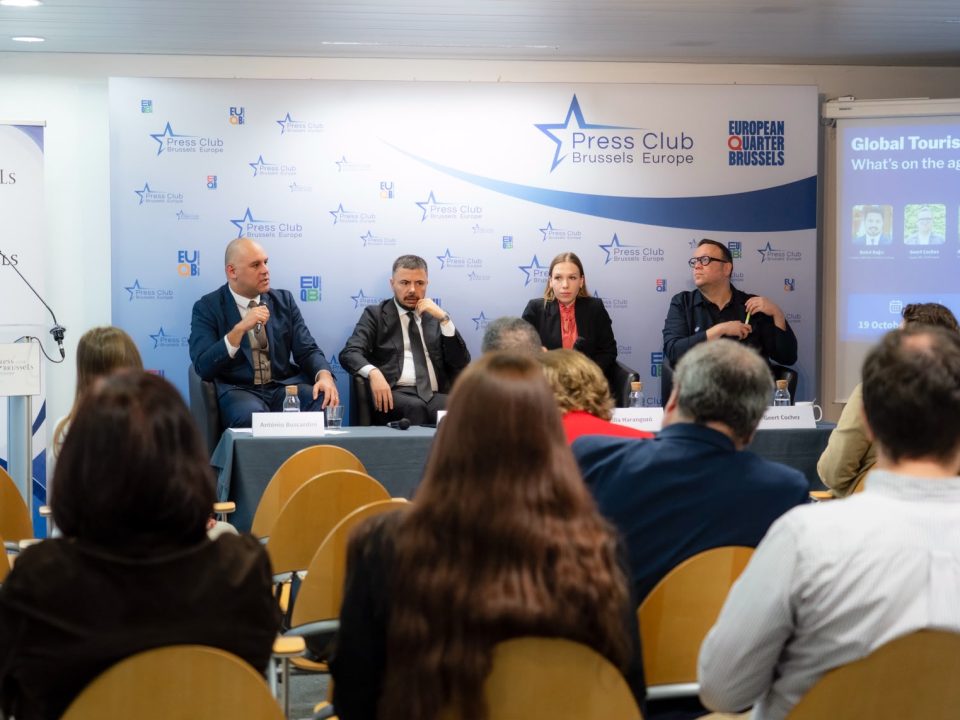
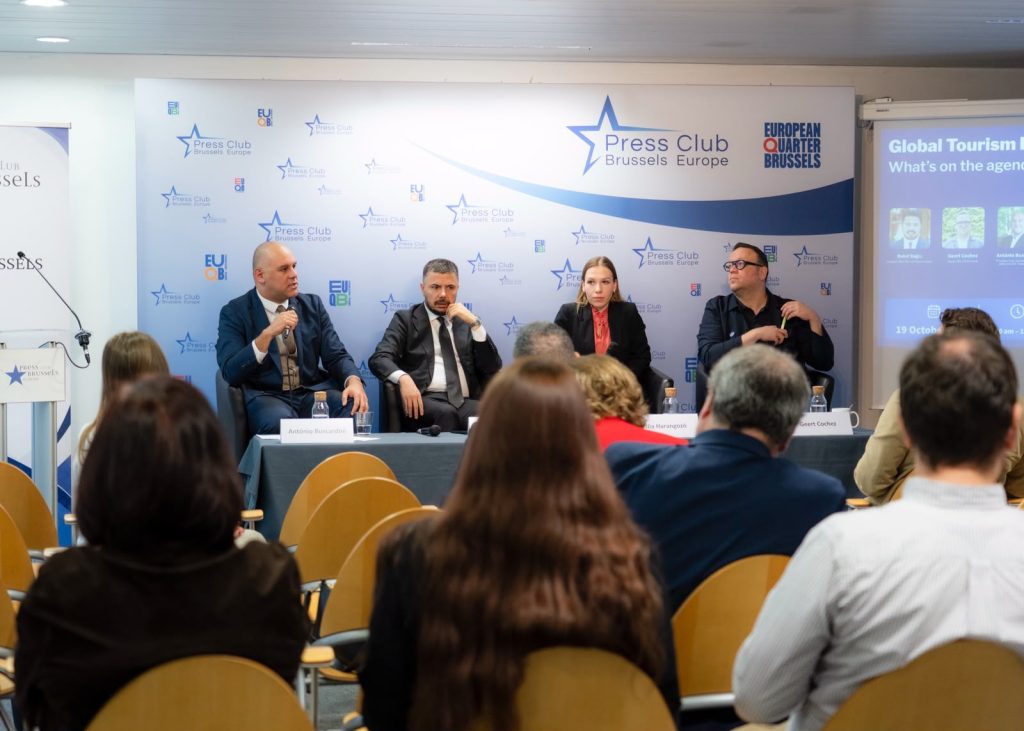
Among those recognised within the ambassador programme is Bulut Bağcı, President of the World Tourism Forum Institute, who has played a role in bringing the Global Tourism Forum 2026 to Brussels.
His approach reflects a broader shift in how such events are positioned. “We make billion dollar investment decisions in Brussels. For me, Brussels is not a destination, it is a home,” Bağcı said. “We bring together governments, investors and industry leaders around the same table.”
Bulut Bagci has been recognized by https://t.co/avHrtKzb93 as a 2026 Business Events Ambassador. This is not just an award, it’s a strong signal that Brussels is becoming a key hub for global tourism investment and decision-making through the Global Tourism Forum. pic.twitter.com/jnST3o9hC4
— Global Tourism Forum (@gtourismforum) May 3, 2026
He argues that tourism is increasingly linked to wider economic strategy, particularly in areas such as infrastructure, investment and international cooperation. “Tourism is economic infrastructure,” he added, pointing to the role of large scale forums in connecting public and private stakeholders.
As global demand for in person events continues to recover, cities are competing to attract gatherings that deliver not only visitor numbers but long term impact. For Brussels, the Business Events Ambassadors programme is a key part of that strategy, aligning local expertise with international opportunity.