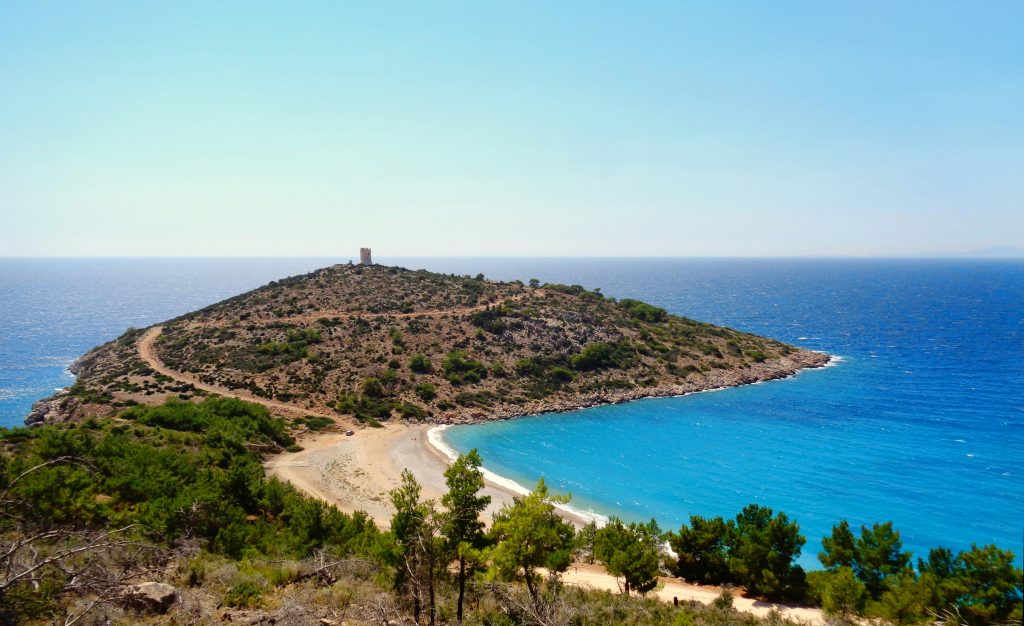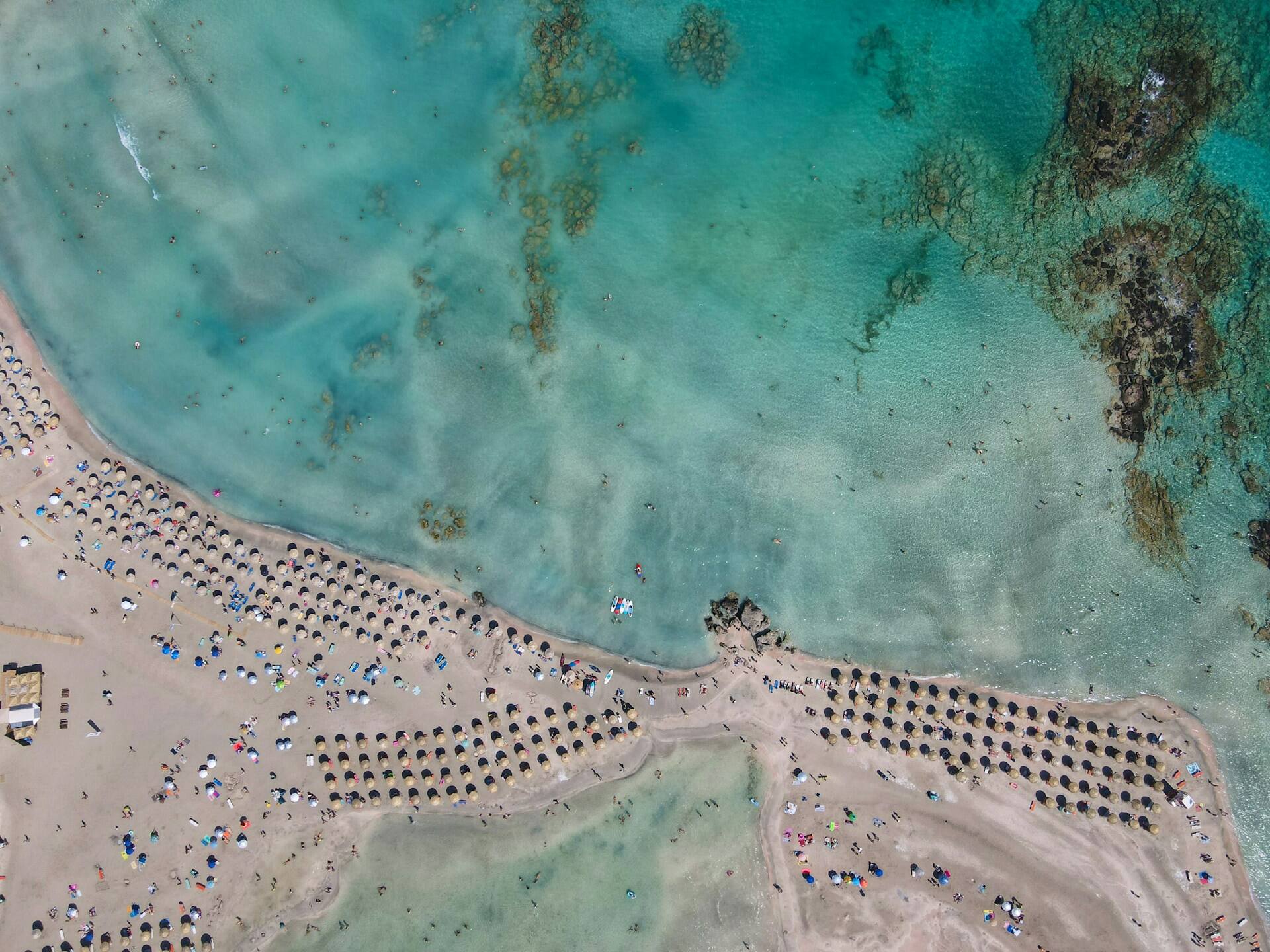



Greece has increased the number of beaches where sunbeds and other commercial activities are banned, as part of efforts to protect its coastline. Around 250 beaches across the country have now been given “untouched” status by the authorities. This means that these coastlines are kept as natural as possible, without the presence of rented equipment or large tourist infrastructure. The decision was announced jointly by the country’s financial and environmental ministries and comes ahead of the busy summer season.
On these protected beaches, businesses are no longer allowed to place sunbeds, umbrellas, tables or chairs for commercial use. Visitors will not be able to rent water sports equipment such as jet skis, pedalos or kayaks either. Loud music, large organised events and cars driving on the sand are also prohibited. However, the beaches remain open to the public, and small mobile stands selling drinks and snacks are still allowed to operate.
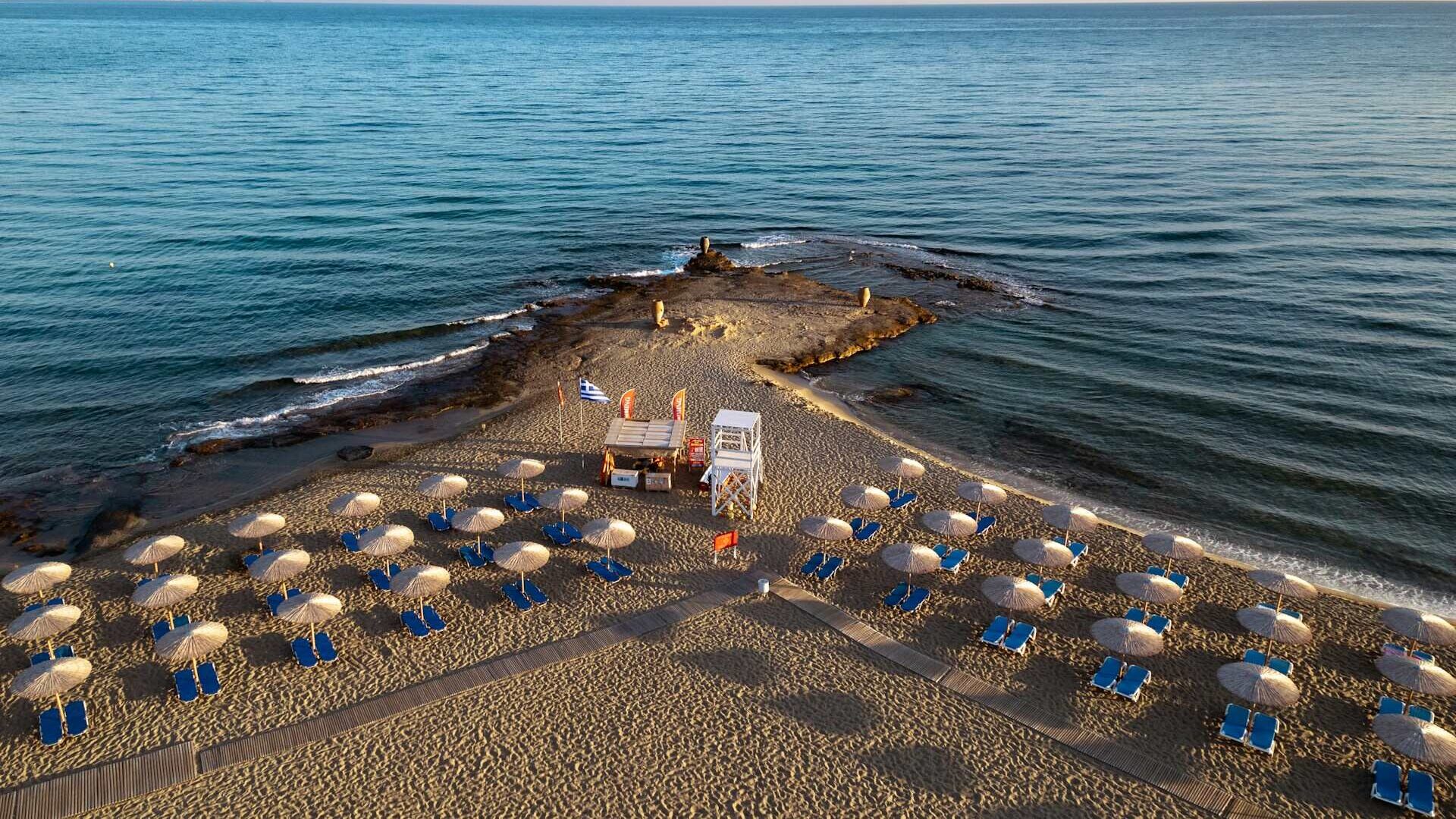
The aim of these measures is to protect Greece’s natural environment and preserve the beauty of its coastlines. Many of the selected beaches are home to important ecosystems, including rare plants and animals. Authorities say that increasing pressure from tourism, combined with the effects of climate change, has made stronger protection necessary. By limiting human impact, the government hopes to maintain these areas in their natural state for future generations.
A number of the beaches included in the ban are part of the Natura 2000 network, a European system of protected areas. This programme is designed to safeguard habitats and species that are considered valuable or at risk. On these beaches, the rules are even stricter, as any activity that could change the natural shape of the coastline or harm its ecological function is not allowed. This also means that hotels cannot create private beach sections or build permanent structures nearby.
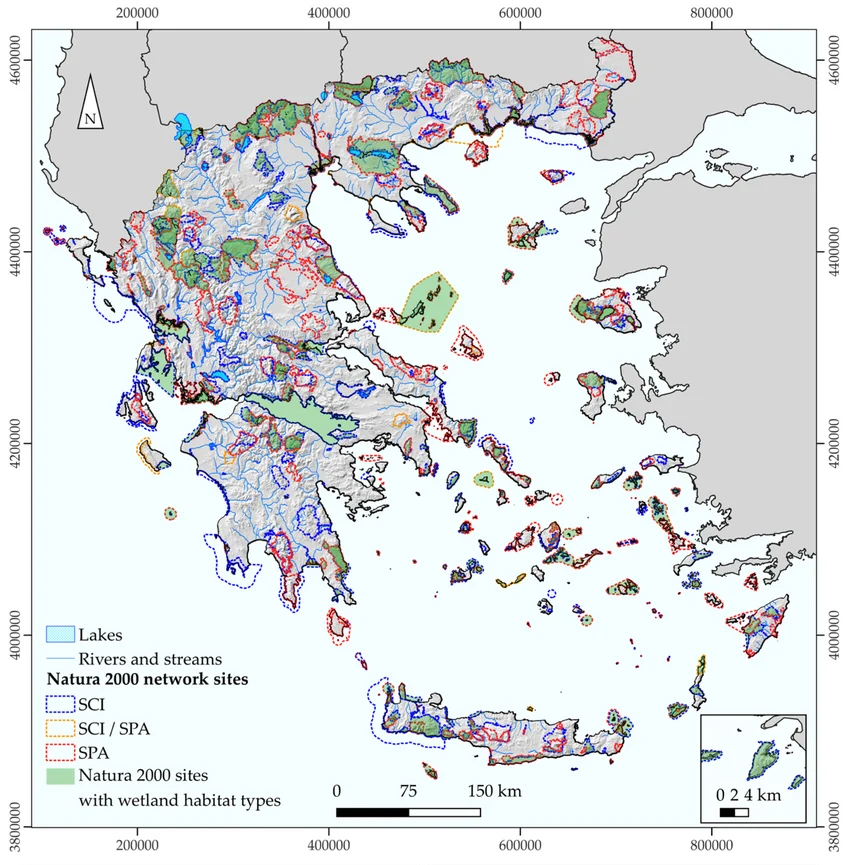
The protected beaches are spread across many parts of Greece, including islands and mainland regions. Locations such as Crete, Rhodes, Corfu, Lefkada and the Cyclades are all included. The island of Leipsoi stands out, as it has the highest number of untouched beaches in the country, with more than 20. Another well-known example is Elafonissi Beach in Crete, famous for its pink sand created by crushed seashells.
For tourists, the new rules mean a slightly different beach experience. Instead of renting a sunbed, visitors will need to bring their own towel or sit directly on the sand. While this may reduce comfort for some, it also offers a quieter and more natural setting. Travellers who prefer organised beaches with full services can still find them elsewhere in Greece, as the restrictions only apply to selected locations.
@_pearltravels_ Part 2: 3 Must-See Beaches in Crete. 1-Balos 2-Voulisma 3-Elafonissi Beach #crete #greece #travel #contentcreator #followback @Crete Unlocked ♬ original sound – HYPATON
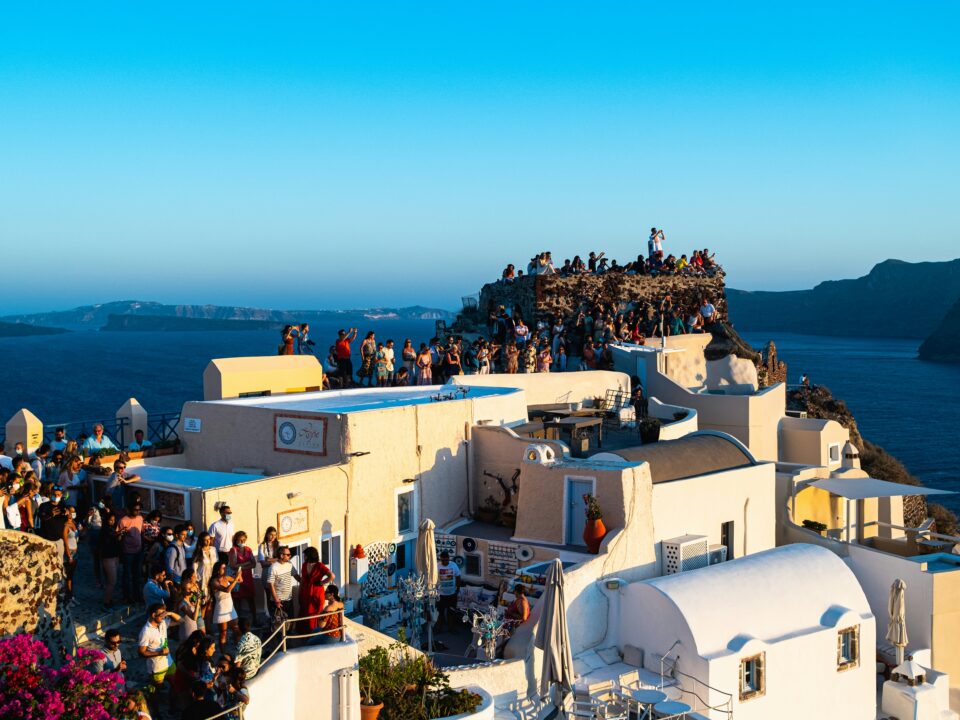
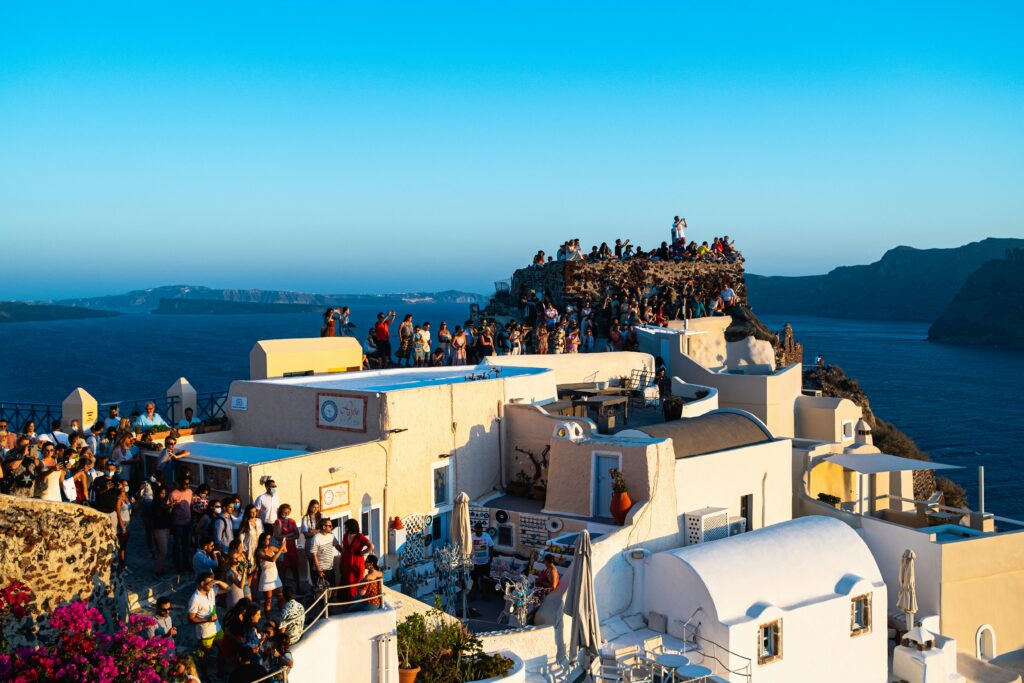
The move is part of a wider strategy to tackle overtourism and promote more sustainable travel. Greece has faced growing concerns about overcrowded beaches and uncontrolled development in recent years. By introducing stricter rules, the country aims to strike a better balance between tourism and nature protection.
To help visitors navigate the changes, authorities have also introduced tools such as the MyCoast app, which shows which beaches are protected. This allows travellers to plan ahead and choose the type of beach experience they prefer. Similar measures are being considered in other European destinations, showing a wider shift towards more sustainable coastal tourism.