
The European Parliament has adopted a resolution calling for a more balanced approach to tourism management across the European Union, urging action to tackle overtourism, improve connectivity and support lesser-known destinations.
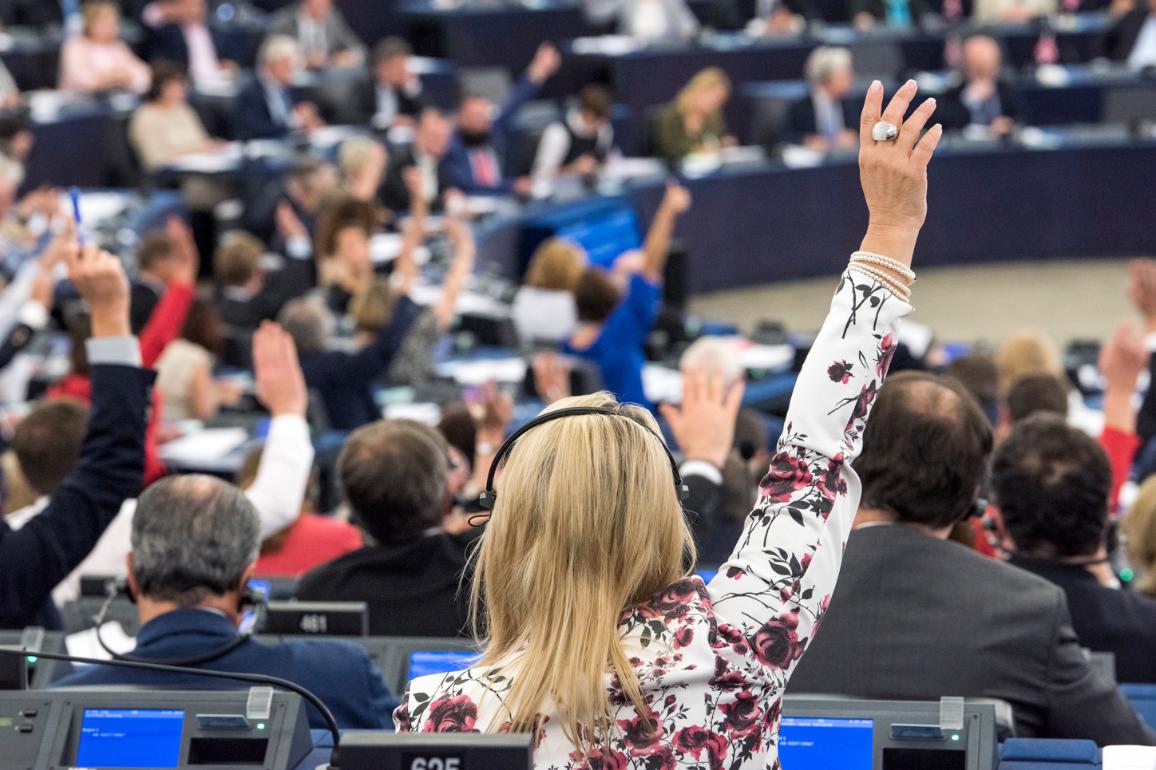
Approved on Tuesday by 439 votes in favour, 42 against and 129 abstentions, the text sets out Parliament’s priorities ahead of the European Commission’s upcoming sustainable EU tourism strategy.
The vote follows earlier backing from Parliament’s Transport and Tourism (TRAN) committee in March, when MEPs first endorsed proposals aimed at reshaping how tourism is managed across Europe.
Tackling overtourism and spreading benefits
MEPs highlighted that around 80% of travellers visit only 10% of global destinations, placing heavy pressure on some of Europe’s most visited cities and regions.
To relieve pressure on tourism hotspots, Parliament called for stronger efforts to redirect visitors towards emerging, rural and remote destinations, including mountain areas and lesser-known regions.
According to the resolution, experiences linked to gastronomy, heritage, active, spa, and regenerative tourism could help diversify visitor flows, extend tourism beyond peak seasons and create new income streams for local communities.
The approach reflects growing concern across Europe about overcrowding in popular destinations during high season, alongside the need to ensure tourism revenues are shared more evenly.
Better transport links to emerging destinations
Connectivity was identified as a key pillar of sustainable tourism.
MEPs urged the European Commission to create a dedicated support mechanism to strengthen air, sea and land links to developing destinations that remain harder to reach.
They also called for:
- targeted support for electric vehicle leasing and charging infrastructure
- more cross border night train services
- rapid deployment of a seamless integrated ticketing system covering rail, air and maritime travel
The proposals aim to make travel across Europe more sustainable while helping travellers reach destinations beyond the traditional tourism map.
We’re launching a bold plan to make high-speed rail the fastest, more sustainable way to travel across Europe by 2040. 🚆
— European Commission (@EU_Commission) November 5, 2025
It’s a concrete timeline to remove bottlenecks, unlock investment, and harmonise rail systems⬇️ pic.twitter.com/QH5x1eEhOS
Funding concerns remain
Parliament also warned that Europe risks undermining its global tourism leadership without clearer financial backing.
The resolution regrets that the next Multiannual Financial Framework once again does not include a dedicated EU tourism programme or a stand alone budget line for the sector.
Tourism remains one of Europe’s most important industries, accounting for around 10% of EU GDP and supporting millions of jobs.
Short term rentals under scrutiny
MEPs welcomed new EU rules on short term rentals as a positive step towards better destination management, but said further measures are needed.
They warned that unregulated growth and commercialisation can contribute to housing shortages, loss of authenticity and the displacement of residents from city centres and popular holiday areas.
Parliament is calling for a new EU framework that would define service standards, clarify host categories and allow member states to introduce caps on visitor nights, authorisation schemes or zoning systems.
Skills shortages and cultural volunteering
Labour shortages also remain a challenge across the tourism sector. To improve mobility and working conditions, MEPs proposed a tourism skills card that would allow workers to document recognised training, qualifications and professional experience.
The resolution also praised the role of cultural workers, local organisations and volunteers in protecting Europe’s heritage, urging the Commission to encourage wider participation in cultural volunteering.
Rapporteur welcomes strong backing
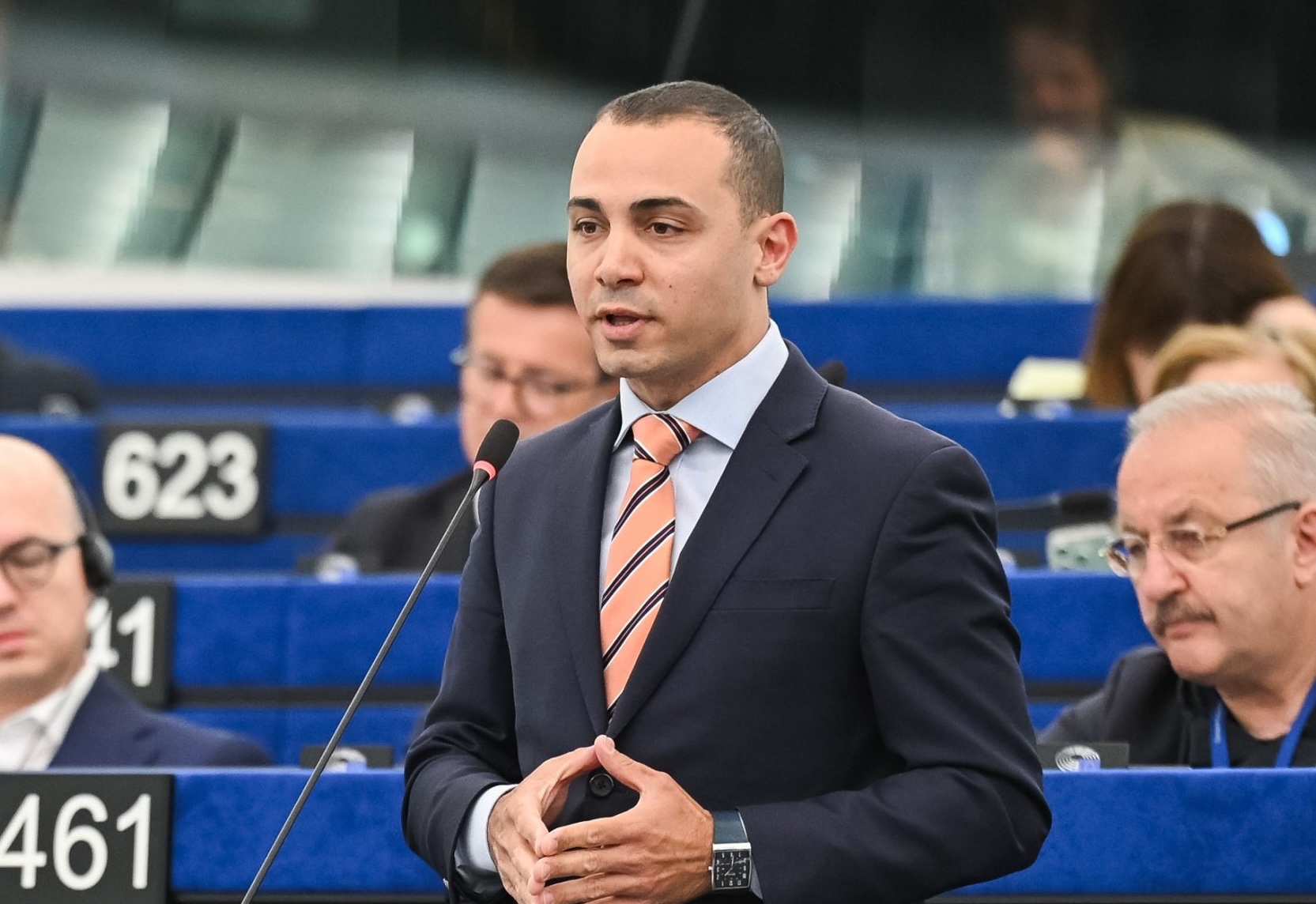
Daniel Attard, Parliament’s rapporteur on the file, said the vote sends a strong signal ahead of the EU’s first sustainable tourism strategy. “I welcome the strong backing for my report on Europe’s first sustainable tourism strategy. It will help spread tourism more evenly across regions, improve connectivity, support better work conditions, protect the environment, preserve our identity, and call for fair rules on short-term rentals across Europe,” he said.
The European Commission is expected to unveil its strategy in the coming months.