


Philadelphia is planning to offer free train travel to football fans leaving matches during the 2026 FIFA World Cup, in a move designed to make the event more accessible. The initiative is being organised by the city’s host committee in partnership with Airbnb. It will allow spectators to travel home at no cost after games played at Lincoln Financial Field.
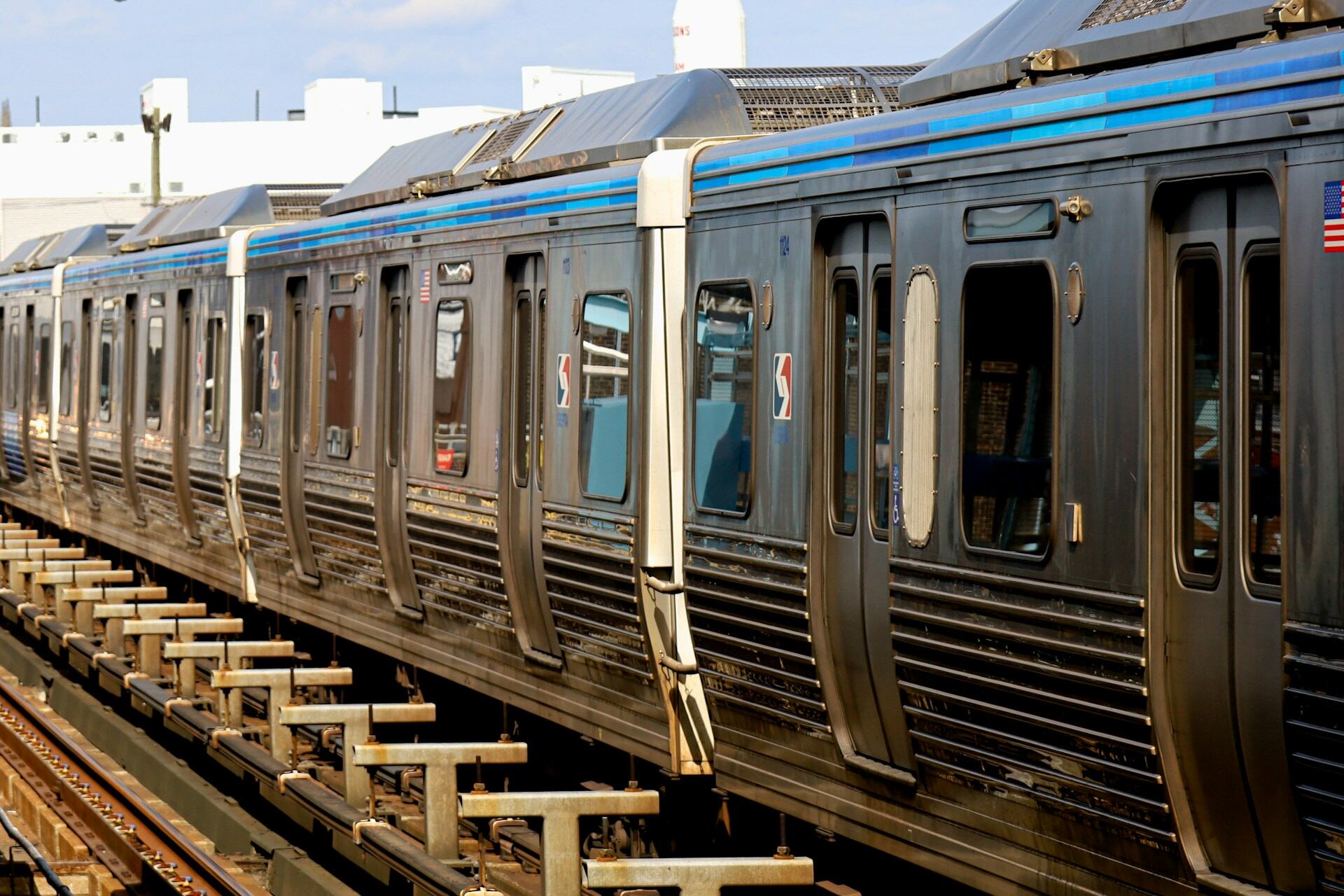
The system will rely on the Broad Street Line, part of the public transport network operated by SEPTA. This subway line connects the stadium area to the rest of the city and is one of the main ways to reach the venue. Fans will still need to pay a standard fare of $2.90 (€2.5) to travel to matches. However, from half-time until two hours after the final whistle, journeys from the nearby NRG Station will be free. This approach is meant to reduce congestion and help large crowds leave safely.
We're teaming up with @Airbnb to provide free rides home on SEPTA’s B after all six FIFA World Cup™ matches in Philly! pic.twitter.com/b5p6lhF23T
— FIFA World Cup 26 Philadelphia™ (@FWC26Philly) April 20, 2026
Philadelphia will host six matches during the tournament, including games featuring major teams such as Brazil and France. One of the matches will take place on July 4 2026, which is Independence Day, adding to the significance of the event. The stadium’s central location makes it easier to access compared to some other venues. This is important for international visitors who may not be familiar with local transport systems. Clear and affordable options can make a big difference in how visitors experience the city.
The decision stands in strong contrast to transport plans in New Jersey, where fans have been told they may need to pay up to $150 (€128) for a return train journey to MetLife Stadium. The price has been widely criticised by supporters and has even raised concerns from FIFA. Critics say such high costs could discourage attendance and create problems on match days. The difference in pricing is striking, especially since the distance involved is relatively short. This has led to questions about fairness and consistency across host cities.
We inherited an agreement where FIFA is providing $0 for transportation to the World Cup.
— Governor Mikie Sherrill (@GovSherrillNJ) April 15, 2026
And while NJ TRANSIT is stuck with a $48 million bill to safely get fans to and from games, FIFA is making $11 billion.
I’m not going to stick New Jersey commuters with that tab for years… pic.twitter.com/pugU8davkW
Other cities are taking different approaches to transport during the tournament. In Kansas City, organisers plan to offer free buses from the airport to the city centre. They will also introduce low-cost travel passes for use during the competition. Meanwhile, Dallas will provide affordable train tickets combined with free shuttle buses to reach AT&T Stadium.
Philadelphia’s ability to offer cheaper and even free options is linked to planning and investment. The city began preparing early and secured financial support from both public and private partners. Funding from Airbnb has played a key role in covering the cost of free travel after matches. The city also benefits from having a stadium close to its centre, which reduces the need for long and expensive journeys.
Beyond transport, the tournament takes place at a time when the United States is facing challenges in attracting international visitors. Recent years have seen a decline in tourism, sometimes referred to as the “Trump Slump”. Policies on visas and travel, as well as political debates, have influenced how the country is viewed abroad. Although the World Cup was expected to boost visitor numbers, early data suggests demand remains uncertain. Lower flight bookings and modest hotel growth indicate that the recovery may be slower than hoped.
In this context, initiatives like free transport can play an important role. They help create a more welcoming and accessible environment for visitors. Cities such as Philadelphia are using the tournament not only to host matches but also to improve their image and infrastructure. These changes may have lasting benefits long after the final game has been played. At the same time, differences between host cities show that the overall experience of the World Cup in the United States may vary widely.