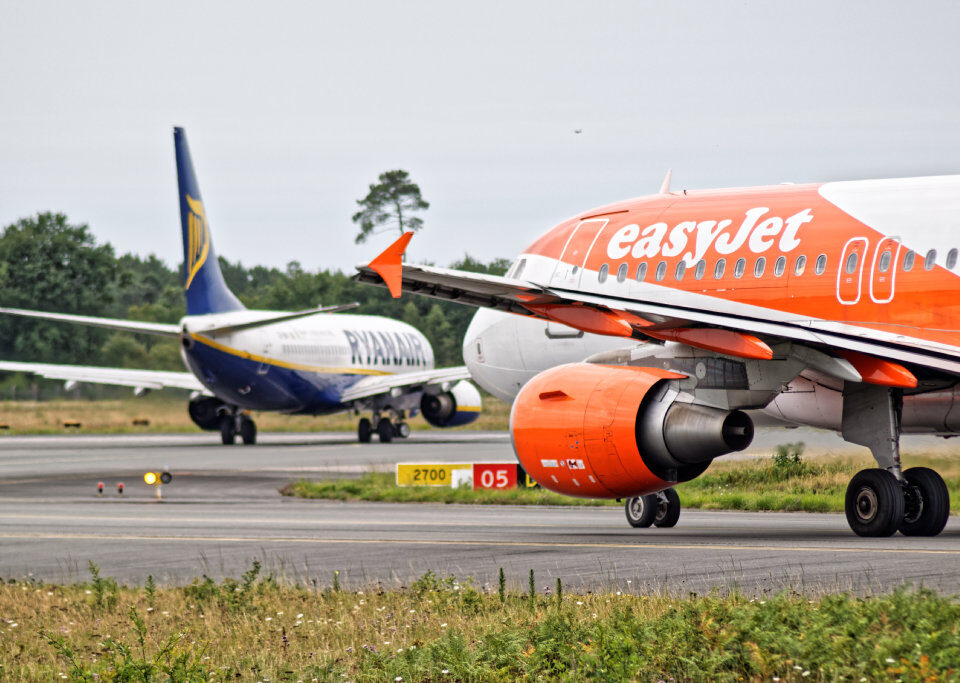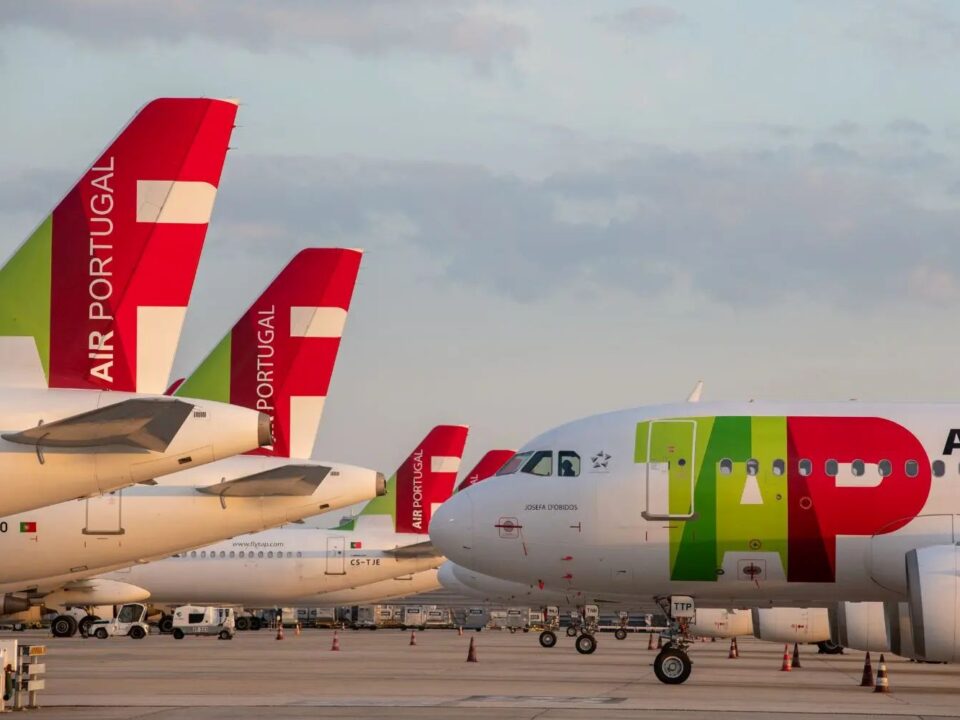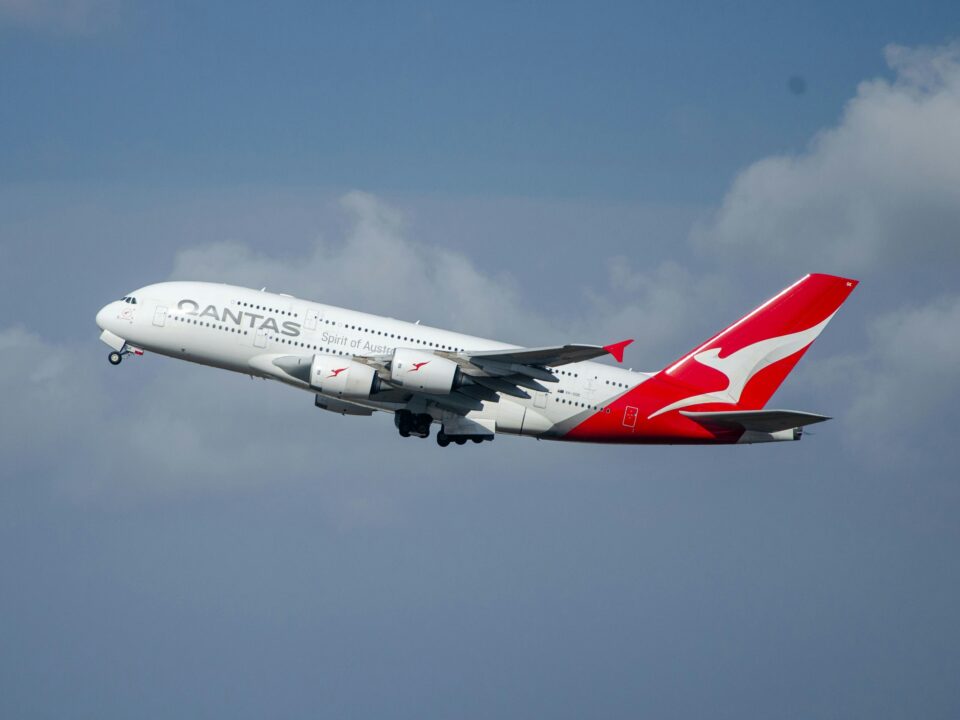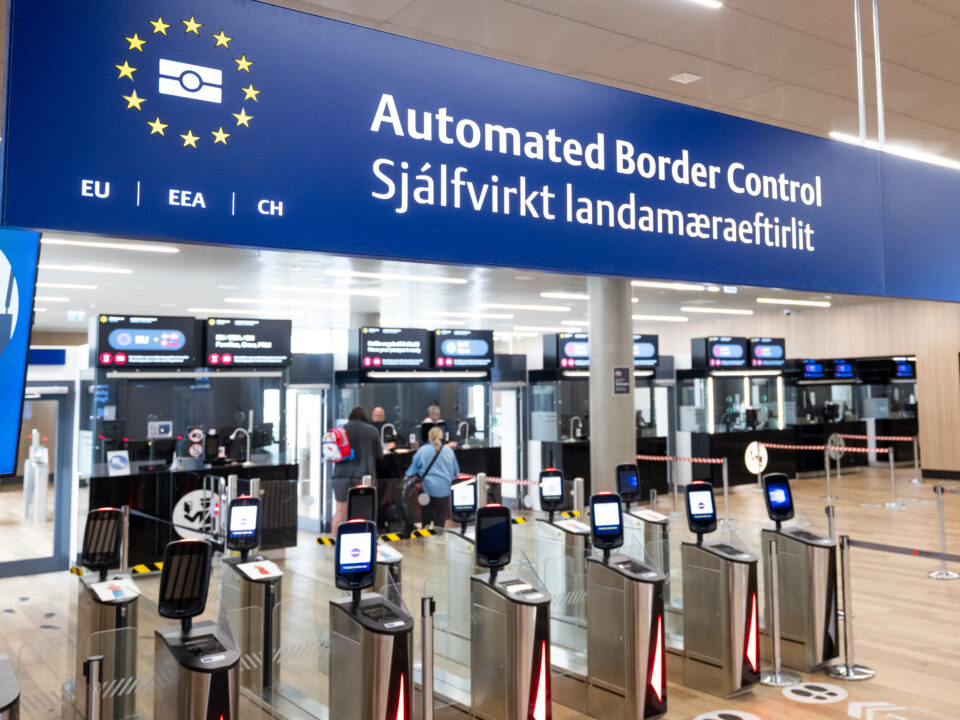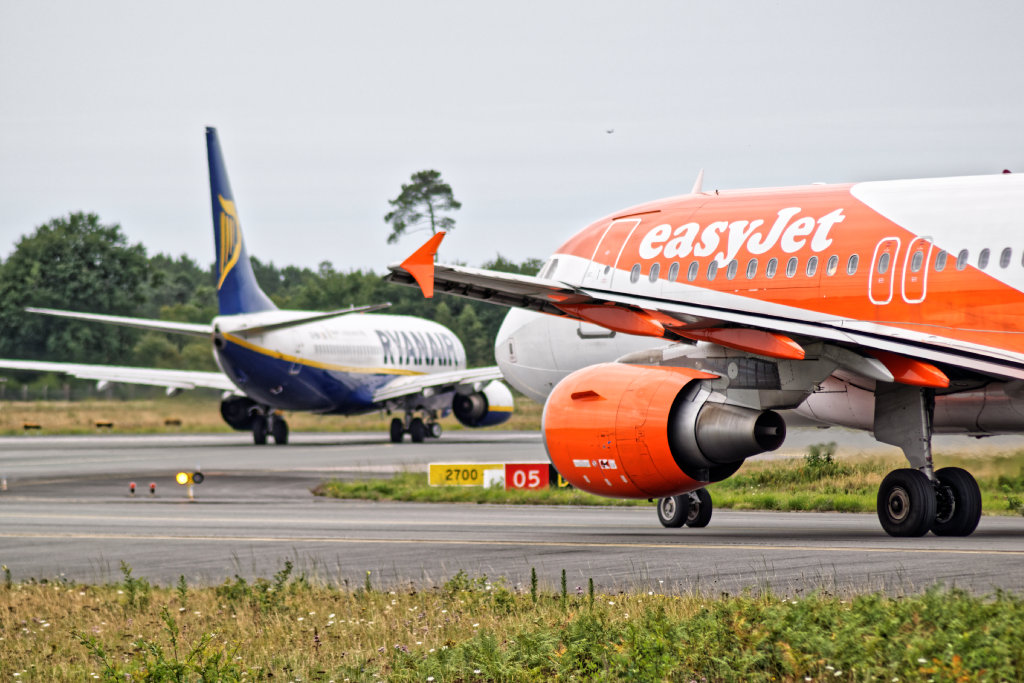



Foreign airlines are preparing to resume flights to Qatar after weeks of disruption caused by regional tensions. The country’s main gateway, Hamad International Airport, will gradually reopen to international carriers. Authorities confirmed that operations will restart in phases to ensure safety and efficiency, marking an initial step toward reconnecting Qatar with global travel networks.
Operational Update
— Hamad Int'l Airport (@HIAQatar) April 21, 2026
Airline partners resume flights to Hamad International Airport.
Starting 21 April 2026, airline partners are gradually resuming operations at Hamad International Airport, in line with the Qatar Civil Aviation Authority's recent announcement.
For bookings and… pic.twitter.com/boJDSDIFZ8
The Qatar Civil Aviation Authority said the decision comes after a full assessment of the situation. Officials stressed that all flights will follow strict international safety and security standards. Measures are in place to protect both passengers and aviation staff. The reopening follows a temporary shutdown of Qatari airspace earlier this year due to rising tensions in the region.
Flight activity had already partially resumed in March, but only under limited conditions. During that period, Qatar Airways continued to operate a small number of flights, mainly focused on repatriation, essential travel and cargo. These flights connected Doha with major European cities such as London, Paris, Madrid, Rome and Frankfurt. However, the airline was the only carrier allowed to operate, and capacity remained very restricted. The latest announcement marks a broader reopening, with foreign airlines now set to return and overall operations increasing.
At the same time, Qatar Airways is expanding its network ahead of the busy summer season. From mid-June, the airline plans to serve more than 150 destinations worldwide. This includes dozens of routes across Europe, Africa, Asia, the Middle East and the Americas. The goal is to reconnect passengers with more destinations and increase travel options during peak months. Before the crisis, the airline served over 170 destinations globally.
For travellers, this gradual reopening means more flexibility when planning trips through Doha. More flights will become available, although schedules may still change at short notice. Passengers are advised to check for updates regularly and review their booking options. Many tickets remain flexible, allowing changes or refunds depending on availability.
Qatar Airways announces resumption of flight operations between Doha and key destinations across the Middle East, reinstating daily services to the United Arab Emirates and Syria.
— Qatar Airways (@qatarairways) April 23, 2026
Starting 23 April 2026, Qatar Airways will resume daily flights to Dubai (DXB), and Sharjah (SHJ),… pic.twitter.com/s3TdWpHGEW
The reopening of Doha’s hub is also important because of its role in global travel. Hamad International Airport is a key connection point between Europe, Asia and Africa. When operations are disrupted, it affects not only Qatar but also international travel flows. Restoring flights helps stabilise routes and improve connectivity worldwide. It also supports airlines and tourism industries that depend on these links.
However, the recovery comes at a challenging time for aviation. Airlines around the world are facing rising fuel costs, which have increased sharply in recent months. Fuel is one of the biggest expenses for airlines, often making up around 30% of total costs. As a result, many carriers are increasing ticket prices, reducing flights or adding extra charges. This means travellers may still face higher costs even as routes reopen.
Overall, the return of foreign airlines to Doha shows that the situation is improving, though the recovery is expected to take time. Flights are gradually resuming, but the global aviation sector remains under pressure with the summer season approaching. Demand is set to rise significantly, while challenges such as fuel prices and operational limits persist. Travellers can expect more options, but some uncertainty is likely to remain in the months ahead.