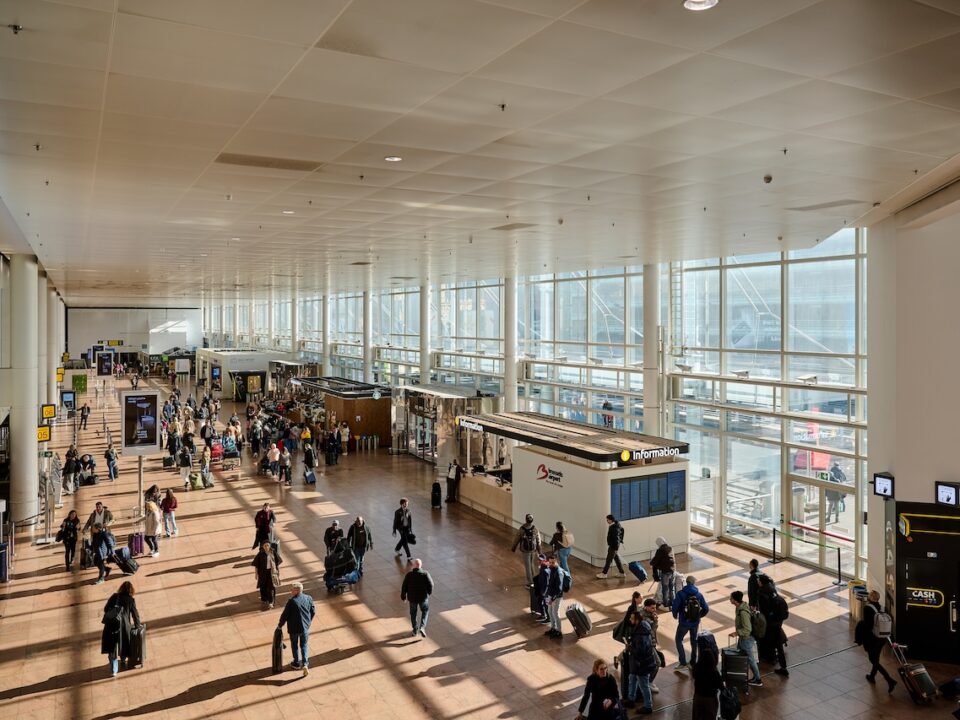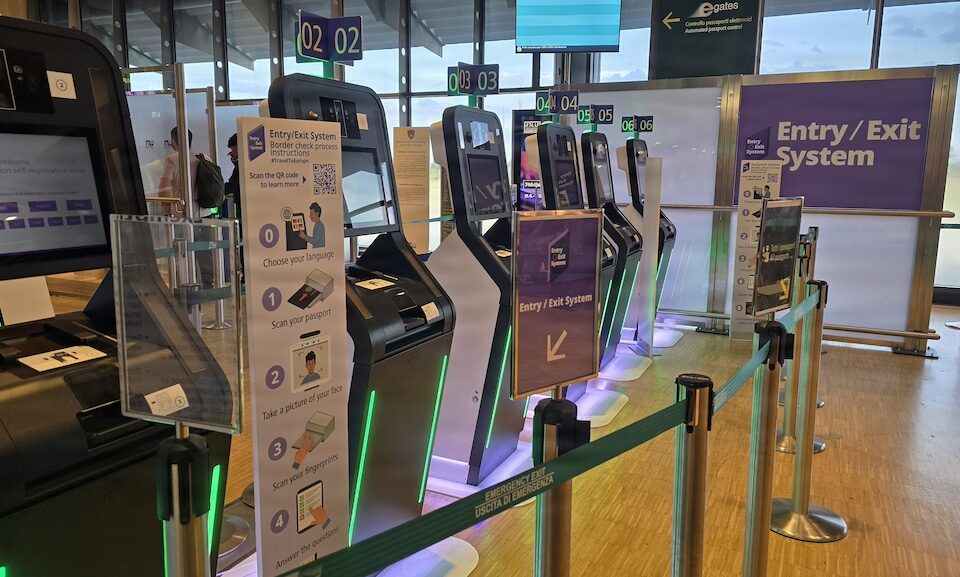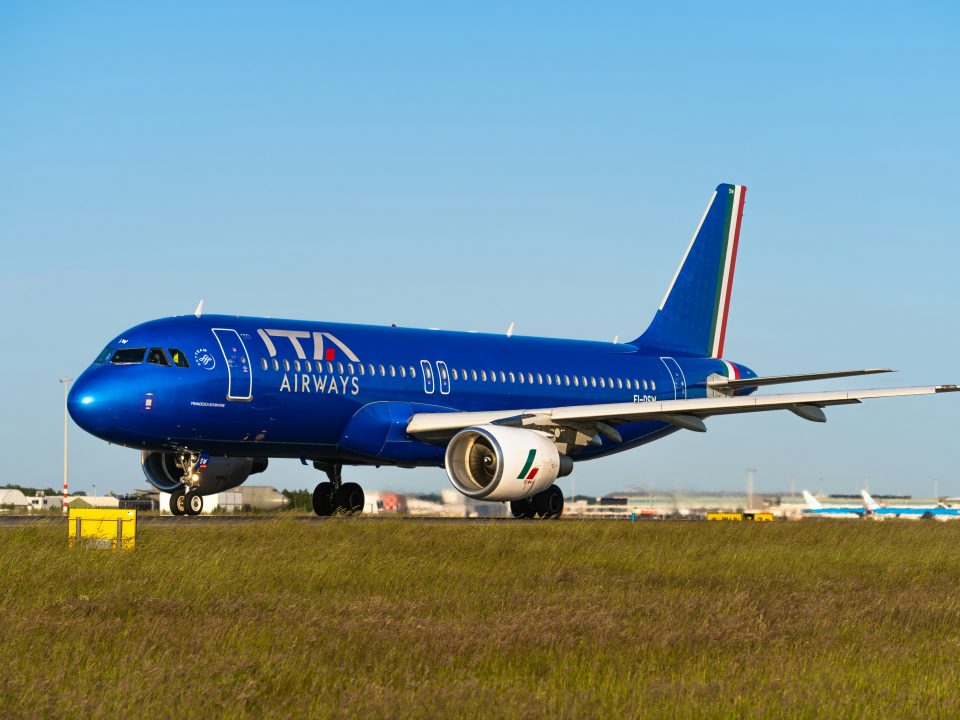

While the war in the Middle East is reshaping aviation, affecting prices, flight availability and routes, it has not dampened people’s desire to travel. It has merely redirected it.
Gulf destinations are losing ground to southern Europe, the main beneficiary of the shift, as travellers opt for safer, closer alternatives.
According to the online travel agency Lastminute.com, the ongoing war has impacted 17,000 bookings, forcing travellers to rethink their plans. The company, which is based in the Netherlands, said it has had to “adapt quickly” to changing customer preferences, with demand moving away from destinations such as Dubai and Abu Dhabi, and towards the Canary Islands, the Balearic Islands, Sicily, Sardinia, and other European city breaks.
The company says that the total volume of travel affected in the region currently amounts to roughly a day and a half of its normal daily operations. However, while the conflict is clearly influencing when and where people book, the company stressed that the “overall intent to travel remains high”. What consumers want now more than anything is reassurance and flexibility.
Disruption began when the US-Israeli conflict with Iran escalated at the end of February 2026, triggering immediate flight cancellations across Gulf states, including the United Arab Emirates, Saudi Arabia, and Qatar. Airspace closures, combined with shaken consumer confidence, have forced airlines, tour operators and booking platforms to proceed cautiously. At the same time, rising fuel costs are adding another layer of pressure to the aviation and travel sectors.
Fuel accounts for around a quarter of an airline’s operating costs, so prolonged price increases are particularly difficult to absorb. Airlines, including American Airlines, Lufthansa, Air France-KLM and Qantas, are already passing these costs on to passengers by increasing fares. The situation in Europe is particularly acute: Italian and British hubs are reporting the first signs of fuel-related operational pressure, as the conflict disrupts supply corridors that account for nearly a third of the continent’s jet fuel.
Demand remains resilient, as evidenced by both passenger numbers and Lastminute’s financial results. Wizz Air carried 5.51 million passengers in March, an increase of 8.4% year on year, while Ryanair flew 15.8 million passengers, a 5% increase on the same month last year. Lastminute itself reported a 15% rise in revenues to €361 million for 2025, with adjusted earnings up by around a third to €55 million, and it is still forecasting roughly 10% growth in both revenues and profits for 2026. This does not mean the sector is untouched, however. Rather than erasing demand, it is being redirected.
Chief executive Alessandro Petazzi said the group was continuing to closely monitor the evolving situation in the Middle East, relying on its flexible, pan-European model to enable it to respond quickly as travel patterns evolve and demand naturally rebalances across destinations.
The wider regional picture is far grimmer. According to the World Travel & Tourism Council, the conflict is costing the Middle East’s visitor economy at least $600 million a day, a figure that highlights how quickly travel disruption can turn into economic damage.
If the conflict continues and fuel remains expensive, travellers may feel the impact more directly through fewer seats and higher fares. The question is whether this moment will simply reshuffle holiday destinations, or whether it may also prompt people to reconsider how they travel.