
Questions continue over President Donald Trump’s negative impact on inbound tourism to the United States, with data emerging that shows the FIFA World Cup might not be the remedy travel sector stakeholders had hoped.
The so-called “Trump Slump” is a well-documented, long-term wave of negative sentiment among travel consumers that has kept them from visiting the US, amid the controversial President’s statements on annexing Canada (a key source market), and Greenland, hardline policies on immigration and LGBTQ+ rights, as well as proposals to make social media account disclosure mandatory for arrivals.
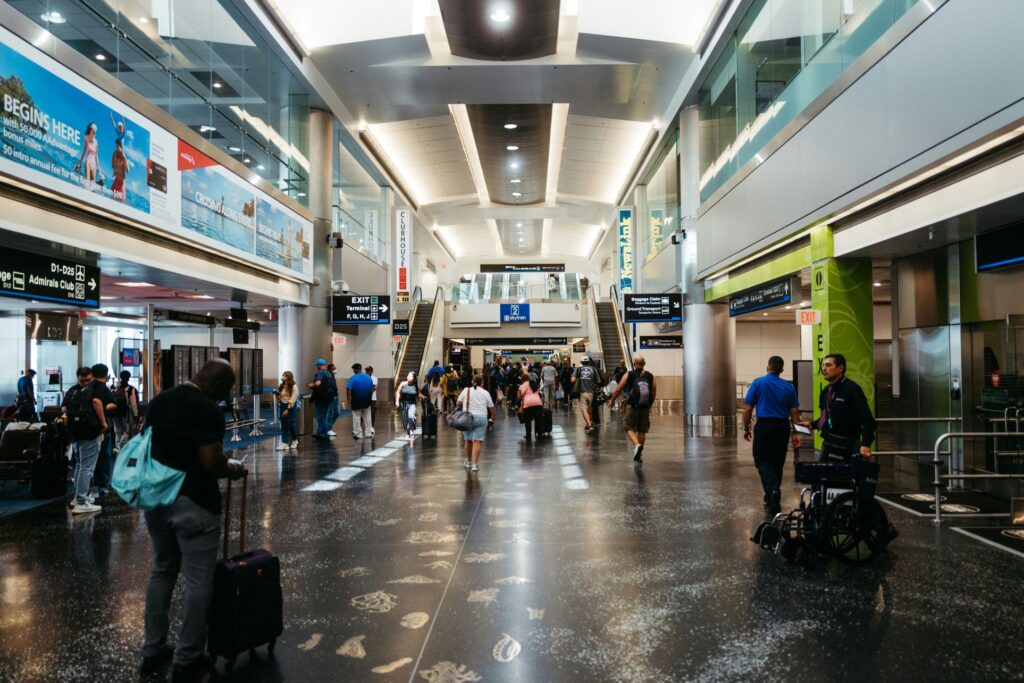
Making matters worse, costs for tourist visas have gone up, and citizens from some countries have faced official advisory warnings about the US as a destination. For a long list of nations deemed to have deficient security checks, there have been outright travel bans. The overall result has been months of declining tourist arrivals that added up to a decrease of 5.4% year-on-year in 2025, with 6.3% fewer overnight stays.
While worldwide financial instability driven by tariffs and conflicts has created uncertainty, other tourism destinations have not suffered as badly. Apart from the US, the global travel market rose by four percent last year.
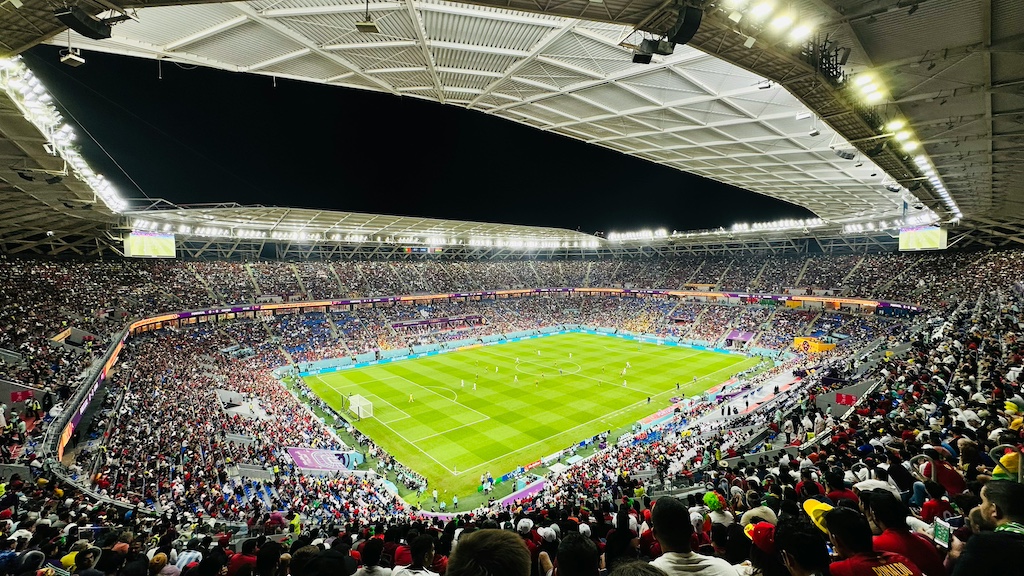
It had been hoped that, as a host country (alongside Canada and Mexico) of the 2026 FIFA World Cup, the US would now benefit from a significant boost to its travel sector. Analysts at Tourism Economics had predicted “a powerful rebound” of overnight trips to improve the situation by 3.7% for the year, one-third driven by the event.
But recent figures show that the boycott of the US appears to be continuing. January 2026 saw 5.2% fewer visitors than the same month last year. February saw a slight increase of 0.8%, according to the National Travel and Tourism Office.
Journalist, "Why is travel to the US from Western Europe down over 12%?"
— Farrukh (@implausibleblog) April 23, 2025
President Trump, "Nationalism"
Journalist, "Do you think some people are scared to come here because they hear the stories of tourists who are detained for a few days, or a week or two?"
President Trump,… pic.twitter.com/FLNwnyZVyP
Whether bookings will pick up as the tournament draws closer remains to be seen, but so far, aviation intelligence firm Cirium says that transatlantic flight bookings from Europe to the US for summer 2026 are 14% lower than they were in 2025, which was already a bleak year, as seen.
And when it comes to hotel reservations, the latest forecast from CoStar and Tourism Economics foresees a modest 1.7% increase in revenue per available room for June and July. Expectations have been further tempered by the fact that many rooms were booked years ago, when the US as host was first announced. Hotel chains such as Pivot and HRI are reporting confirmation of take-up of those rooms at between just 15% and zero.
Events have increasingly been seen to wield great power in attracting visitors, but in a sector that supports at least 140,000 jobs, whose marketing arm, “Brand USA”, was slashed mid-2025, it seems that it might take more than one World Cup to get the ball rolling again.