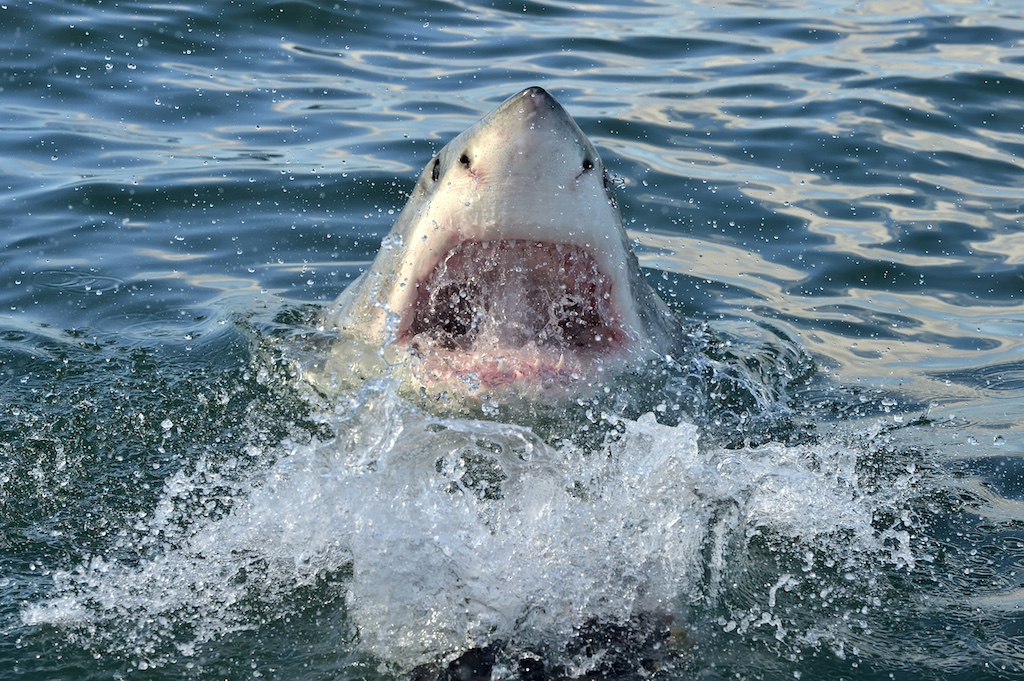



On top of plastics, agricultural waste, and oil spills, there’s a new type of ocean pollution to worry about, according to new research that shows sharks on drugs are lurking in the waters of the Bahamas.
A new paper published in Environmental Pollution shows that at least three species in the Caribbean have been swimming the region’s waters under the influence of painkillers and stimulants. Detectable levels of cocaine, caffeine, acetaminophen, and diclofenac were found in almost a third of the 85 creatures studied around Eleuthera, one of the Bahamas’ most remote islands.
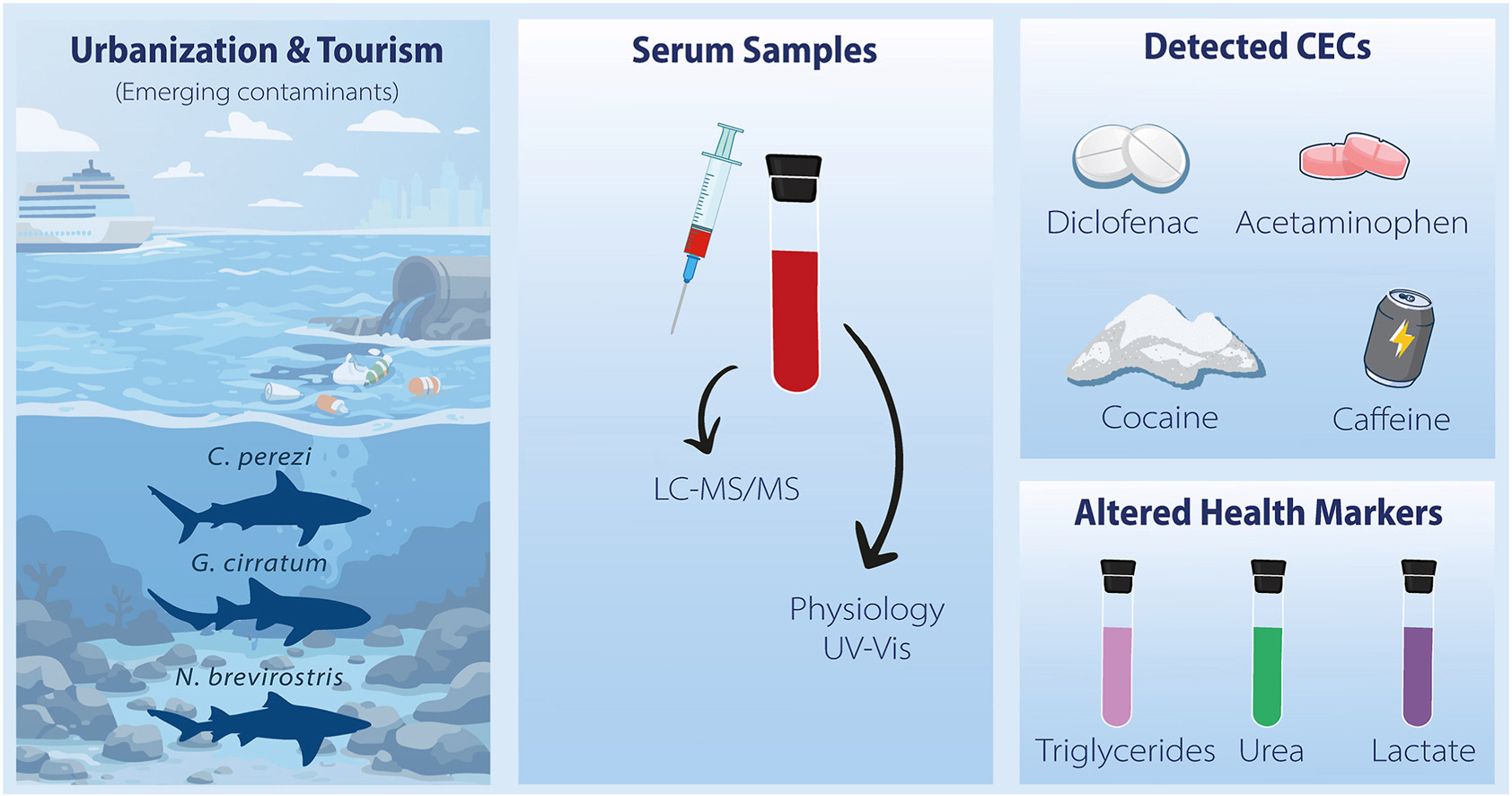
Caribbean Reef Sharks, Atlantic Nurse Sharks, and Lemon Sharks were the three species out of the five monitored that possessed metabolic markers associated with drug contamination. No traces were found among Blacktip Sharks and Tiger Sharks.
The effect of the drugs on shark behaviour and levels of aggression is yet to be fully explored, Natascha Wosnick, one of the paper’s authors and a biologist at Federal University of Paraná in Brazil, said. Research on goldfish suggests caffeine increases their energy and focus. Some reports have highlighted unusual shark behaviour in the region, including a normally reclusive hammerhead captured on camera during Shark Week, appearing to target divers.
But the drugs could be taking their toll on the sharks’ health, with some exhibiting the symptoms of drug-associated kidney disease, such as altered lactate, triglyceride, and urea levels.
🚨Report: Cocaine-fueled sharks are currently on the loose in the Caribbean as scientists blame partying tourists pic.twitter.com/2LiSDK6pI9
— The Calvin Coolidge Project (@TheCalvinCooli1) March 29, 2026
It also remains unconfirmed how and where the creatures are consuming the drugs, though sewage pollution and human behaviour are being held up as the likely causes. Some have blamed hard-partying tourists in the region, while local fishermen claim to have witnessed sharks biting into packets of cocaine thrown overboard by drug smugglers.
The researchers note: ‘Pharmaceuticals and illicit drugs are increasingly recognised as contaminants of emerging concern (CECs) in marine environments, particularly in areas undergoing rapid urbanisation and tourism-driven development.” And even though Eleuthera is relatively undeveloped and not one of the Caribbean’s most frequented spots, Wosnick went further in describing the cause of the phenomenon, telling Science News: “It’s mostly because people are going there, peeing in the water and dumping their sewage in the water.”
With the Caribbean region economically reliant on tourism to the tune of between seven and 90% of GDP, depending on the island, Tracy Fanara, a Florida oceanographer not associated with the research, said the findings are a “reminder that coastal infrastructure, tourism and marine food webs are tightly connected.”