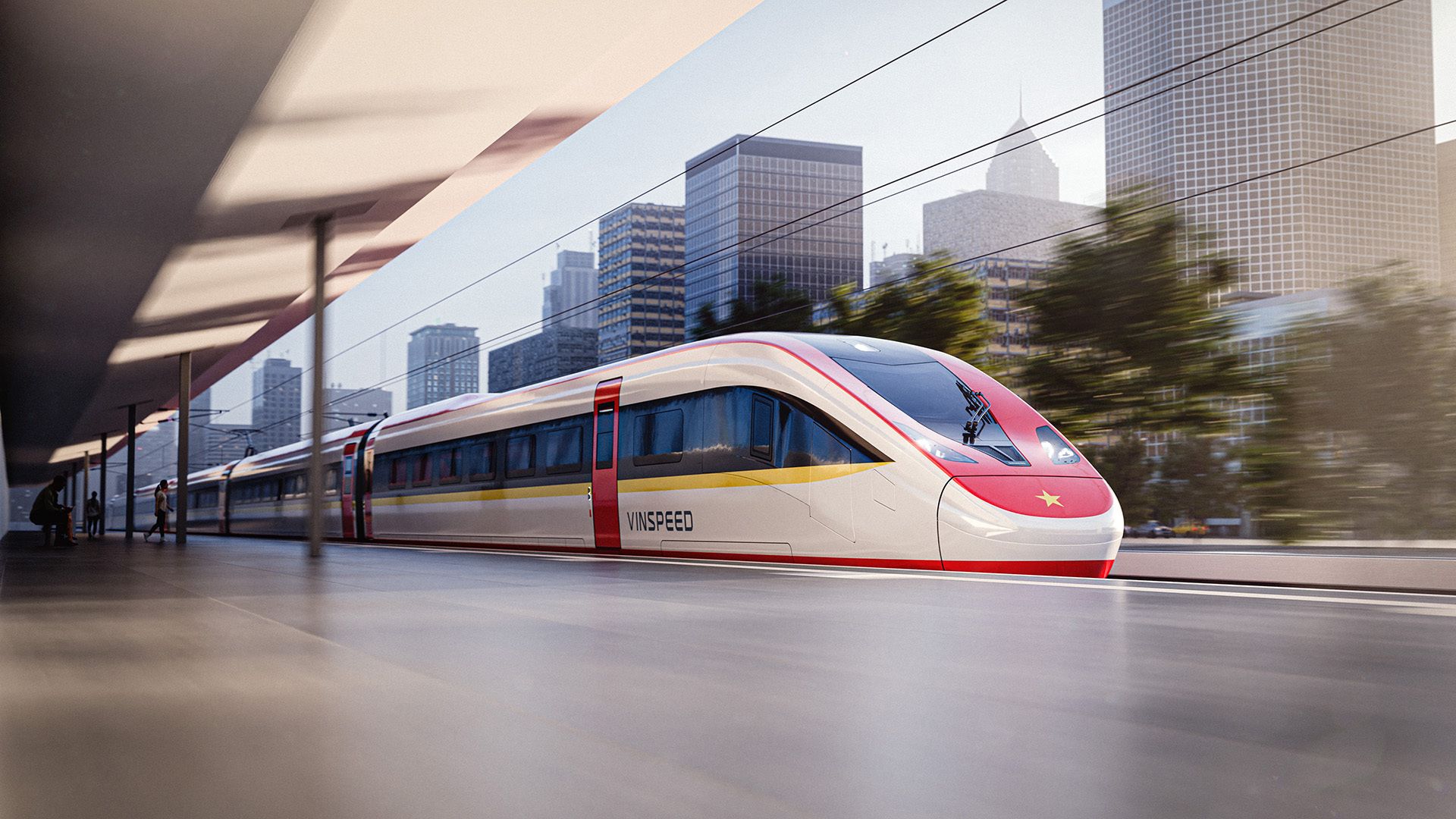



Vietnam is preparing to transform travel in its northern region with a high-speed railway linking Hanoi and Halong Bay. The 120-kilometre, fully electrified line is designed to run at speeds of up to 350 km/h (217 mph). Once operational in 2028, the journey from Hanoi to Quang Ninh province, home to the UNESCO World Heritage Site Halong Bay, will take just 30 minutes. Currently, the same trip by road can take around three hours, making day trips for tourists far more convenient.
@asianlife_fr This is your sign to visit Ha Long Bay — a natural wonder with surreal landscapes, vibrant turquoise water, hidden caves to explore, and peaceful kayak rides through quiet lagoons. Whether you go for a 1-day tour from Hanoi or spend 1-2 nights on a boat, this magical place deserves a spot on your bucket list Planning a trip to Vietnam? Don't skip Ha Long Bay! Tag the person you'd take on this epic adventure. Follow me for more dreamy spots you can't miss in Vietnam! Comment « link » 🔗 to get the direct booking Vietnam | Halong Bay | Hanoi | Paradise | Travel | Cruise #halongbay #halongbayvietnam #hanoi #vietnam #travelvietnam ♬ son original – asianlife_fr
The railway will connect four key cities and provinces: Hanoi, Bac Ninh, Hai Phong, and Quang Ninh. Five stations are planned along the route, beginning at Co Loa Station in Hanoi and ending near Tuan Chau public park. In addition, a maintenance depot will be located at Ha Long Xanh for train storage and operations. Vietnamese conglomerate Vingroup’s VinSpeed is leading the construction, with the German company Siemens providing rolling stock and subsystems. This project is Vietnam’s second high-speed line, following the North-South line from Hanoi to Ho Chi Minh City, which is expected to be completed by 2035.
The new line is expected to bring major benefits beyond travel convenience. Quang Ninh’s proximity to China’s Guangxi Zhuang autonomous region means the rail will strengthen cross-border connectivity. Officials say improved rail links with China will help reduce logistics costs, integrate Vietnam into broader Asia-Europe supply chains, and elevate the country’s position in regional trade networks. “Railway infrastructure is a strategic breakthrough for economic development and bilateral trade with China,” says To Lam, general secretary of Vietnam’s Communist Party Central Committee.
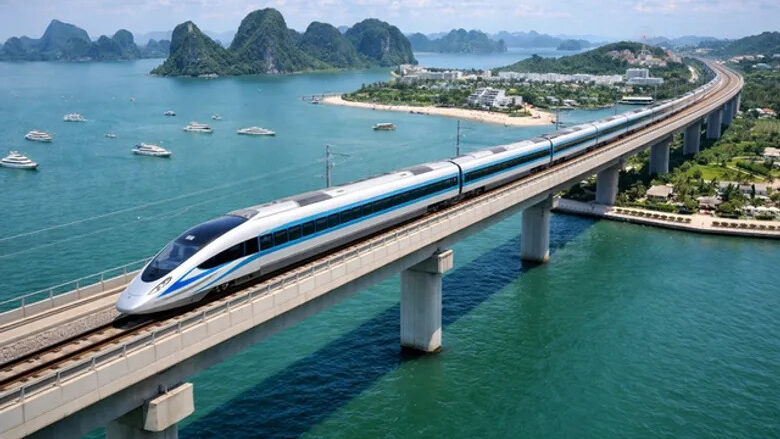
Tourism in Vietnam is also set to gain from easier travel. The country recently introduced a 10-year golden visa program to attract international residents, investors, and professionals, while simplifying applications through online processes. Visa exemptions have been expanded for European countries, including Belgium, France, Germany, and others, making it easier for tourists to visit key destinations like Hanoi, Ho Chi Minh City, and Da Nang. The National Authority of Tourism expects foreign arrivals to reach up to 23 million by the end of 2025, driven by visa reforms, easier travel, and improved infrastructure.
Vietnam’s high-speed rail is part of a global trend to make travel faster and more efficient. In Europe, the EU plans to cut travel times from Berlin to Copenhagen to around four hours by 2030, compared with seven hours today, through new high-speed rail links. The goal is a connected network across the continent by 2040, allowing people to travel quickly and sustainably between major cities. In the United States, California is building a high-speed line between Los Angeles and San Francisco, expected to start operating in the 2030s. These projects show how Vietnam is following a worldwide push for faster, greener rail travel, opening up easier connections for both tourists and business travellers.
The Hanoi–Halong Bay line will support sustainable tourism and make northern Vietnam more accessible. By encouraging train travel over roads or flights, the project reduces emissions and congestion while helping the country meet environmental goals. Visitors will be able to explore Hanoi’s cultural sites and Halong Bay’s natural beauty in a single day, boosting the appeal for international tourists.
With construction starting in 2027 and operations expected by 2028, the railway will bring faster travel, economic growth, and stronger international connectivity. Along with visa reforms and promotional campaigns, this makes Vietnam an increasingly attractive destination for both leisure and business travellers from Europe, the U.S., and beyond.