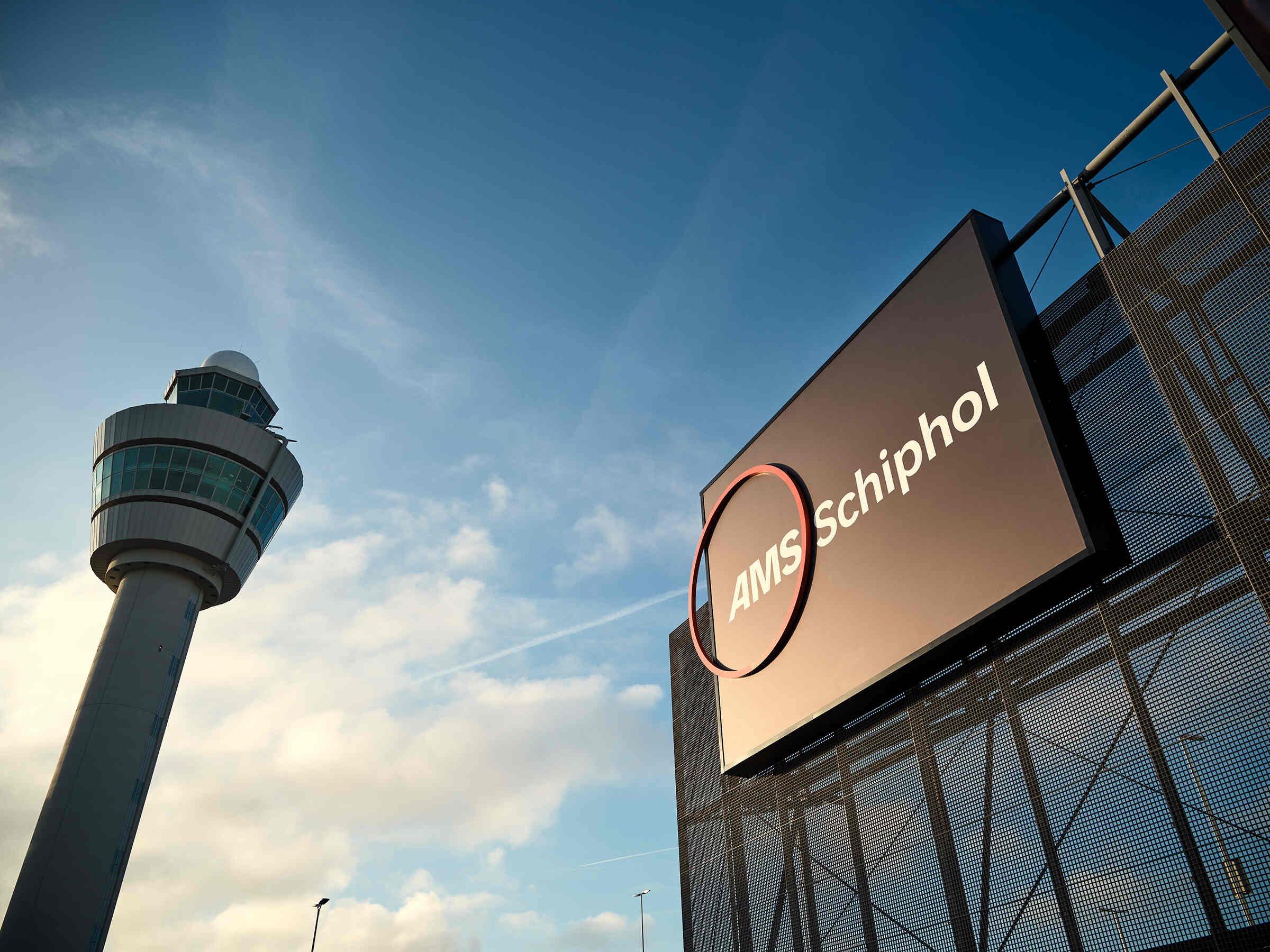



A Dutch court has scrapped a government decision to cap the number of flights at Amsterdam Schiphol Airport, removing a key restriction that had been introduced to curb noise pollution and environmental impacts at one of Europe’s busiest aviation hubs.
The Netherlands’ highest administrative court overturned a 2024 government decision that aimed to limit annual flight numbers to 478,000. The cap had been introduced as part of a wider effort to reduce noise for residents near the airport and was expected to cut airport noise levels by around 15%.
According to the court, the government had not sufficiently justified the decision. It found that the measure failed to properly account for differences in aircraft noise levels and did not demonstrate clearly that the cap would actually reduce noise pollution.
However, the court decided to keep a separate government measure limiting nighttime flights to a maximum of 27,000 movements. As none of the parties involved in the legal challenge contested this measure, it will remain in place.
Schiphol Watch is hopeful that this will cause a fundamental shift in how aviation noise and the rights of the local residents will balanced:
— The Aviation Environment Federation (@The_AEF) March 11, 2026
The question is no longer how many flights Schiphol "needs," but how much noise Schiphol is permitted to produce within legal limits.” 2/2
The ruling follows legal challenges brought by airlines, which argued the cap would severely impact operations at Schiphol and damage the aviation sector. At the same time, environmental campaigners and residents near the airport had pushed for stricter limits on flights due to concerns over noise pollution.
The debate over flight limits reflects a broader conflict in the Netherlands between environmental goals and the economic role of aviation. Amsterdam Schiphol Airport is one of Europe’s busiest hubs, handling tens of millions of passengers annually and serving as a key international transit point. The airport has also announced long-term plans to invest billions of euros in modernising facilities, enhancing passenger comfort, and reducing emissions by 2035.
The court’s ruling comes after the Netherlands introduced a 2.9 percent increase in the air passenger tax, raising the basic fee from €29.40 to €30.25 to fund environmental and sustainable aviation measures, though critics say it could make flying more exclusive, affecting connectivity and the wider economy.