

The experience of awe that occurs while listening to whale song can influence people to be more mindful and proactive about protecting the environment, a new study has found. The research, by scientists at Australia’s University of the Sunshine Coast, suggests that immersive experiences and soundscapes could be the key to persuasive eco-tourism attractions.
Published in March 2025 in the Journal of Environmental Psychology, the paper explores “the impacts of the soundscape, awe and knowledge on pro-environmental intent (PEI).” That intent plays out in pro-environment actions such as recycling, minimising waste and donating time or money to environmental causes.
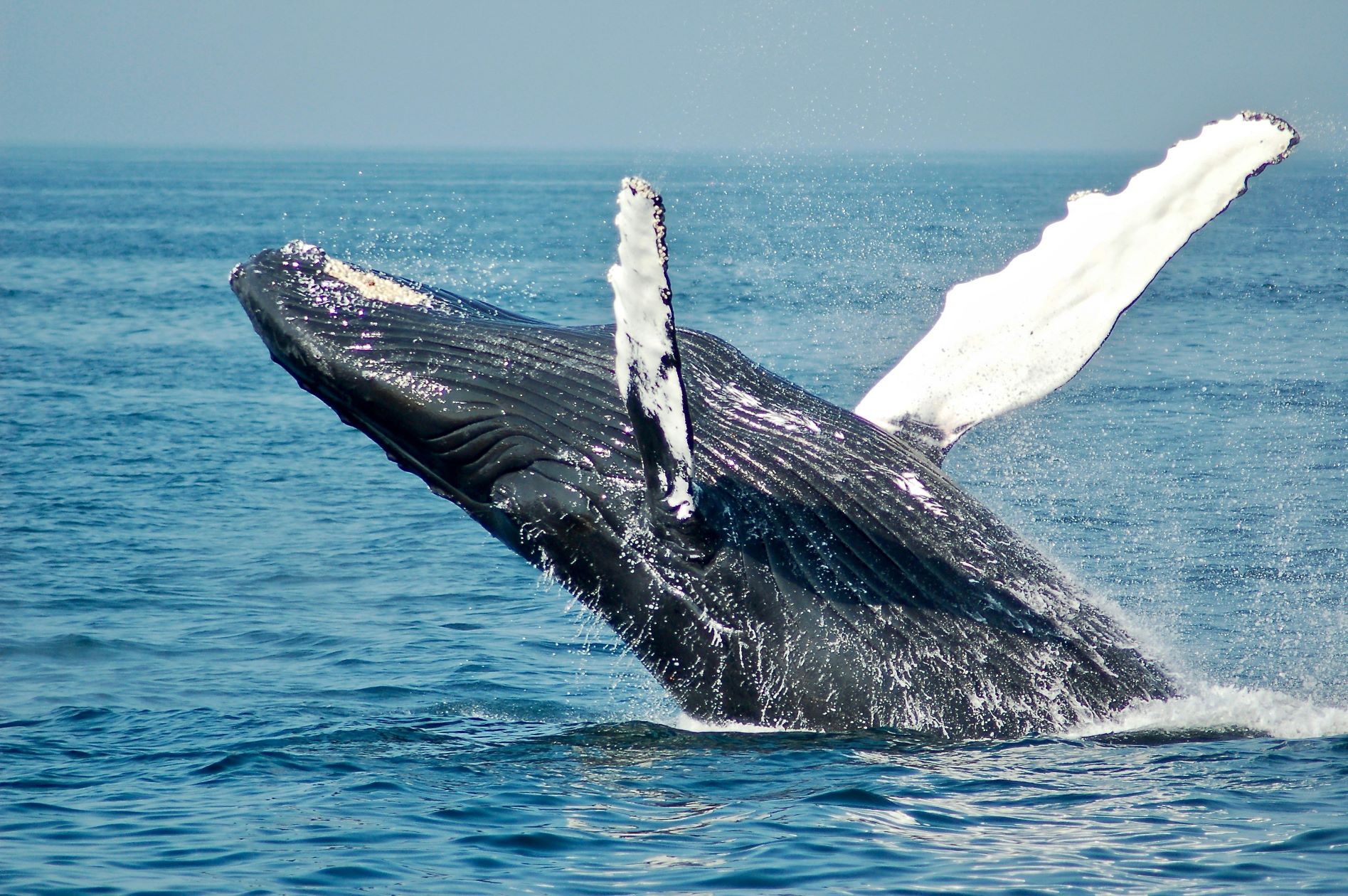
The team spent three seasons tagging along with trips with Sunreef, a tourism operator based off the Queensland coast at Mooloolaba. During the whale-watching and swim-with-whales tours, participants were surveyed on their attitudes and emotions as they were exposed not only to the sights but also the sounds of their marine surroundings.
Fostering connectedness with nature
In fact, participants on the whale-watching tours were exposed to naturally-occurring or pre-recorded whale song. It made no difference, however, if the sounds were spontaneous or pre-recorded vocalisations: both groups of whale-watchers reported feelings of awe. Awe is characterised by the researchers as “altered time perception, feeling small in the presence of something greater, connectedness, immensity, vastness, physical sensations, and the need for accommodation.” It is that emotional response, awe, that they have found “significantly predicts heightened PEI, particularly in fostering connectedness with nature,” the researchers say.
Lead author Dr Vikki Schaffer said the findings illustrate the potential importance of including natural soundscapes as part of the design of transformative visitor experiences. She described sound as “a natural resource that’s often overlooked” but is “critical to both marine life and to human connection with the ocean.”
Design lessons for eco destinations
Acting on the research to include sound could help to ensure that eco destinations and attractions have a meaningful impact on visitor behaviour, rather than simply providing a day out, Schaffer said, voicing a wish for “people to walk away not just with a photo but with a mindset that supports protecting our oceans.”
Schaffer also took the opportunity to point out the need to “protect underwater acoustic environments from noise pollution caused by boats and human activity.”
Biological oceanographer John Ryan agrees. He always brings a large subwoofer when he gives a talk because, he says: “We can only care for something, and we can only find a sense of caring within ourselves, if we feel some connection to it. And I think sound naturally does that for whales.”