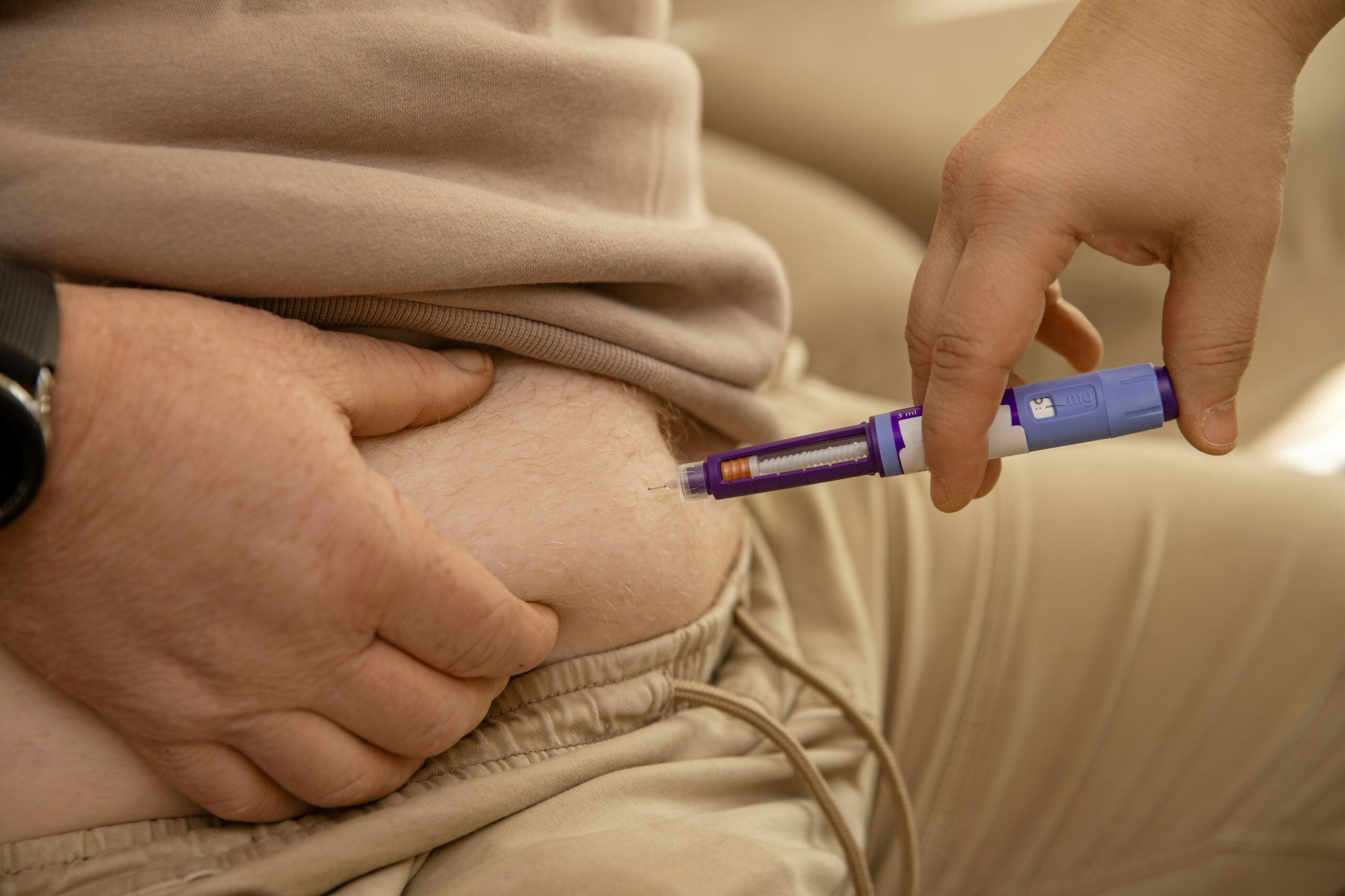



A new study has found that weight loss drugs could offer an additional benefit by helping people with cardiac issues to reduce the risk of complications after a heart attack.
These drugs, known as GLP-1 receptor agonists, are typically used to treat type 2 diabetes and, more recently, obesity. However, new results published in Nature Communications reveal that these drugs do much more than manage weight. They may actually solve one of the most dangerous problems in cardiology: the ‘no-reflow’ phenomenon, which occurs when blood is unable to reach certain parts of the heart, even after the main artery has been opened.
The study identifies the incretin hormone GLP-1 — a natural gut-to-blood ‘messenger’ — as a biological ‘off-switch’ for the microscopic muscle cells (pericytes) that wrap around the heart’s smallest vessels.
GLP-1 – a new era of cardioprotection in acute myocardial infarction
— CME INDIA (@CMEINDIA1) February 17, 2026
GLP-1: A Breakthrough Brain–Gut–Heart Axis Protecting the Ischaemic Heart
🔬 Landmark Study
Mastitskaya S, et al. Nature Communications, 2026
This elegant mechanistic study identifies a previously… pic.twitter.com/BdT1Qj0Uvr
During a heart attack, these cells remain dangerously contracted. GLP-1 triggers a specific electrical signal (ATP-sensitive potassium, or K⁺ channels) that forces these cells to relax, reopening the microcirculation that surgery fails to reach and significantly reducing the risk of further heart damage.
“In nearly half of all heart attack patients, tiny blood vessels within the heart muscle remain narrowed, even after the main artery is cleared during emergency medical treatment,” said Svetlana Mastitskaya, the study’s lead author from Bristol Medical School.
While standard emergency surgery, known as PPCI (or stenting), is the preferred way to open a blocked artery, the study warns that it does not always achieve this. The authors note that the surgery “does not guarantee reperfusion of the downstream capillaries” – a failure known as “no-reflow” – which affects up to 50% of patients.
This is a major issue because it is a matter of survival. While doctors usually focus on the extent of heart damage, the study explains that the ‘no-reflow’ issue is actually a more significant predictor of death. According to the research, a 1% increase in vessel occlusion predicts a 14% increase in death and an 11% increase in hospitalisation within one year. Targeting these tiny vessels with GLP-1 drugs could significantly improve long-term outcomes.
Intriguingly, this same class of drugs already has a proven track record in everyday metabolic care. GLP-1 drugs work by mimicking the body’s natural satiety hormones, thereby helping to regulate appetite and blood sugar levels. Previous studies have shown fewer cases of stroke and heart attack among patients taking these drugs. However, experts have warned that while the drugs help, lifestyle remains just as important.
A Harvard study found that heart health was at its best when patients also followed healthy habits, such as eating a healthy diet, exercising regularly, not smoking, getting enough sleep (but not too much), consuming alcohol in moderation, managing stress well, maintaining strong social connections and avoiding opioids.
According to the study, individuals who adhered to all eight habits had approximately a 60% lower risk of developing heart problems. Frank Hu, the study’s author, noted that “the findings underscore that, even in the era of highly effective GLP-1 pharmacotherapy, lifestyle habits remain central to diabetes management and cardiovascular risk reduction, and can substantially amplify the benefits of modern medications”.
The use of GLP-1 as a weight loss drug is relatively new, and doctors caution that the long-term effects are still unclear. However, these same drugs have been safely used by diabetes patients for years. In light of this new evidence of heart protection, the conversation around sustained use may soon evolve.