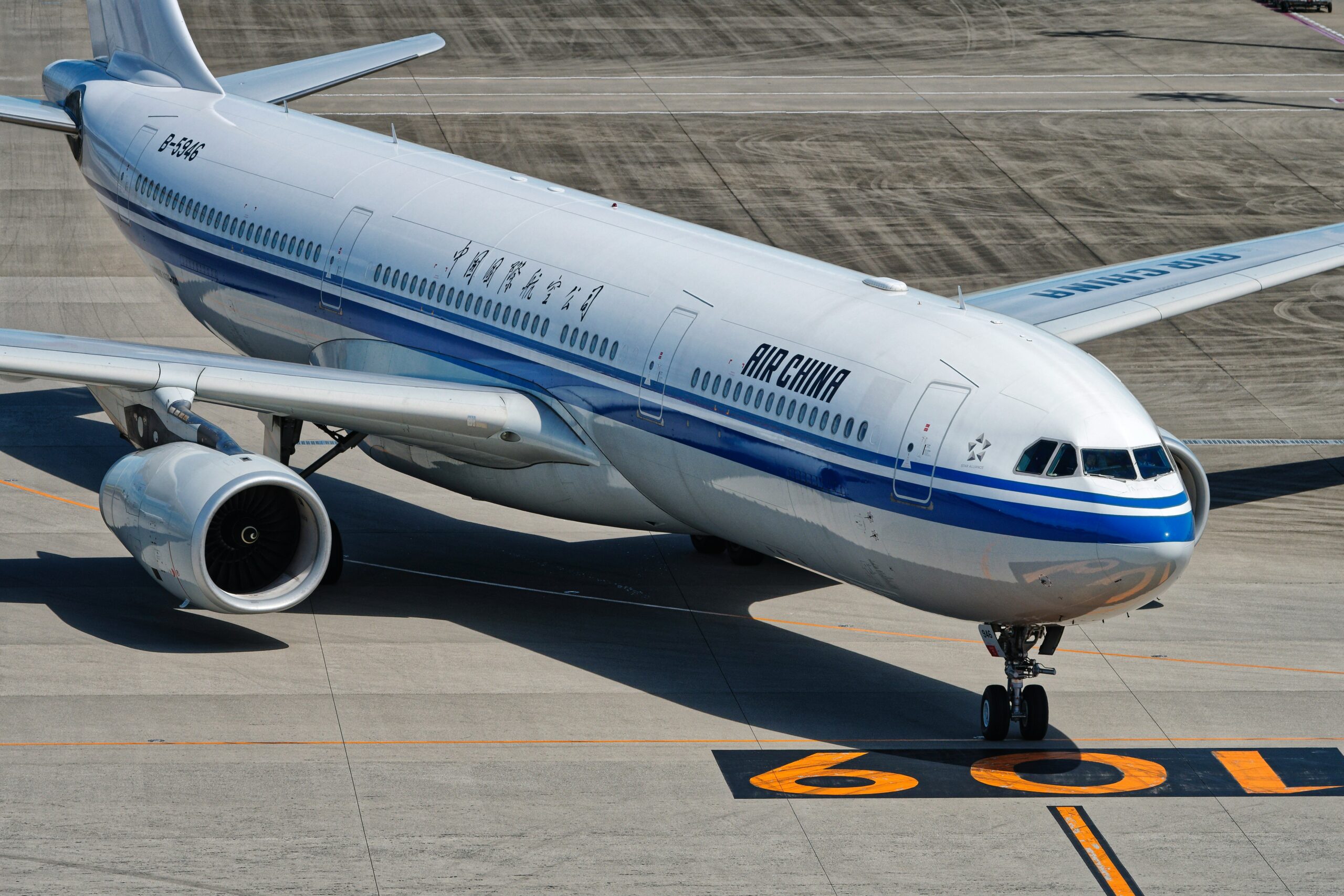



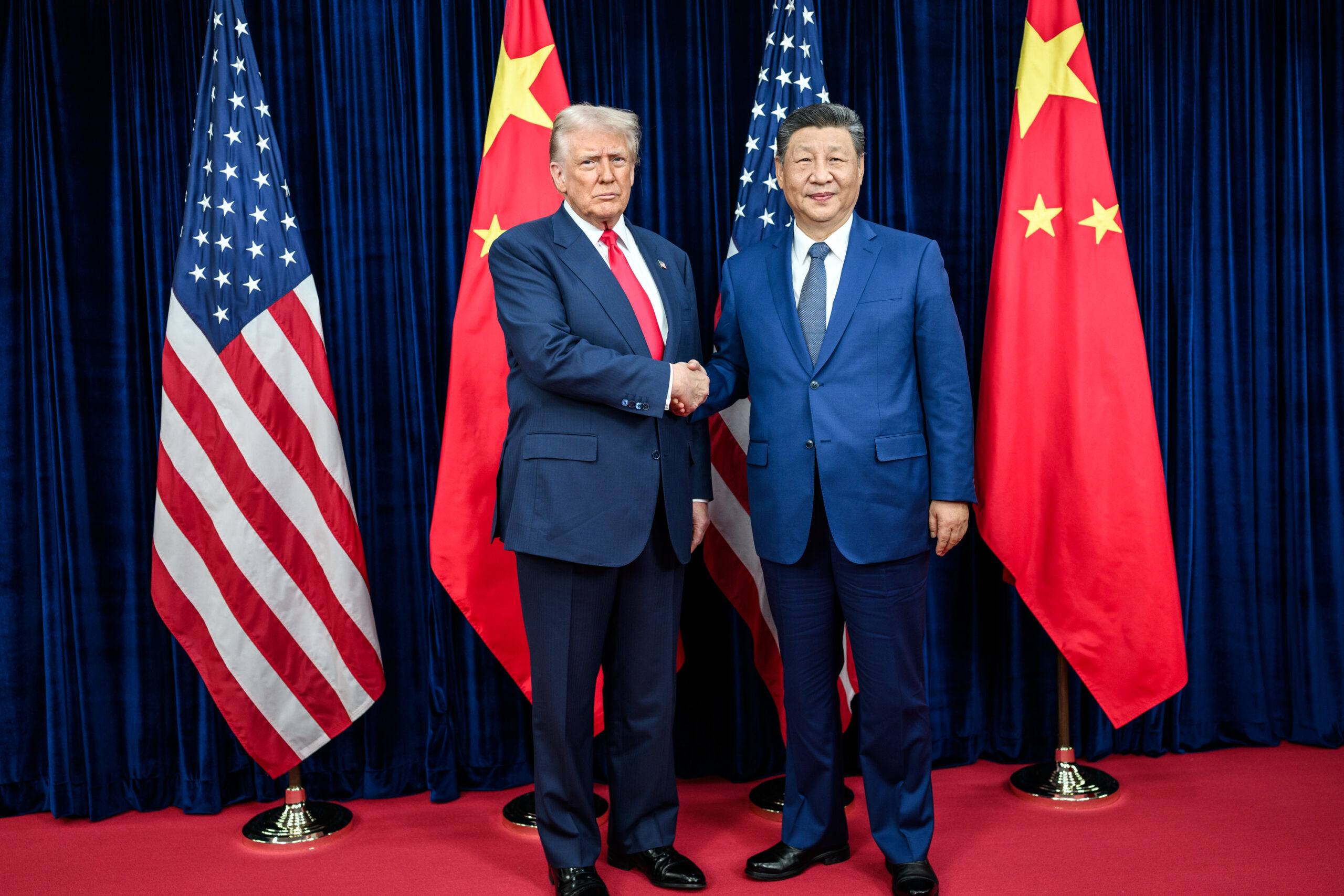
Ahead of President Donald Trump’s planned meeting with Chinese President Xi Jinping, US airlines have objected to moves by Air China to increase flight numbers to the United States via Russian airspace.
Industry group Airlines for America (A4A), whose members include some of the country’s largest carriers, has warned that US operators are unable to compete against flights to China from the East Coast, due to Russian airspace restrictions since the March 2022 invasion of Ukraine—sanctions that do not apply to their Chinese rivals.
Prohibited from overflying Russia, US airlines have been forced to re-route, flying longer distances and consuming extra fuel at a time when Middle East oil prices and high operational costs already put them at a disadvantage. It’s a starkly different business proposition compared to those who benefit from “shorter, less costly, and more economical routings on flights to and from China and the United States,” they said.
Following calls for an outright US ban on Chinese airlines, the US Department of Transportation (DoT), eventually imposed a 50-roundtrip limit on airlines on both sides as a result of the tensions. But now, the A4A points out, the additional two flights requested by Air China to both New York and Washington DC during the weeks of Jinping’s visit, would risk breaching those bilateral rules that should constrain them to 50 return flights per week.
The A4A has urged officials not to comply with the latest request. It also demanded that, if approved, the extra Chinese flights should be classified as charter flights, in line with their ad-hoc nature. If they were classed as scheduled operations, the trade body says, it could create a regulatory loophole that could mean their rivals can continue to fly beyond the 50-flight cap in the future.
Chinese airlines have already taken advantage of the geopolitical situation to grow international connectivity and schedules, boosting their market share on international routes that enjoy high demand and where overflying Russia gives them an edge over the suite of other carriers, like American, Delta, and United, who cannot. Air China currently already flies five flights a week between Beijing and New York and Washington. Meanwhile, China Eastern Airlines flies Shanghai to New York; China Southern flies Guangzhou to New York; and XiamenAir flies Fuzhou to New York.
Whether or not the extra flights are permitted, Trump and Jinping are expected, among other things, to discuss the risks posed by AI amid calls for cooperation and information sharing regarding AI incidents that could have national security implications. Those talks come at a time when the US has just begun rolling out its latest AI SMART system for air traffic control.