


The historic glassmaking town of Stourbridge in England’s West Midlands is preparing to unveil one of its oldest hidden treasures after plans were announced to permanently open a network of 250-year-old underground tunnels beneath the Stourbridge Glass Museum to the public for the first time.
The tunnels, which lie beneath the ruins of the White House Glass Cone, date back to the 18th century and once played an essential role in the region’s world-famous glassmaking industry. They were used to store raw materials, regulate heat and support the production process inside the cone, helping establish Stourbridge as one of Britain’s leading centres of glass manufacturing.
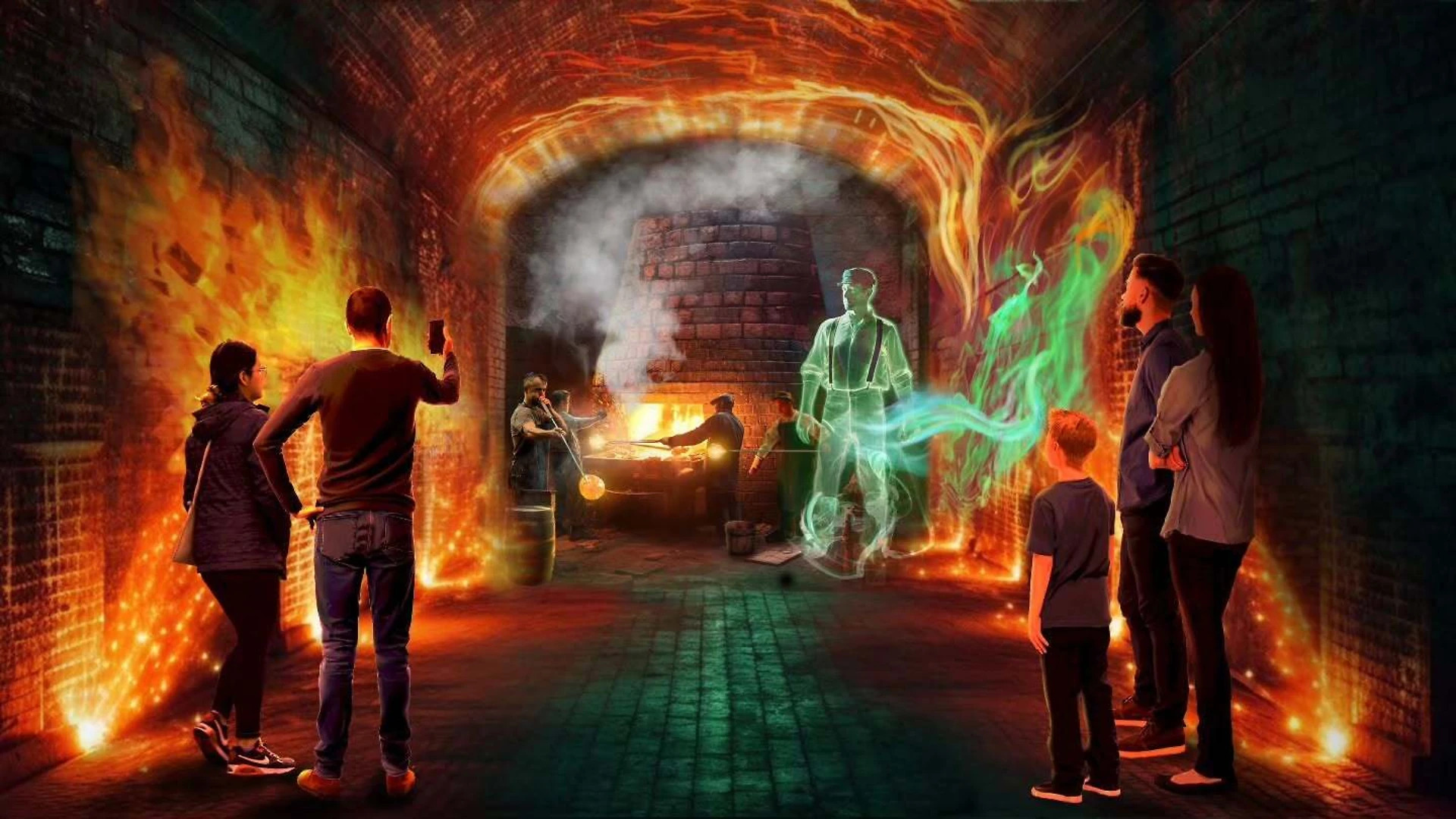
As part of a major redevelopment project, the museum intends to transform the underground network into a permanent immersive attraction combining virtual reality, projection mapping and animated displays. Visitors will be able to follow more than 400 years of Stourbridge’s glassmaking history, with projections illustrating the entire production process in the very spaces where it once took place.
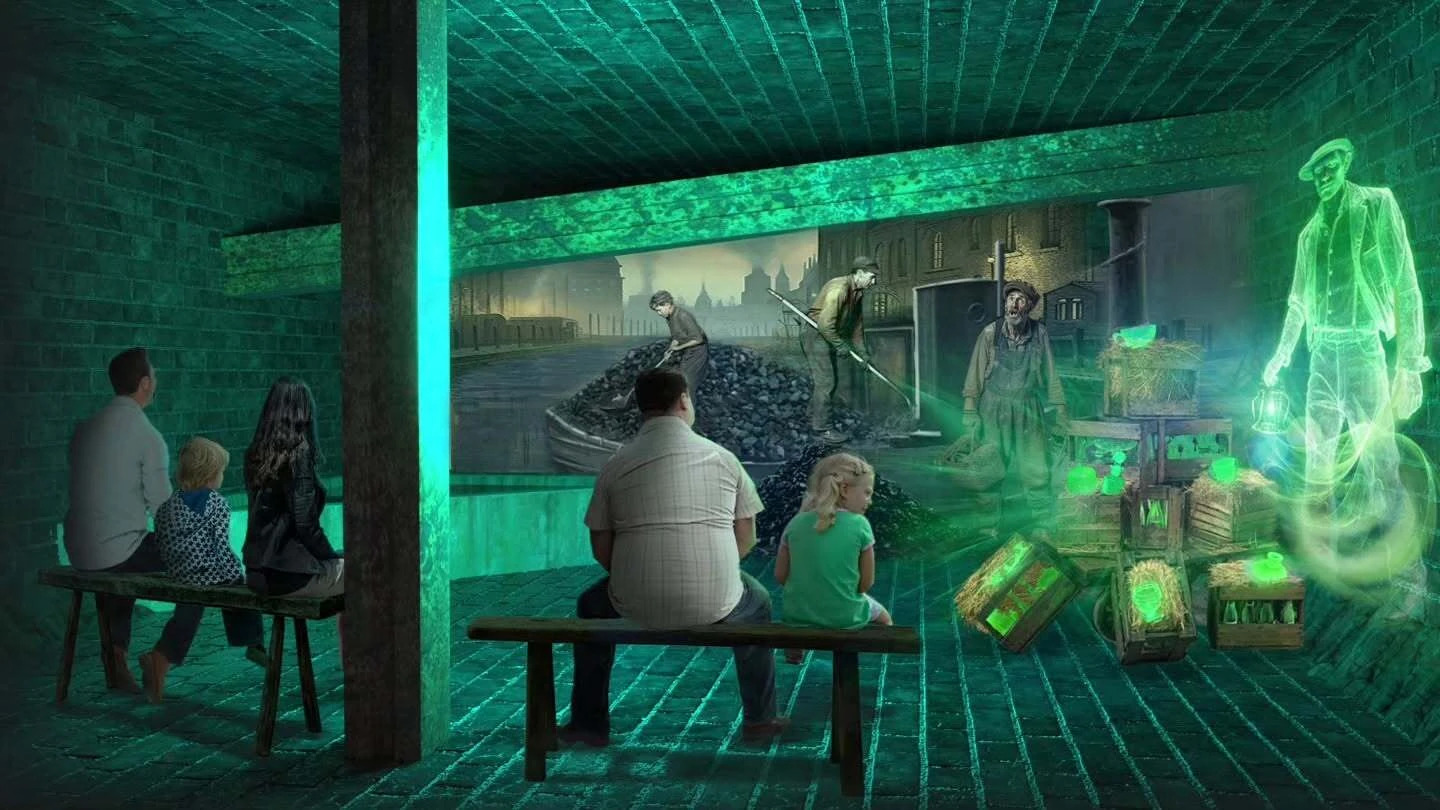
Although the museum already offers occasional guided tunnel tours, the new project will make the underground passages a permanent part of the visitor experience for the first time. Before opening, the site will undergo a series of health and safety improvements, including upgraded lighting, signage and accessibility measures designed to create what the museum describes as a “safe and free-flowing visitor experience”.
Museum director Alexander Goodger said the development forms part of a wider strategy to strengthen both the museum and the surrounding area.
“This is just one part of our new phase of capital development designed to boost the site for locals, expand the offer, give it a wider appeal and bring in tourists to the area who then go on to stay in hotels and eat in restaurants, regenerating the area,” Goodger said.
He added: “We want to bring in investment for the Black Country’s heritage. We have an incredible and unique history.”
The project also reflects broader ambitions to reinforce the Stourbridge Glass Quarter’s reputation as a centre for industrial heritage and cultural tourism. The museum houses a collection of around 4,000 objects documenting the area’s glassmaking legacy, alongside demonstrations and interactive exhibits celebrating a craft that shaped the region for centuries.
The tunnels sit beneath the site once occupied by the renowned Stuart Crystal factory, one of England’s best-known manufacturers of cut glass until it closed in 2001. The loss marked part of the wider decline of the traditional Glass Quarter, where four major manufacturers disappeared by the late 1990s and early 2000s.
The new attraction aims not only to preserve an important chapter of Britain’s industrial past but also to create a distinctive tourism experience capable of attracting visitors to Stourbridge and the wider Black Country.