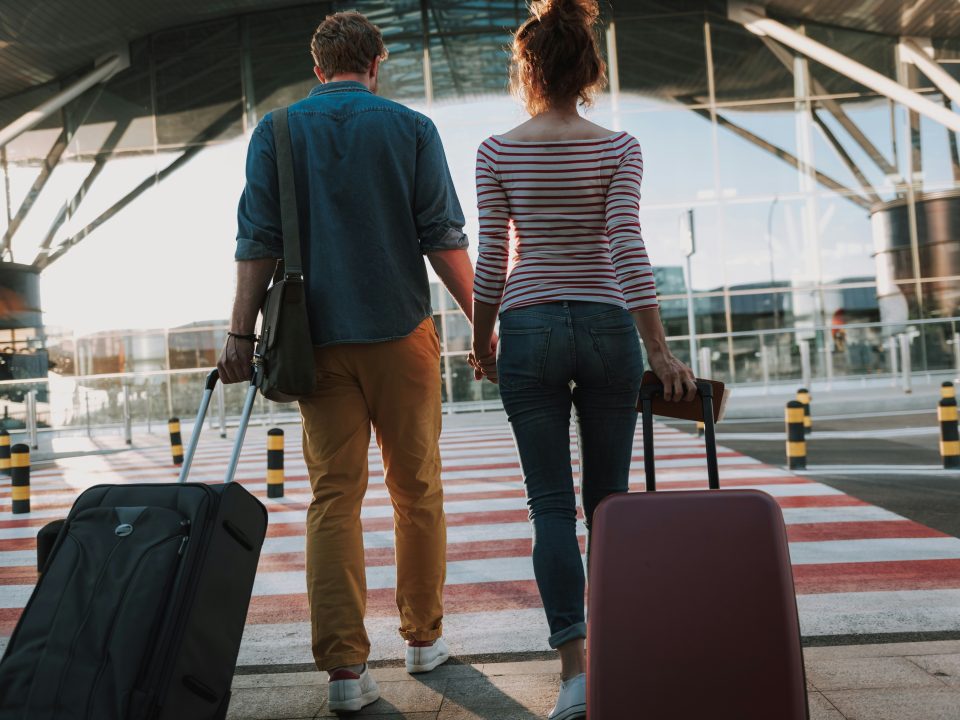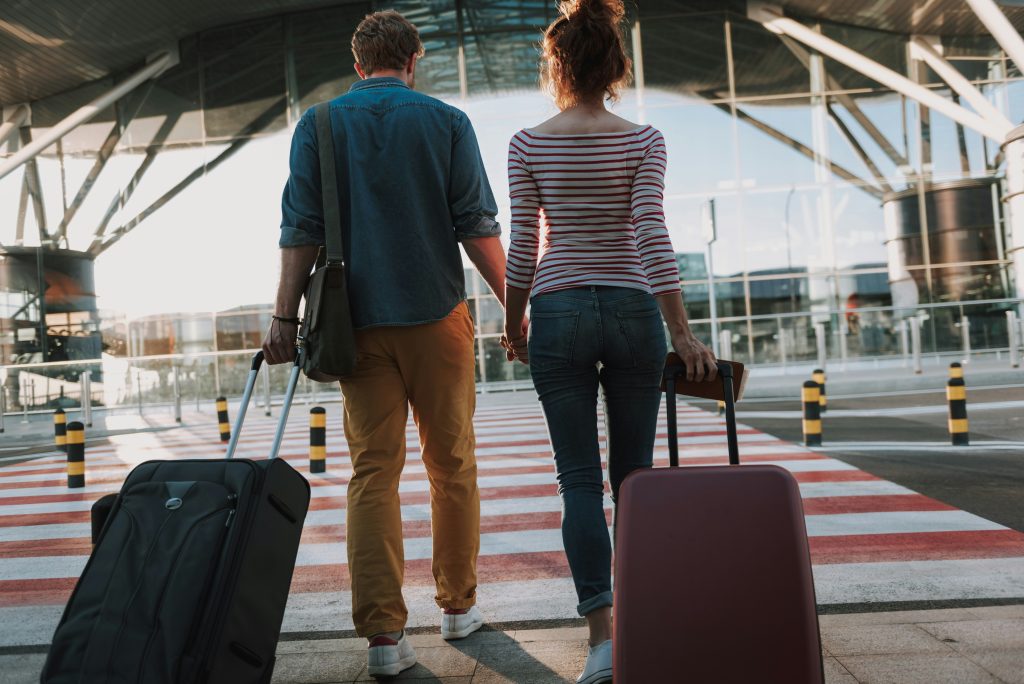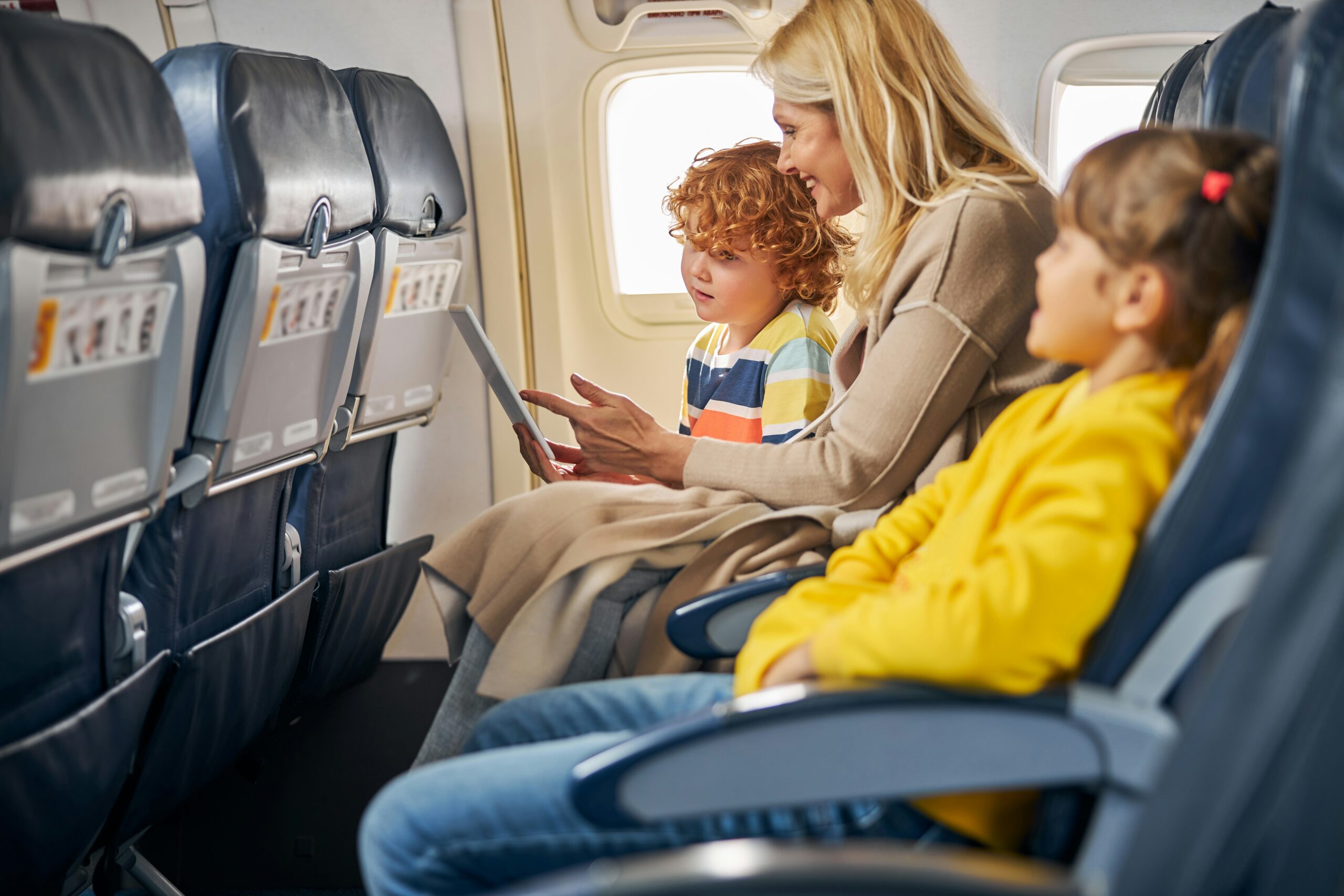


Families flying from the United Kingdom will no longer be charged extra by airlines to sit together under new government plans aimed at easing the rising cost of living.
Announced on 1 October, the measures will require airlines to seat children under 14 next to a parent or accompanying adult at no extra cost. Passengers will also be able to correct simple name errors in bookings free of charge. Meanwhile, the government, airlines and trade unions are set to develop a new information-sharing system to tackle persistently disruptive passengers.
The government estimates that the new seating policy could save a parent and child up to £104 (approximately €123) on a return flight.
Transport Secretary Heidi Alexander described the measures as another of the government’s “everyday fixes” designed to put money back in people’s pockets.
Under the new rules, parents will no longer have to worry about being separated from their children on board or having to pay extra to guarantee adjacent seats.
This has long been a source of frustration and stress for travellers. A 2025 survey found that 61.3% of British passengers had paid extra to sit next to someone they were travelling with. It was estimated that families with young children were spending more than £22.5 million a year on seat reservations in the UK alone.
Rory Boland, editor of Which? Travel, said it was “clearly unfair” to make parents pay extra to sit with children as young as three, accusing airlines of putting “profit ahead of passenger peace of mind”.
Prime Minister Andy Burnham called the charges a “rip-off, plain and simple”.
The UK move follows a similar change in the European Union, approved in July, which includes free adjacent seating for children under 14 and the correction of simple spelling mistakes in passengers’ names without extra charges. The government says its plans will bring UK and EU rules more closely into line.
The name-change measure addresses another common source of frustration. A minor booking error can currently cost passengers up to £40 (approximately €47) to correct. Under the new plan, simple mistakes will be amended free of charge.
The reforms also target disruptive behaviour on board, which is a significant source of stress for passengers and airlines.
In 2025, airlines recorded more than 1,000 serious incidents involving disruptive passengers, including a mid-air brawl that forced a flight to divert. This caused disruption for passengers and crew, as well as additional costs for the airline. The proposed information-sharing system would make repeat offenders easier to identify and could help airlines decide whether to extend existing bans.
“Everyone deserves to travel knowing their flight isn’t going to be disrupted by bad behaviour from a small minority”, said Alexander.
Ryanair, which recently changed its policy on family seating, has warned that under the new system families may only receive their seat allocation after check-in and are more likely to be seated towards the back of the aircraft. Ryanair’s previous mandatory family-seat fee was typically about £8 (€9.5) each way.
The measures are expected to be introduced following Royal Assent of the Civil Aviation Bill, which is currently progressing through Parliament. The legislation will give ministers greater powers to establish passenger rights and the obligations of airlines and airports.