

Outbound tourists from the UK have been warned to take measures to protect themselves against mosquito bites abroad, after a surge in infections, including malaria and the chikungunya virus, reported by the National Health Security Agency (UKHSA).
Official figures show a 43% increase in chikungunya virus cases in 2025, when 160 cases were recorded across England, Wales, and Northern Ireland, against 112 cases reported in 2024.
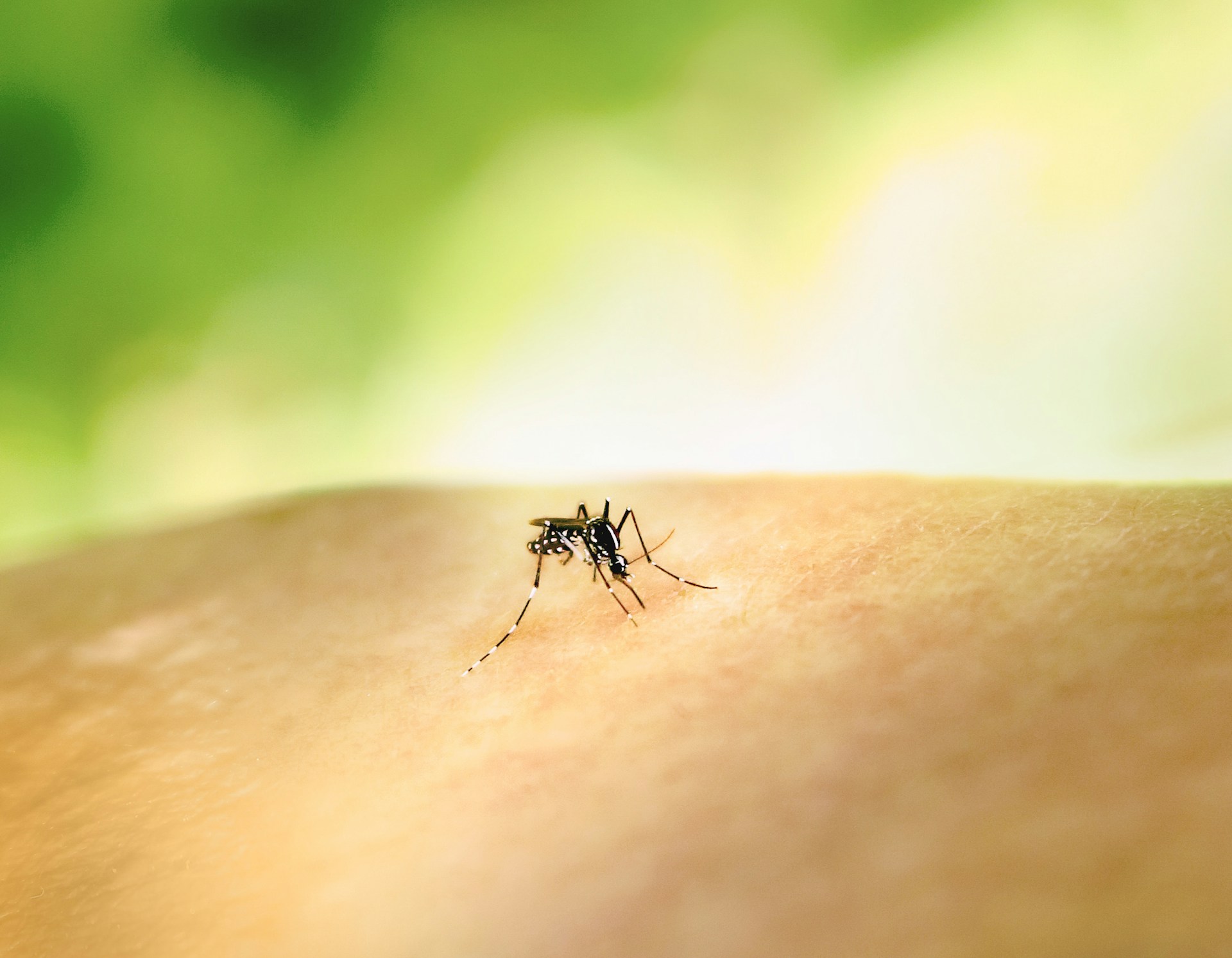
The illness is spread by mosquitoes, and can be mild and symptomless, but in serious cases causes fatigue, fever, headaches, severe joint and muscle pain, nausea, rashes, and even death. The name “Chikungunya” comes from a Kimakonde word used in Tanzania, where the disease was discovered in the early 1950s, to describe the way people suffering from the virus would curl up in pain. In up to 40% of cases, according to the WHO’s Dr Diana Rojas Alvarez, the disease can still be behind severely debilitating arthritis and discomfort as long as five years after infection.
Chikungunya is a mosquito-borne viral disease that causes fever and severe joint pain.
— World Health Organization (WHO) (@WHO) August 15, 2025
Protect yourself by:
🦟 Using mosquito repellants and nets, even during the day
🫸 Wearing loose clothes that covers arms & legs
🚫 Eliminating breeding areas of mosquitoes
The majority of recorded cases in the UK in 2025 were linked to travel in Bangladesh, India, and Sri Lanka. Previously, the Centers for Disease Control and Prevention (CDC) had also warned travellers to Bolivia and the Seychelles to take precautions to limit their chances of being infected.
Precautions can include using a Deet-based insect repellent, wearing long sleeves and trousers to ensure skin is not exposed, and sleeping under insecticide-treated nets. Two chikungunya vaccines, one for people aged 18 to 59 years and another for children over 12, have been approved by regulators in several countries for vulnerable populations. They are costly, still under review and are “not yet widely available nor in widespread use,” the World Health Organisation points out, but people travelling to high-risk areas should consider asking for a vaccine.
We're highlighting the importance for those travelling abroad of preventing #mosquito bites.
— UK Health Security Agency (@UKHSA) March 26, 2024
If you’re travelling abroad, here are some simple actions to help keep you and loved ones protected. 🦟🚫@NaTHNaC #TravelSafety https://t.co/o1fP2MQv8r pic.twitter.com/zoxc7k7UXx
Provisional data for travel-related malaria, also a mosquito-borne virus, show 1,629 cases in the UK over 2025, which represents a year-on-year reduction of around 10%/. Still, officials expressed concern that malaria cases “consistently remain at high levels.” The life-threatening disease can cause breathing troubles, chills, confusion, fever, headaches, seizures, and tiredness. As well as employing mosquito barriers and deterrents, anti-malarial treatment should be taken during visits to places where the disease is prevalent.
The UKHSA advice comes at the start of the Easter and spring break travel season. Travellers are advised to check disease control measures for their destinations well ahead of their departure date.