


Europe’s most convenient capital city public transport system, according to Time Out voters in 2025, is about to get an upgrade to two of its stations, but it means commuters will have to put up with three weeks of disruption in the middle of summer.
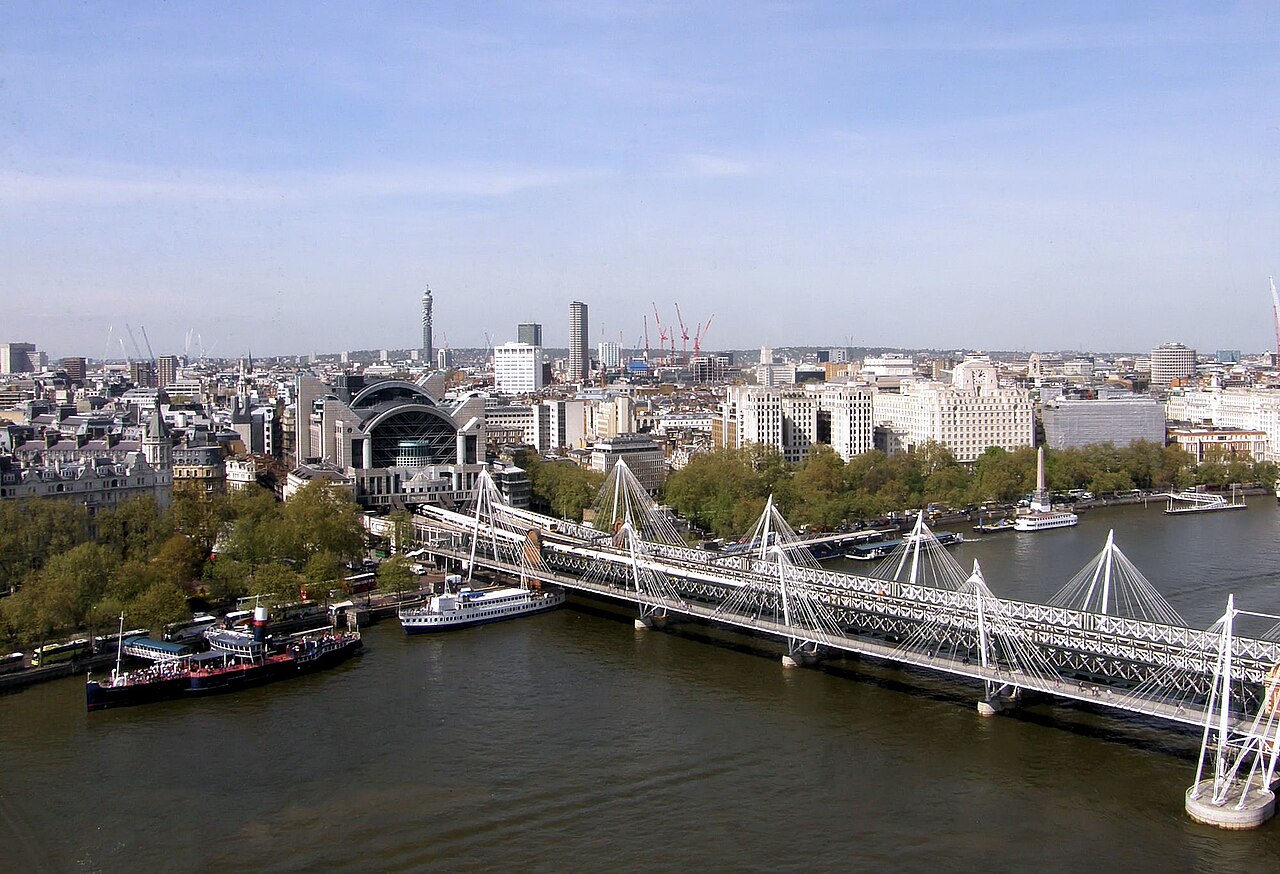
London’s Charing Cross and Waterloo East rail stations are set to close for 22 days between 26 July and 16 August 2026 for what operator Southeastern Railway has called a “once-in-a-generation £20 million (€23.5 million) programme of track, platform and structures upgrades.”
An additional closure of the same stations also occurred on the weekend of 18 and 19 July, and people planning trips to and around the United Kingdom capital should also be aware that the stations will be shut again on 22 and 23 August and 10 and 11 October 2026.
Most of the disruption is happening during the UK school summer holidays, at the height of the summer season, hitting visitors and leisure travellers the hardest. The reason for that is that overall passenger numbers are significantly lower in the summer months. Scott Brightwell, train services director for Southeastern, explained that: “By consolidating the work into a 22‑day closure, supported by preparation and follow‑up weekends, we can complete the work more quickly and with less disruption overall than the alternative options of 60 weekend closures or four to five 9-day closures.”
Brightwell added: “Doing the work when schools are closed, and commuter numbers are approximately 20 per cent lower, means we can move people safely and reliably via alternative routes.”
🚧 ❌ This weekend, there will be no trains from #LondonCharingCross or #LondonWaterlooEast.
— Southeastern (@Se_Railway) July 19, 2026
🔀Trains will be diverted to our other London terminal stations
🚇You can use London Underground at no extra cost to complete your journey.
More information: https://t.co/rvbzfUzpl7 pic.twitter.com/KskV8BpFuo
During the main three weeks of closure, Southeastern services will be diverted to London Victoria, Cannon Street, Blackfriars, and London Bridge. Paper tickets will be accepted on some alternative routes, and extra staff are being deployed at key stations to assist people with e-tickets that may not be recognised.
Passengers whose journeys are affected can claim a refund for all ticket types, including journeys made using reasonable alternative routes. A form for claiming the refund will be accessible on Southeastern’s website from Sunday, 26 July.
The Network Rail works are intended to bring “essential improvements” in the shape of 1.8 km of new track, which the operator said was “last replaced in the early 1990s and is now increasingly unreliable.” Over 350 hours of delays have been blamed on recent track faults.
Other improvements include better drainage at Waterloo East, platform renewal at Charing Cross and structural safety work on Hungerford Bridge, parts of which were originally built by the legendary English civil and marine engineer, Isambard Kingdom Brunel, in 1841.