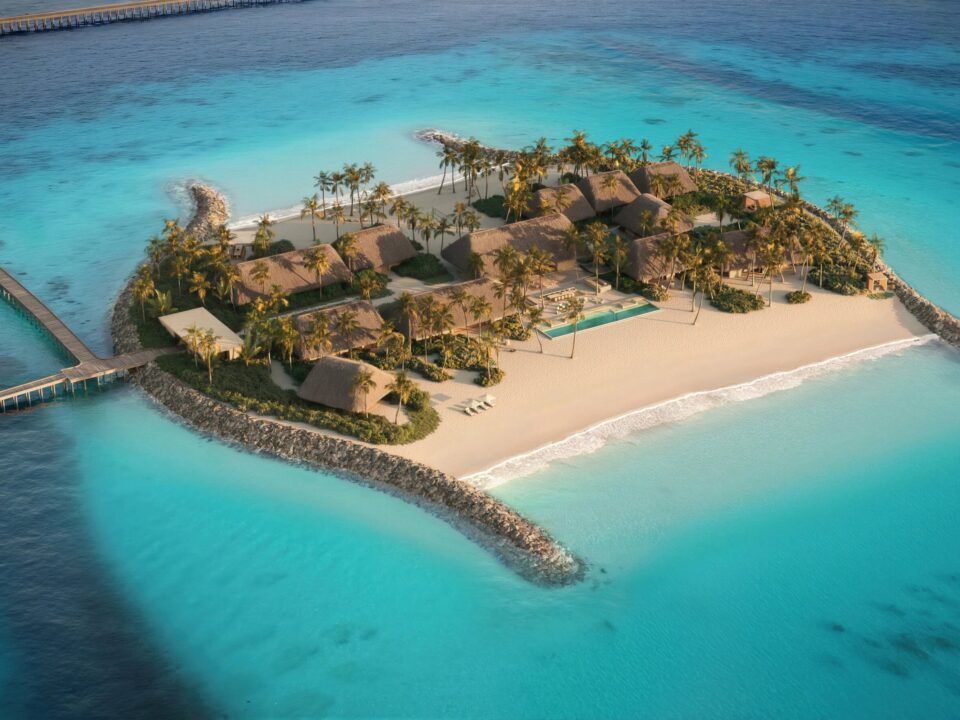
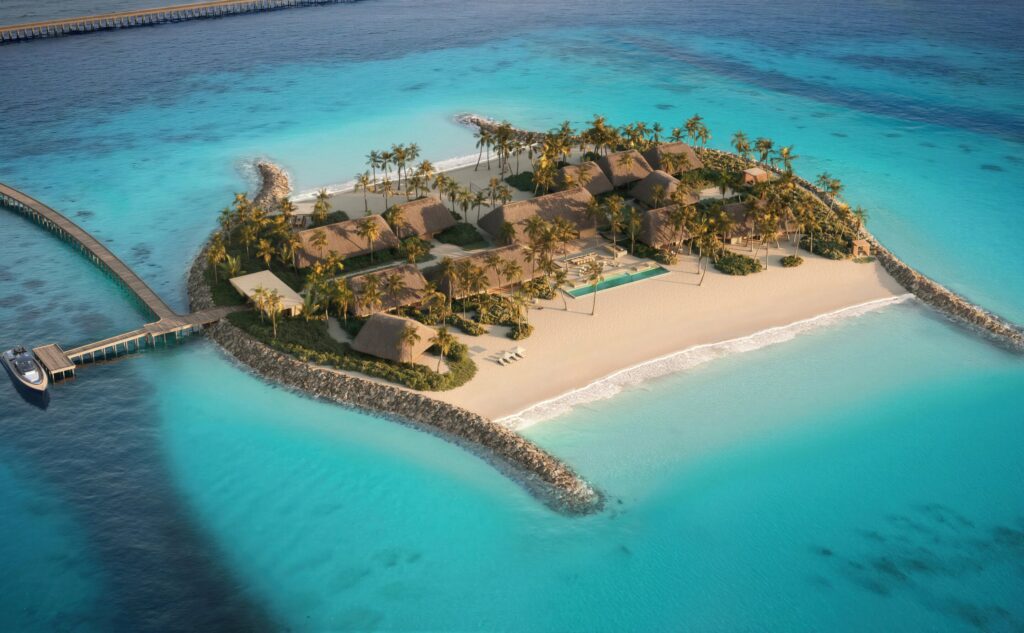
The Maldives could soon see a new type of tourism, if proposals for large-scale developments known as Sustainable Townships are approved. Under changes to the Special Economic Zones Act (SEZ), the new projects would integrate residential and premium hospitality real estate, with commerce and health and well-being, and education facilities.
The plan is designed, authorities on the archipelago say, to attract investment in long-term opportunities and diversify and refresh the Maldives tourism offer, generating direct and indirect jobs.
To be eligible under the Sustainable Township scheme, projects must exceed a minimum value of USD $500 million. Qualifying developers will benefit from fiscal incentives, such as a five percent income tax rate for the first decade, and 10% for the following ten years. A real estate transfer tax is payable on a rising scale, starting at just one percent for the first transaction, increasing to four percent for when investors hit three transaction. All other taxes and levies are applicable as normal.
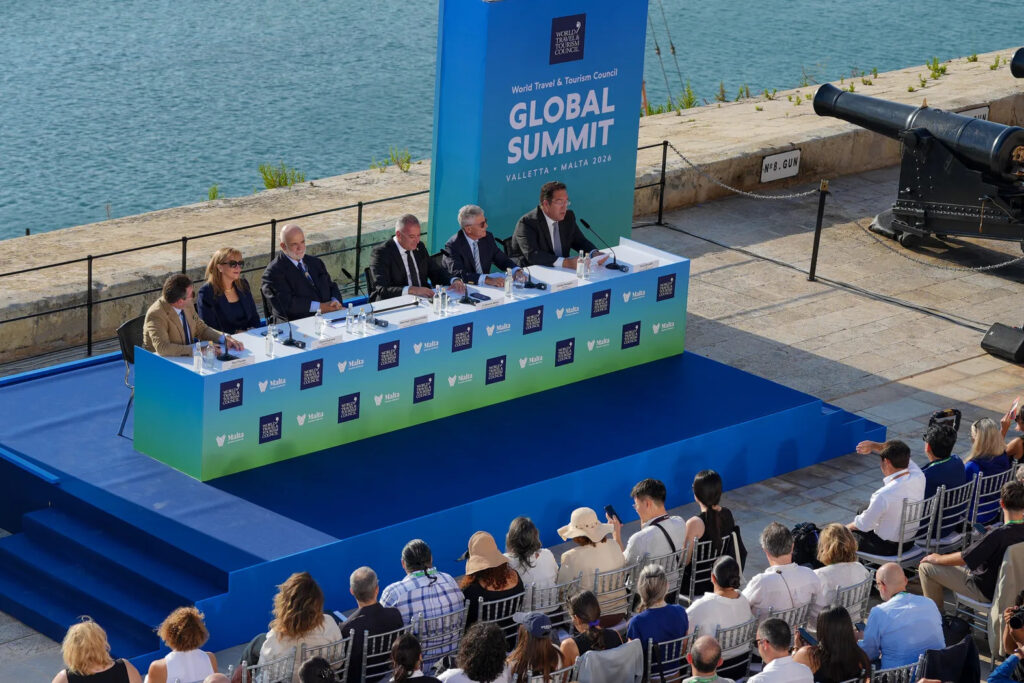
Developers must also complete an Environmental Impact Assessment “to make sure that when they build the resort, there is minimal environmental impact,” Minister of Tourism and Environment Thoriq Ibrahim told the press ahead of the UN’s 2025 Tourism General Assembly in Riyadh.
On the sidelines of the #UNTGA26, Minister @ThoriqIbrahim engaged with leading Saudi media outlets — Okaz, Riyadh Today, Aleqtisadiah, Al Watan News, and Arab News.
— Ministry of Tourism and Environment (@MoTmv) November 11, 2025
The Minister highlighted the Maldives’ sustainability initiatives, tourism performance, and promotional strategies… pic.twitter.com/OOQ1NxFz1t
Environmental self-sufficiency is a key criterion in the government assessment framework, rewarding projects that operate independently, from waste management to water supplies, and clean energy systems, supporting the island nation’s Vision 2040 goal of sourcing a third of its electricity from renewable sources, particularly solar, by 2028.
Though potentially very different from the exclusive deserted island luxury model of Maldivian tourism, the new resorts are not intended to replace that traditional set-up. Instead, the Sustainable Townships are argued to be complementary, bolstering the market by offering something other than a desert island idyll. The gamble is that Sustainable Townships will generate new revenue streams, appealing to a growing segment of longer-term, longer-stay visitors who require more facilities by catering to tourism trends that favour integrated, mixed-use developments.
Hospitality.net has described the move as a signal “to investors and the international tourism market that the Maldives is not only preserving its premium resort legacy but also adapting to evolving global demand for lifestyle, wellness, and integrated tourism experiences.”
While some might question whether it’s possible to protect the Maldives’ natural resource capital while diversifying its 50-year-old luxury tourism sector in this way, Ibrahim believes that “expanding tourism opportunities while safeguarding the pristine natural environment” is what the Maldivian identity and future success depend upon.