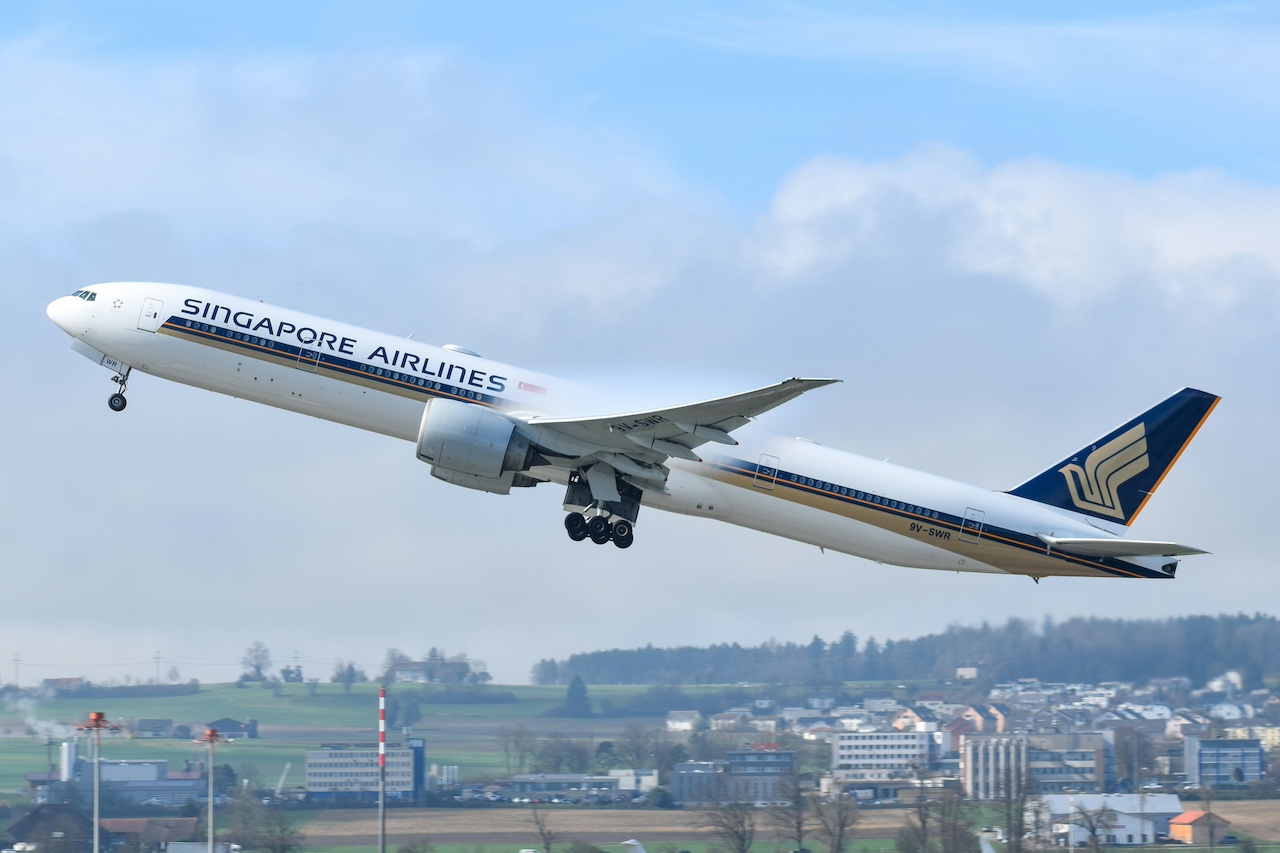


Singapore Airlines’ sixth world title reinforces Asia’s command of premium aviation, while the regional spread of winners shows where carriers are investing—and where competitive gaps are widening.
Singapore Airlines’ return to the top of the 2026 Skytrax World Airline Awards is more than a reputational victory. Its sixth overall win, ahead of Qatar Airways and Cathay Pacific, reinforces the case for investing in service and product consistency amid high fuel costs, delivery delays and geopolitical disruption. It also confirms premium aviation’s shift towards Asia and the Middle East.
Why the awards matter commercially
According to Skytrax, the results draw on a worldwide passenger-satisfaction survey covering more than 300 airlines. The rankings do not measure profitability or resilience, but the accolades can support marketing, loyalty and premium positioning, especially where rival schedules and aircraft give travellers few obvious points of difference.
Asia and the Middle East set the premium benchmark
Eight of the first 13 carriers come from East or Southeast Asia, while Qatar Airways and Emirates keep the Gulf prominent near the top. That strength bolsters hubs competing for traffic between Europe, Africa and Asia-Pacific. Category results reveal distinct strategies: Singapore Airlines led in economy travel and catering; Cathay Pacific in cabin service and first-class lounges; EVA Air in premium economy; and STARLUX in cleanliness while gaining five-star status. Asian carriers are competing across the journey, not only in luxury cabins.
Qatar Airways’ second place does not signal a retreat. Awards for business class, onboard connectivity and lounge quality sustain its appeal to corporate travellers and long-haul transfer passengers. Rivals must increasingly treat Wi-Fi, airport hospitality and food as one integrated journey. Such investment also reinforces Doha and Dubai as tourism gateways, supporting stopovers and destination spending.
Europe’s mixed results expose strategic trade-offs
Europe placed six airlines in the top 20, led by Turkish Airlines in fifth and Air France in seventh. Air France dominated first-class awards, Turkish Airlines paired regional leadership with business-class catering, and Vueling led Europe’s low-cost field. As Euronews reported, no European carrier ranked among the leading cabin crews, while only Aegean entered the top 10 regional airlines.
The pattern exposes a strategic dilemma. European network airlines must fund premium cabins and lounges while competing in a price-sensitive short-haul market shaped by low-cost rivals and congested airports. Targeted excellence can still win recognition, but uneven product quality may weaken global brands. Tourism boards and airports therefore share an interest in better transfer experiences, service training and destination marketing.
North America’s absence creates both risk and opportunity
Air Canada, ranked 17th, was the only North American airline in the global top 20 and won for business-class lounge dining. The absence of US carriers raises questions about their international passenger experience as they pursue premium revenue. For Air Canada, the recognition supports its ambition to grow as a global connector and may strengthen Canadian hubs, although awards cannot overcome disruption, border friction or infrastructure constraints.
Regional champions can convert recognition into tourism value
Ethiopian Airlines’ African title, LATAM’s leadership in South America and Qantas’s 12th-place finish give their regions recognisable aviation flagships. Such honours can reassure travellers and trade partners, strengthen route-development pitches and raise a hub’s credibility. Bangkok Airways’ awards as Asia’s best airline and the world’s best regional carrier show how a smaller operator can gain influence through a focused network and service proposition rather than scale.
From year one to year ten… thank you for being on this journey with us 💙
— Bangkok Airways (@bangkok_airways) September 20, 2026
.
We’re grateful to be part of your special moments. 💙✈️#WorldBestRegionalAirline #BestRegionalAirlineInAsia #AsiasBoutiqueAirline #BangkokAirways #Skytrax pic.twitter.com/foVA3uFvP7
What comes next
The results show competition expanding beyond seats and schedules to catering, lounges, connectivity, cleanliness and service. Advantage will go to airlines delivering those elements consistently at scale. For underrepresented regions, the awards offer both warning and roadmap: visibility increasingly follows investment in the parts of the journey passengers remember.