

The United Kingdom and the government of Gibraltar have revealed the details of a draft treaty with the European Union, intended to “protect British sovereignty, UK military autonomy, and secure Gibraltar’s economic future.”
Officials claim in a press release that the treaty “resolves the last major unresolved issue from Brexit – avoiding the need for checks on people and goods crossing the Gibraltar-Spain border.” Yet critics point out that the “third-country” rules that Brexit engineer Boris Johnson agreed to for UK citizens will apply to the territory, meaning Spanish officials can refuse entry to Brits whose passports and stay durations do not match Schengen requirements.
Approximately 15,000 people cross the Gibraltar-Spain border daily, amounting to more than half of the peninsula’s workforce. Without an agreement, the EU’s newly introduced Entry/Exit system (EES) would see a hard border enforced, requiring mandatory passport checks and resulting, according to the UK’s Foreign, Commonwealth, and Development Office, in “endless queues.”
Authorities have expressed fears that the situation could put Gibraltar’s economy at risk, with potential costs amounting to “hundreds of millions a year and putting pressure on the UK taxpayer for fiscal support.”
However, the new agreement instead creates a “fluid border between Gibraltar and Spain,” as well as establishing a bespoke customs model that promises to “eliminate burdensome goods checks at the land border.”
The plan is for airport passenger arrivals to undergo dual border checks, where Gibraltar will manage immigration and policing, while Spanish officials will be responsible for ensuring the integrity of the Schengen Area, resembling the juxtaposed controls agreed with French authorities who operate in London’s St Pancras International Station. The deal also “opens the door to direct flights between Gibraltar and EU destinations, strengthening connectivity and economic opportunities.”
Hailing the deal as a treaty that “preserves sovereignty and delivers certainty when Gibraltar’s way of life was threatened,” the UK Minister for Europe, Stephen Doughty, emphasised that the present administration had inherited the Brexit hangover, but insisted, “The UK’s commitment to Gibraltar will never falter.”
Similarly, Fabian Picardo, Chief Minister of Gibraltar, called the agreement “safe and secure” and praised the way it “unequivocally protects our position on sovereignty, safeguards our economy, and delivers the certainty our people and businesses need.”
The deal “allows Gibraltar to look to the future with confidence, protecting our British way of life while unlocking new opportunities for growth and prosperity. It is an agreement that is very good for Gibraltar-based individuals and businesses that will deliver great growth for our economy,” Picardo added, explaining that: “A new facility for passport checks will be built at our airport so we can carry out cumulative passport checks on arrivals from third countries. In this agreement, the first hand on the gate remains a British hand. The first check is a British check.”
Working in partnership with the UK, #Gibraltar's prosperous, British future is assured. Today is a demonstration of that. 🇬🇮🇬🇧@FCDOGovUK @DavidLammy @SDoughtyMP @GibraltarGov pic.twitter.com/OLJW3fReLh
— Fabian Picardo (@FabianPicardo) June 11, 2025
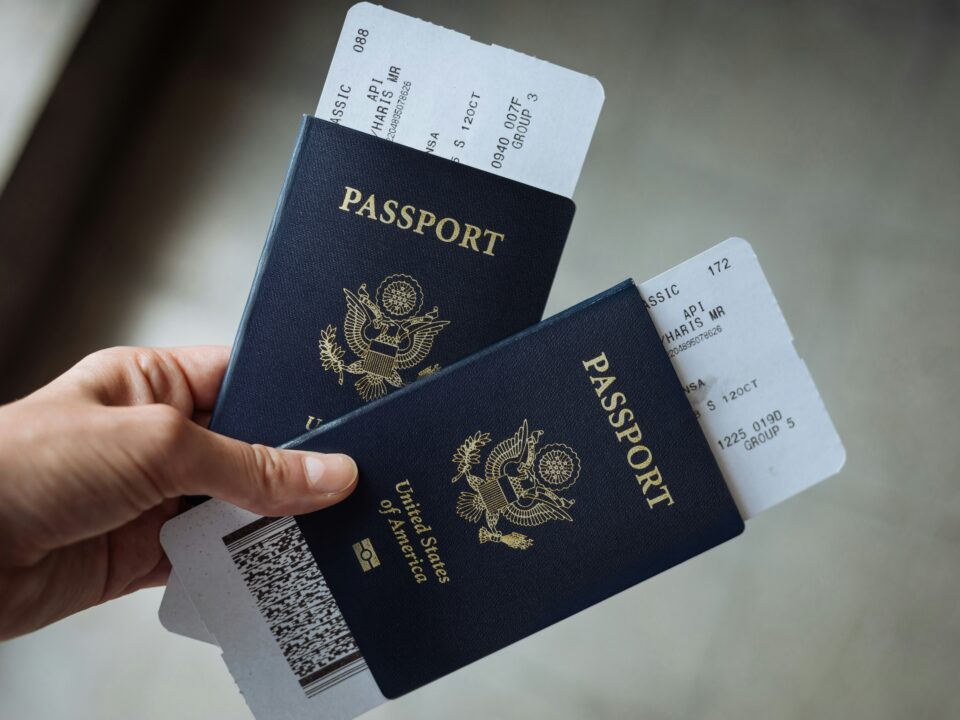
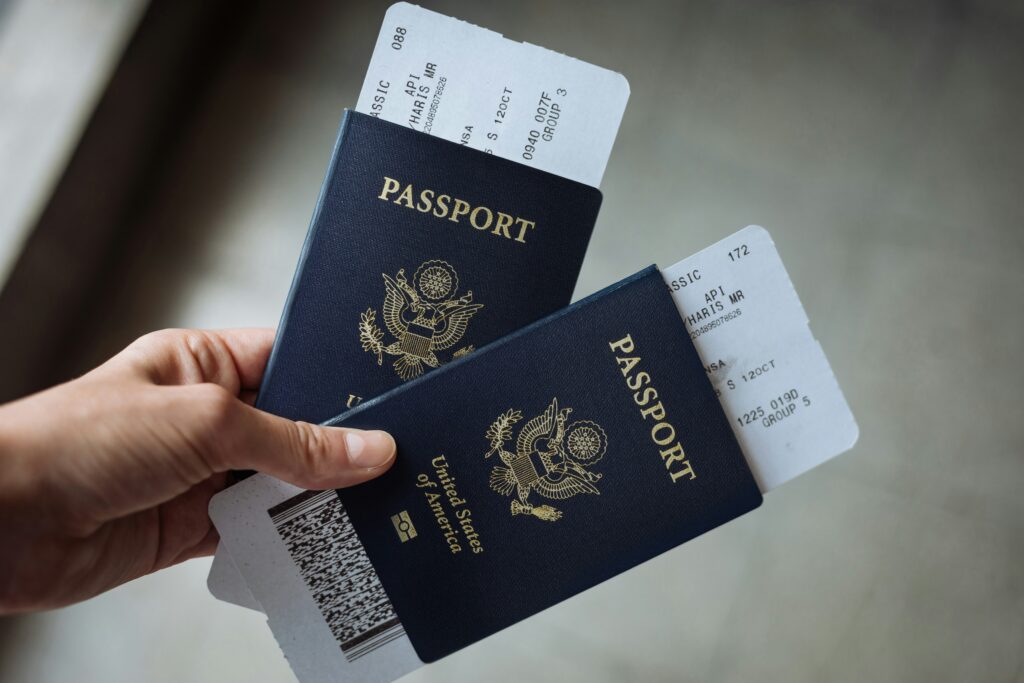
But as soon as the agreement comes into force, unlike the current arrangements, British travellers’ passports will need to be less than 10 years old on entry to Gibraltar and have a minimum of three months’ validity remaining on the planned departure date. In addition, Gibraltar will no longer be exempt from Schengen “length of stay” rules that until now have allowed Brits to spend extended time on the territory without it counting towards the “90 days in any 180 days” limit.
Residents of Gibraltar, Irish passport holders, EU identity card holders, and British servicemen and women on duty will not be subject to the restrictions.