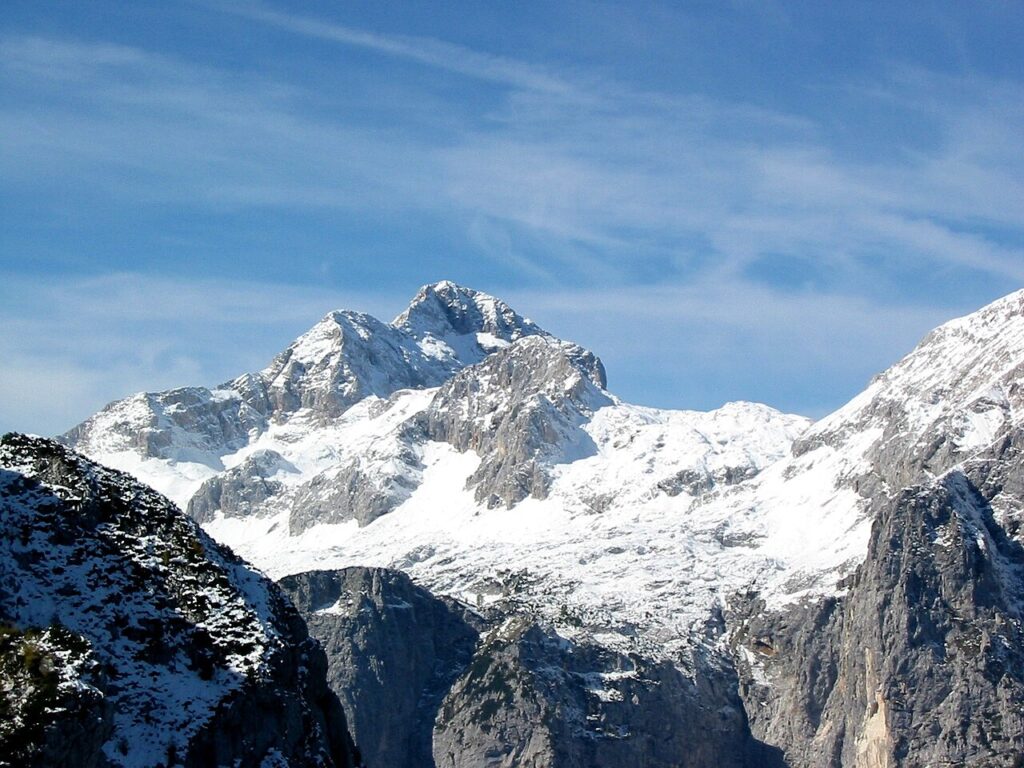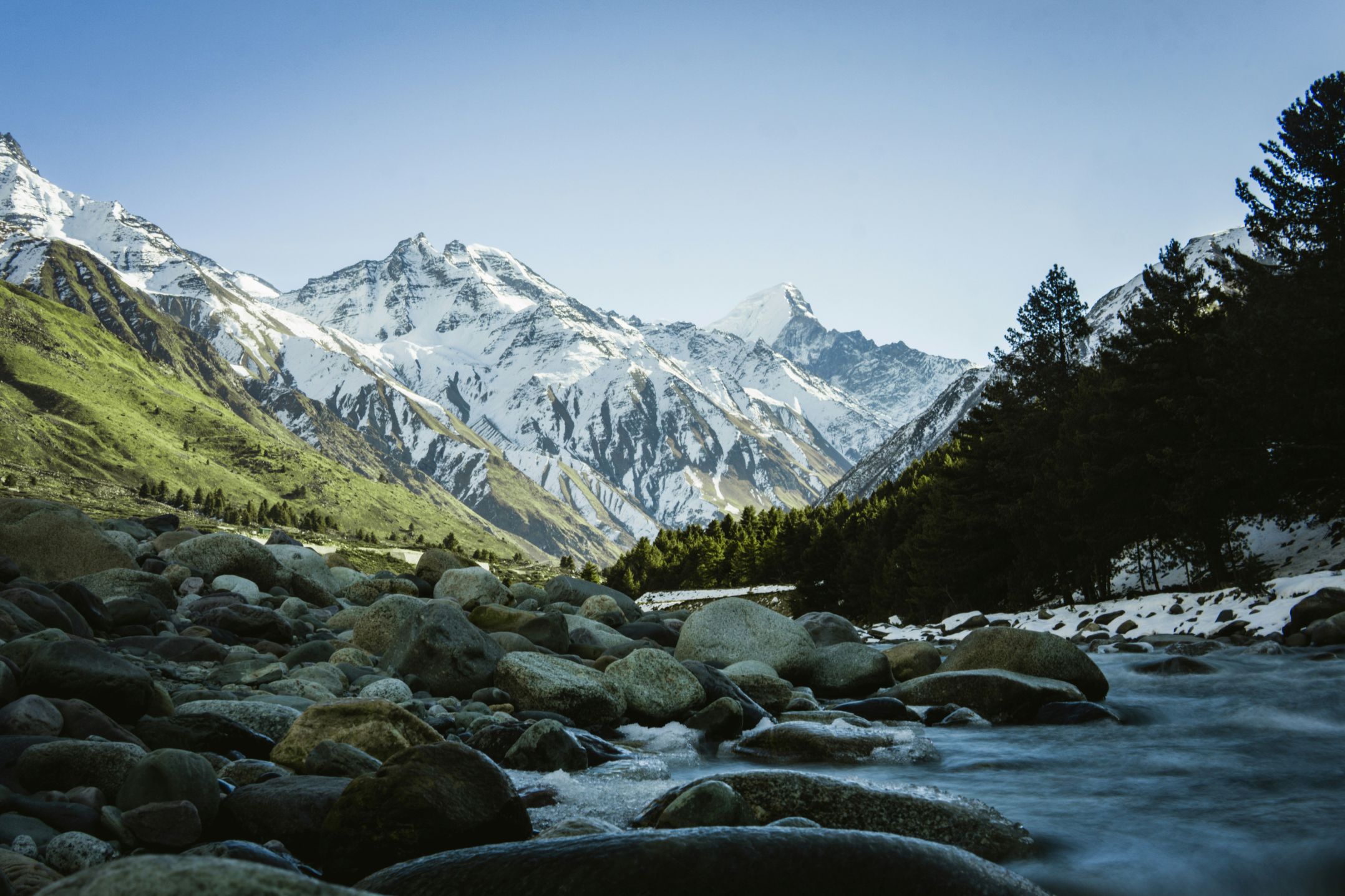



While Nepal and Tibet are dealing with the consequences of the flash flood that occurred on 26 August 2026, climate scientists warn that such natural disasters might hit the Himalayas on a regular basis over the coming years. Global warming is rapidly changing the Himalayan ecosystem, impacting glaciers as well as people’s living circumstances.
Although the circumstances of last week’s flash flooding that hit Himalayan valleys along the Nepal-China border weren’t clear initially, it now seems likely that the natural catastrophe was caused by a failing mountainside. When the bedrock beneath a Himalayan glacier gave way, ice and rock fell into the rivers below, with devastating results – at the moment of writing, the death toll has exceeded 1,000, and some 3,900 people remain missing.
BREAKING: At least 380 people missing after flash flood hits near Nepal-Tibet border pic.twitter.com/iCRpXJaBAe
— BNO News Live (@BNODesk) August 26, 2026
Recurring floods
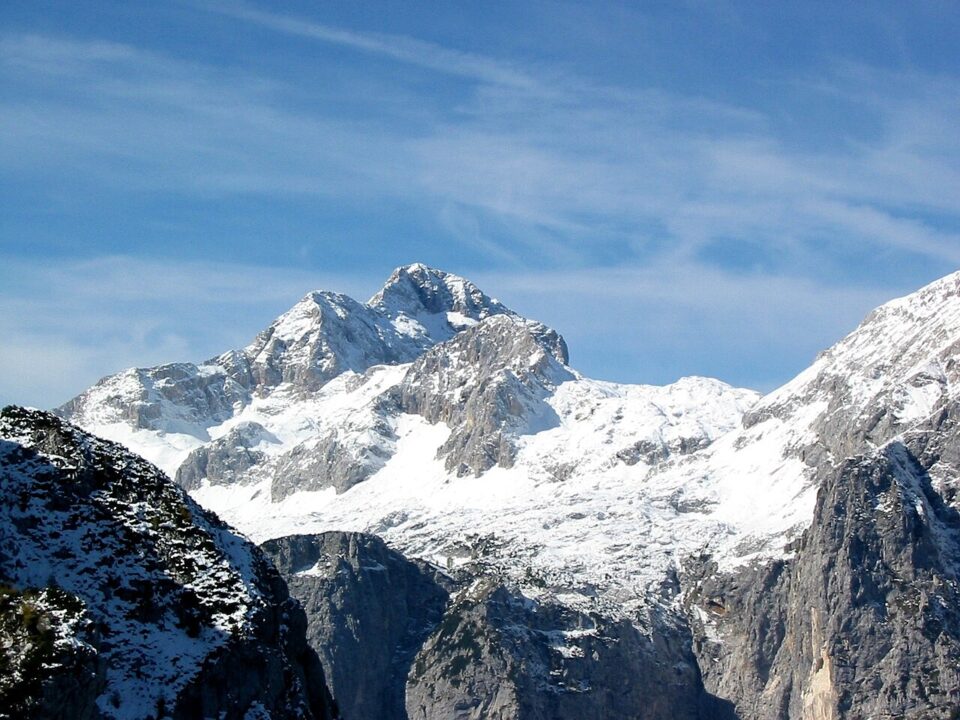
The flash flood of 26 august might have been one of exceptional size but it is not an isolated event. Moreover, climate scientists have been warning for such scenarios for decades and have been studying the mountains in the region for decades. Rising temperatures cause multiple consequences – not only are the glaciers melting, the integral structure of the Himalayan mountains is also being altered.
The Global Mountain Safeguard Research programme (GLOMOS), part of UNU’s Institute for Environment and Human Security, has recently been researching flash floods in the region, from the earliest records through 2024. Since 1950, floods have become five times more frequent.
Generally speaking, rising temperatures lead to melting glaciers, the meltwater of whom is then collected in natural lakes held together by unstable rocks. When those dams break, the water pours into the rivers, leading to flash floods. On 26 August, however, the scenario seems to have been different. Although scientists are not yet sure whether or not a temporary dam maintained the failing bedrock and the ice above for a couple of instants, the whole process was sped up due to the fact that the mountain structure gave way.
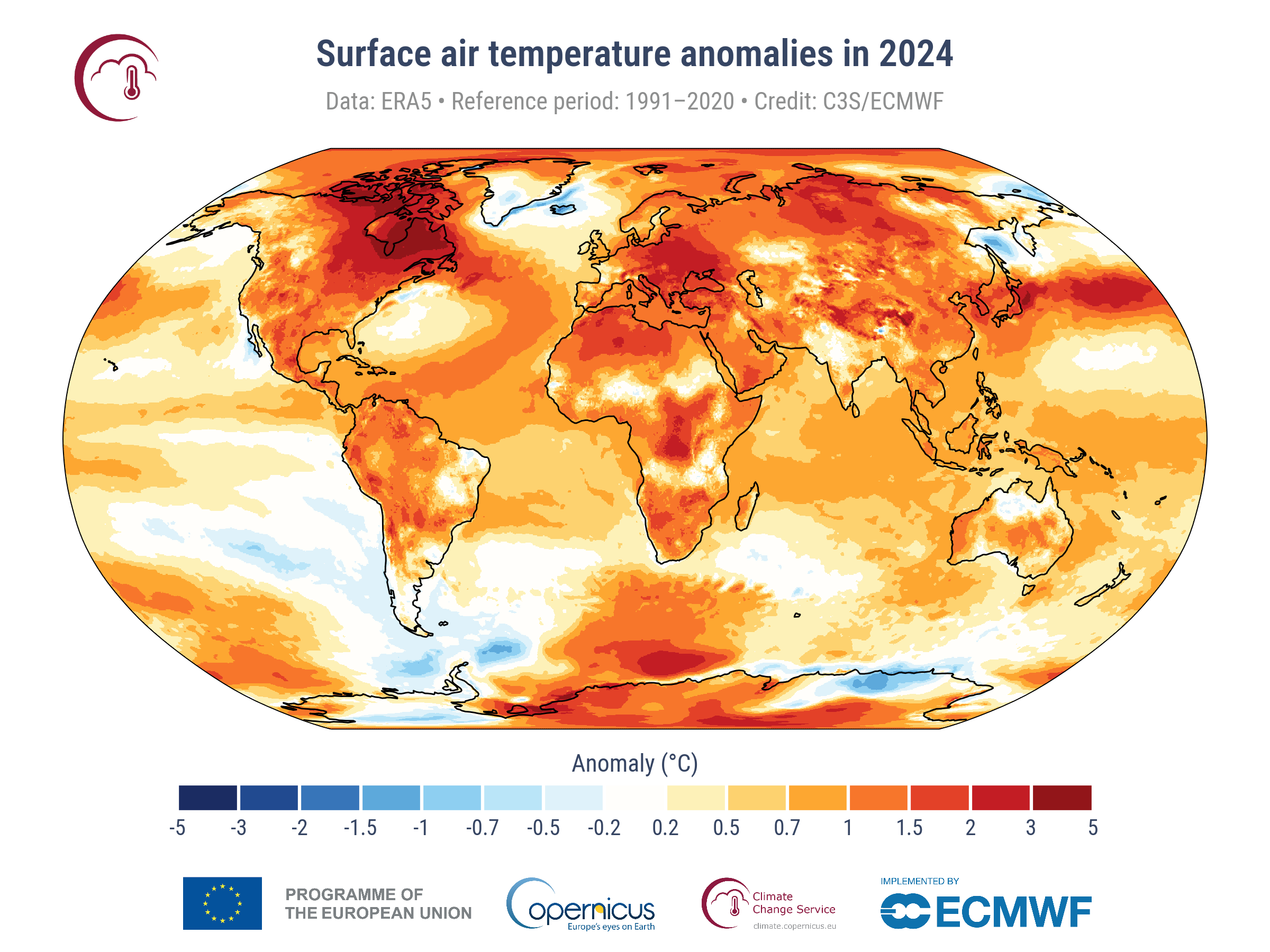
“Scientists say thinning and retreating of glaciers can not only cause their collapse but can also rapidly fill up glacial lakes that can then burst out causing floods. They say ice and snow buttress mountain slopes – just like cement keeps buildings intact. When they fast melt, then mountains destabilise and we see increased incidents of rockfalls, landslides, avalanches and debris floods – as we are seeing in the Hindu Kush Himalayan region,” wrote Navin Singh Khadka, Environment correspondent at BBC World Service.
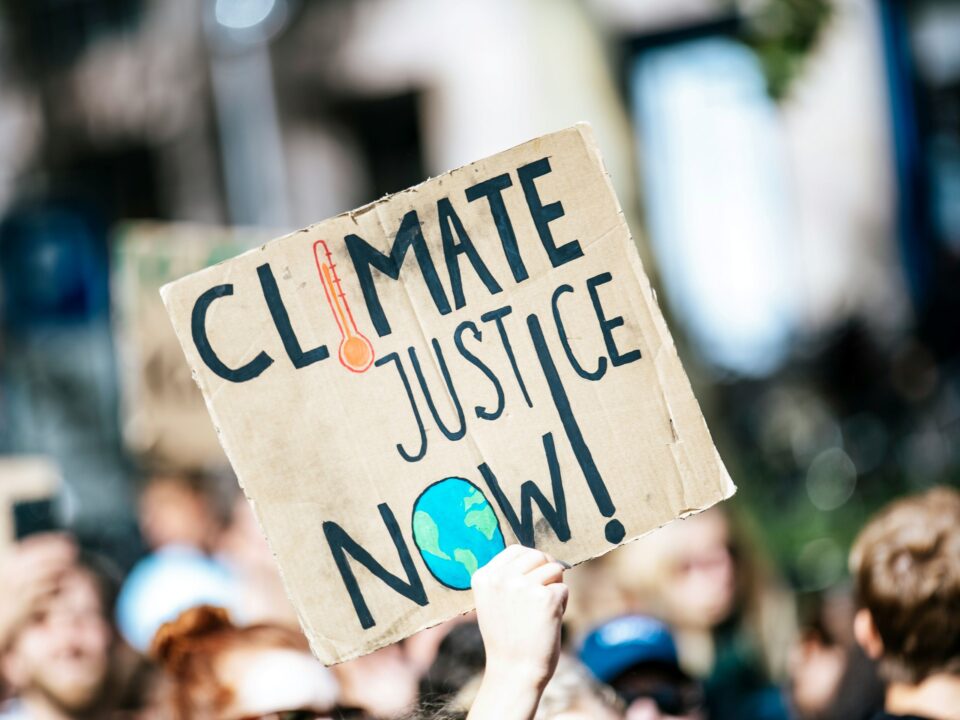
Although it is hard to determine whether or not global warming was directly responsible for the mountain collapse that caused the flash flood, it is nearly impossible to deny that the Himalayan ecosystem has been radically changed by the rising temperatures, from melting ice to failing mountains.
Changing living circumstances
Moreover, in an interview with UN News, Nepal-born climate researcher Dipesh Chapagain also pointed towards a changing human geography in the region. Whereas previously, people had been living on mountains and cultivating the grounds around the rivers, now, many actually live alongside the river. Caused by numerous reasons – including better economic opportunities, easier building, and access to water as higher sources are drying up – this also exposes them to greater risks in case of a flash flood.
“We’d ask the world… to take climate change as one of the major challenges that Nepal and its citizens face, and this has to be a global effort. We request the global community to come together and preserve the Himalayan ecosystem,” stated Nepali Foreign Minister Shisir Khanal following the flash flood.
The Himalayas’ fragile ecosystem is crumbling due to over tourism, excessive construction, and climate change.
— Khem Raj (@Raj11_Speaks) August 30, 2026
The time has come for all the nations under whose sovereignty the Himalayas lie to come together to save the Himalayas. pic.twitter.com/oilBJX8mp3
For Chapagain, catastrophes such as the one that took place on 26 August are becoming ever more likely. Even if the global warming is capped, the consequences of the last decades will likely go on for a long time in the region.
In order to deal with the future, people will thus need to adapt. But governments also have their role to play, especially when it comes to establishing a warning system allowing locals and tourists alike to evacuate and when it comes to aiding the most vulnerable communities to make the adaptations needed to adapt themselves to the rapidly-changing circumstances.