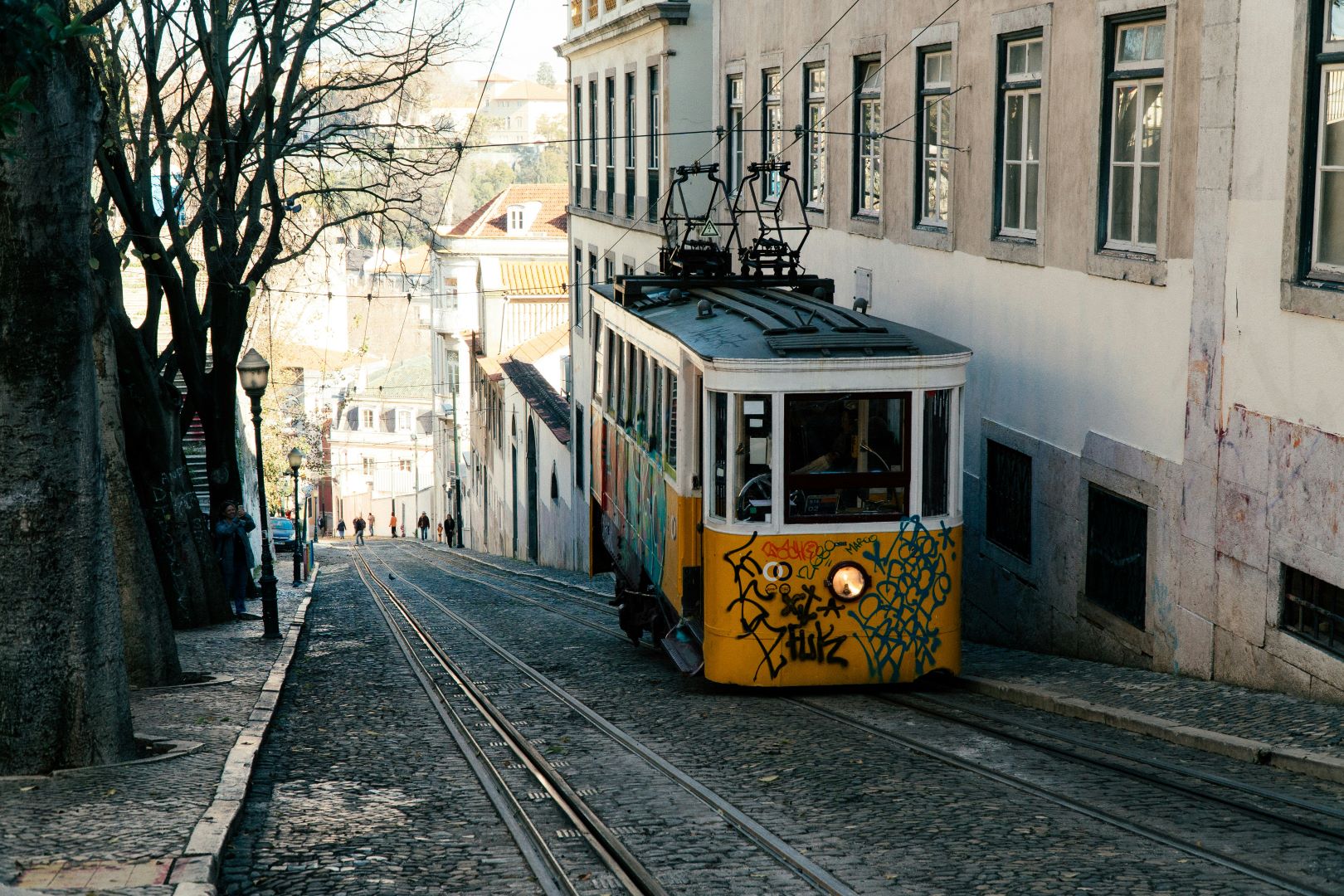


Authorities in Lisbon have created an expert team to work on safety mechanisms at the city’s Gloria funicular railway, where 16 people died and 22 others were injured in an accident on 3 September 2025.
City councillors approved the team’s makeup and voted to give the group of municipal technicians, national engineers, regulators, and university academics the right to make the call on whether and when it would be safe to reopen the facility, which is currently closed until further notice.
Commenting on the accident and pointing out the need to reassure the public in its wake, the city council’s Vice President, Filipe Anacoreta Correia, said on 8 September: “We must guarantee maximum security.”
🚨BREAKING🚨:LISBON FUNICULAR DERAILS 🚋
— The_Independent (@TheIndeWire) September 3, 2025
Close-up footage shows the Elevador da Glória, one of the city’s most iconic trams, after it jumped the tracks in central Lisbon. Emergency services rushed to the scene, with at least 3 fatalities confirmed. pic.twitter.com/zZ3D03PAXi
Why does Lisbon have funicular railways?
The Portuguese capital is characterised by hilly topography that provides panoramic views across the city, the Tagus River, and the Atlantic coastline. Serving those hillsides and viewpoints for nearly 150 years, three funicular railways, or elevadors designed by the Portuguese engineer Raoul Mesnier de Ponsard, have connected the city’s lower neighbourhoods with its heights.
The Gloria opened in 1885 and became the best-known and most popular of the railways among both tourists and locals, thanks to the link it offered between the major landmark of Restauradores Square and Bairro Alto, where the vistas over Lisbon are considered by many to be the best.
What caused the accident?
An initial review released three days after the crash by Portugal’s Office for Air and Rail Accident Investigations indicates that the accident was caused by a faulty cable. The cabins in question had moved only “about six meters”, the report said, before they “suddenly lost the balancing force provided by the cable connecting them.”
Tragedy ensued when “Cabin No. 2 suddenly reversed, its movement halting approximately 10 meters beyond due to its partial excursion past the end of the track and the burial of the underside of the trambolho (trolley) at the end of the cable trench,” the report continued. “Cabin No. 1, at the top of Calcada da Gloria, continued its downward movement, increasing its speed.”
Despite efforts by the brakeman to stop the catastrophic descent by applying the pneumatic brake and hand brake, “these actions had no effect in stopping or reducing the cabin’s speed, and it continued accelerating down the slope,” the report said, noting that wreckage inspectors had found “the connecting cable had given way” at the attachment point to the cabin at the top of the hill.